Top 5 Crushing Equipment to Boost Your Productivity?
In the fast-paced world of construction and mining, productivity is key. Companies are continuously seeking ways to enhance their efficiency. Crushing Equipment plays a vital role in this context. According to a recent industry report by Grand View Research, the global crushing equipment market is expected to reach USD 10.78 billion by 2025. This highlights a significant opportunity for organizations to invest in the right machinery.
Effective crushing solutions can boost production rates and reduce operational costs. Statistics show that well-chosen equipment can improve efficiency by up to 30%. However, not all crushing equipment is created equal. Choosing the right machinery means navigating a complex landscape of options. It can be overwhelming, and poor choices can lead to setbacks. Understanding the specific needs of your operation is crucial. Without this, the potential benefits could be lost.
Identifying the top five crushing equipment types could provide valuable insights. These insights can drive productivity and impact profitability. Each piece of equipment offers unique advantages and challenges. By exploring these options, businesses can uncover ways to optimize their operations. A thoughtful approach to selecting crushing equipment can deliver impressive results while avoiding common pitfalls.
Types of Crushing Equipment and Their Applications
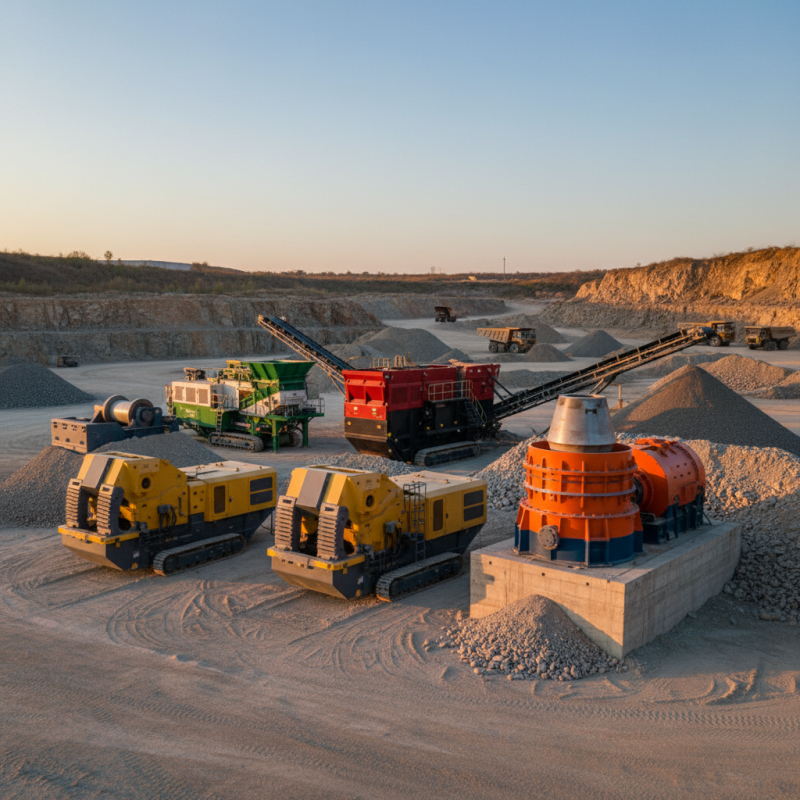
Crushing equipment plays a vital role in various industries. Different types serve specific purposes, and understanding these can enhance efficiency. The market for crushing equipment is projected to reach USD 4.6 billion by 2025, reflecting its importance.
Jaw crushers are popular for primary crushing. They efficiently break down large rocks into manageable sizes. Usually, they handle materials with compressive strengths of up to 320 MPa. However, they may struggle with extremely hard materials. A study showed that maintenance can impact productivity; machines require regular checks to avoid costly downtime.
Cone crushers excel in secondary crushing. They produce finer materials and are essential in aggregate production. Their ability to handle a range of materials makes them versatile. Yet, operators often overlook proper settings, leading to reduced performance. Impact crushers, on the other hand, are suitable for softer materials. They achieve high reduction ratios but may not be ideal for harder rocks. A report indicated that selecting the right equipment can improve productivity by 20% or more. Each type of crushing equipment has its strengths and weaknesses, making informed choices crucial.
Top 5 Crushing Equipment to Boost Your Productivity
| Equipment Type |
Description |
Applications |
Advantages |
| Jaw Crusher |
Used for primary crushing of hard rocks |
Mining, Construction, Recycling |
High efficiency, Robust design |
| Cone Crusher |
Ideal for secondary and tertiary crushing |
Aggregates, Metallurgy, Construction |
Better particle shape, Higher capacity |
| Impact Crusher |
For crushing softer materials with high speed impact |
Quarrying, Mining, Recycling |
Versatile, Low energy consumption |
| Hammer Mill |
Utilizes high-speed rotating hammers for grinding |
Feed processing, Wood processing, Mining |
Easy maintenance, Fine granulation |
| Roll Crusher |
Crushes materials between two rolls |
Coal, Salt, Clay, and other materials |
Uniform product size, Low maintenance |
Key Features to Consider When Choosing Crushing Equipment
When selecting crushing equipment, it's crucial to focus on key features that impact productivity. Consider the size and type of material your operation deals with. Equipment should easily handle your specific materials, whether they are rock, minerals, or recycled products. Look for machines that offer versatility in crushing different materials while maintaining efficiency.
Another important factor is the machine’s throughput capacity. Higher throughput means more productivity. Analyze the maximum output you anticipate needing. Take into account the average runtime and downtime for maintenance. Too much downtime could hinder your operations.
Tips for choosing the right crushing equipment include considering energy efficiency. Equipment that consumes less power can save operational costs. Also, think about ease of maintenance. Simple access to parts can reduce downtime significantly. Factor in the overall weight of the equipment, as heavier machines may require reinforced structures. Reflect on how all these features align with your unique production goals.
Top 5 Crushing Equipment Productivity Comparison
How Crushing Equipment Enhances Workflow and Productivity
Crushing equipment plays a vital role in enhancing workflow and productivity in various industries. These machines, designed to break down large materials, streamline operations significantly. For example, a well-implemented crushing tool can reduce the time required for material processing. This efficiency leads to faster project completion and lowers operational costs. However, improper usage can lead to bottlenecks. It's crucial to train operators effectively.
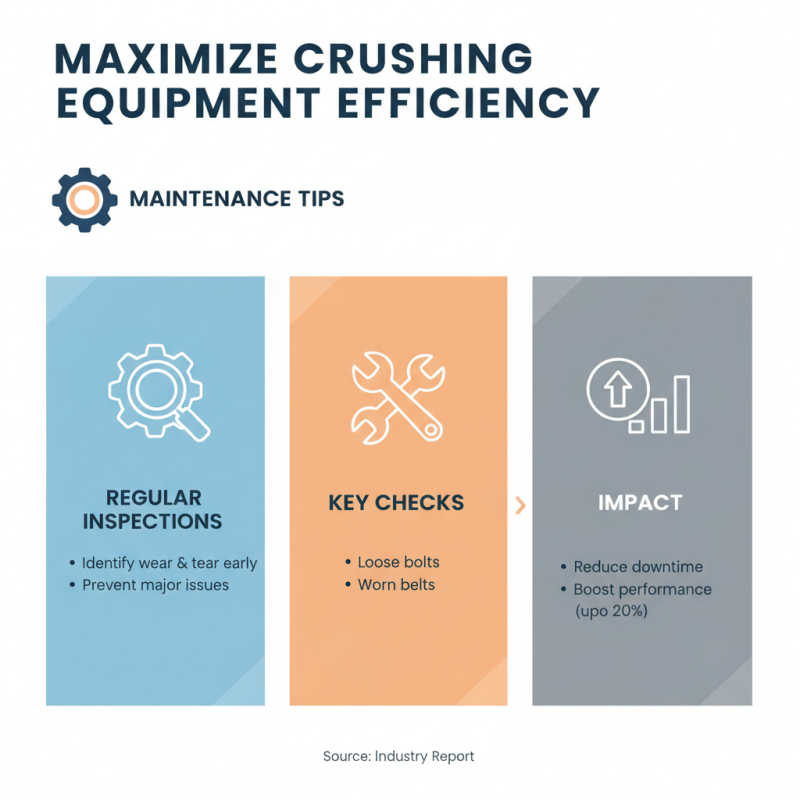
Regular maintenance is essential to keep crushing equipment running smoothly. A minor oversight can cause significant delays in production. On the other hand, a well-maintained machine ensures consistent output and reduces downtime. Workers often appreciate the ease of handling materials after they are crushed. It simplifies the loading and transport processes.
Additionally, crushing equipment contributes to a safer workplace. By reducing the size of materials, the risk of injuries decreases. Yet, it's important to remember that safety protocols must always be followed. Workers can sometimes overlook critical safety measures when focused on productivity. Balancing speed with safety is necessary for long-term success. These aspects highlight the need for ongoing training and vigilance in operations.
Comparative Analysis of Top Crushing Equipment Brands
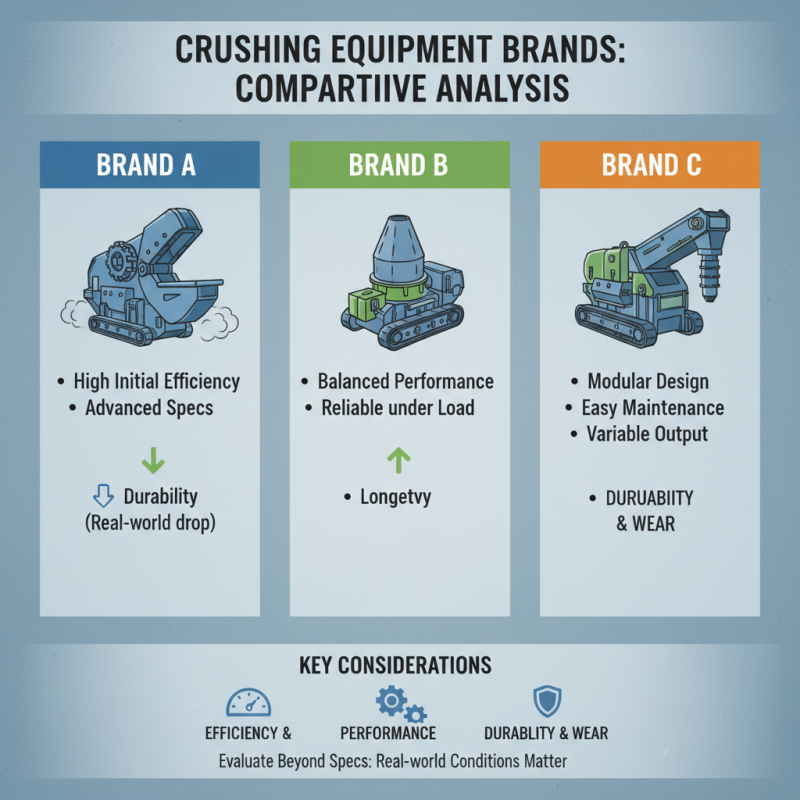
When evaluating crushing equipment, it’s essential to consider various factors. The efficiency of a machine impacts overall productivity. Some models may deliver impressive specifications but fail in real-world conditions. Performance can drop significantly when faced with daily wear and tear, which may not be evident upon first examination.
Durability is another crucial aspect. Equipment that excels in lab tests might not withstand tough job sites. Operators often discover issues only after prolonged use. It’s vital to research maintenance needs and potential downtime. Additionally, power consumption should not be overlooked. Energy efficiency can yield long-term savings.
User experiences provide deep insights. Some operators praise specific models for their reliability, while others cite frequent breakdowns. Each brand’s customer support can vary greatly, affecting the repair experience. One owner's positive feedback might not reflect another's struggles. Exploring reviews is essential for a well-rounded understanding. The journey to choosing the right crushing equipment requires thoughtful consideration and a willingness to learn from others.