What is an Automated Case Packer and How Does It Work?
In the fast-evolving world of packaging, the Automated Case Packer stands out. Industry expert Dr. Emily Carter, a leading authority in automation, once said, “Efficiency in packaging is the key to success.” This statement underscores the importance of automated systems like the Automated Case Packer in optimizing packaging processes.
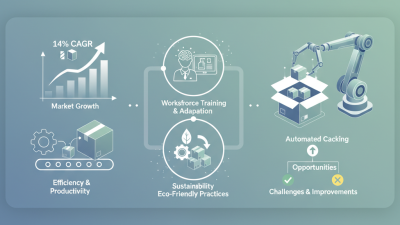
These machines streamline the packing of products into cases, reducing labor costs and errors. With advanced technology, they can adapt to different product sizes and shapes, making them suitable for various industries. However, the implementation can come with challenges like high upfront costs and the need for operator training.
Understanding how an Automated Case Packer works reveals its significance in modern manufacturing. It involves precise robotics and software that ensure accuracy and speed. Despite its benefits, businesses must consider whether the investment aligns with their operational goals. In an era where efficiency and speed are paramount, the Automated Case Packer offers a compelling solution for many organizations.
What is an Automated Case Packer?
Automated case packers are essential in modern manufacturing. These machines streamline the packing process, reducing labor costs and error rates. According to a market report by Smithers Pira, the global packaging machinery market is projected to grow to $50 billion by 2024. This increase is largely driven by automation solutions like case packers.
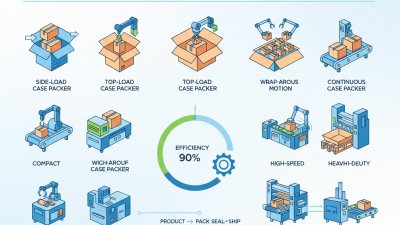
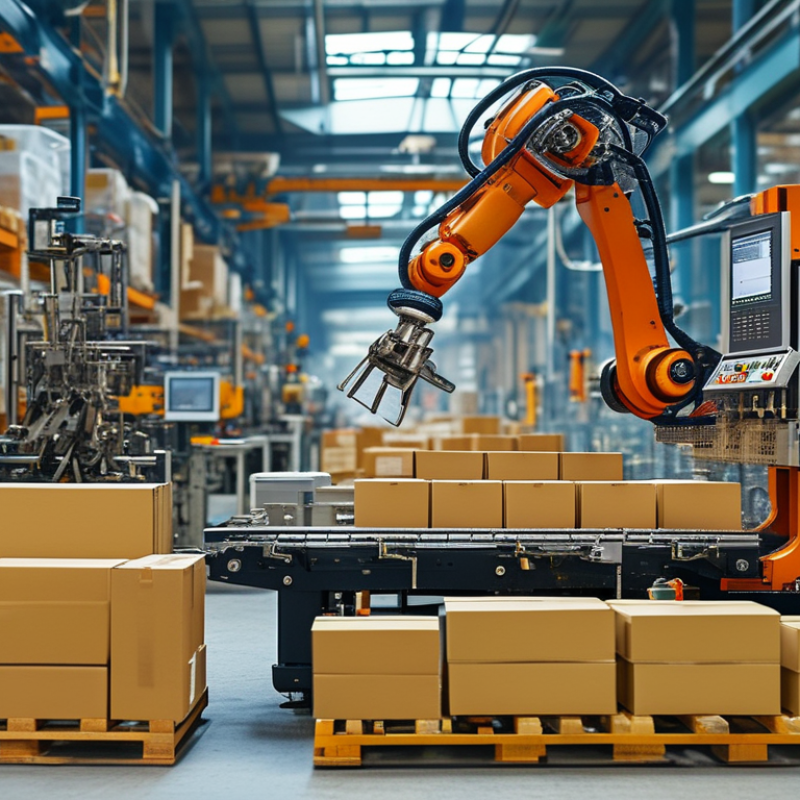
A typical automated case packer operates by receiving products from a conveyor system. It then assembles these items into configured cases. Some machines use robotic arms for flexible packing configurations. This automation can enhance speed, which can reach up to 200 cases per minute, depending on the model. The reliability of these systems has improved significantly, yet there are still challenges. For instance, technological hiccups can lead to production downtime.
Many manufacturers face the dilemma of balancing initial investment and long-term gains. The upfront costs of these machines can be substantial. However, the potential for increased efficiency is hard to ignore. A study by the Association for Packaging and Processing Technologies highlights that proper automation can improve operational efficiency by up to 25%. This insight encourages many companies to reconsider their packing strategies.
Key Components of an Automated Case Packer
An automated case packer is an advanced machine designed to streamline the packaging process in various industries. Understanding its key components can provide insights into how these systems operate.
One vital element is the conveyor system. This allows items to flow smoothly toward the packing area. It's crucial for efficiency and speed. If the conveyor gets jammed, it can halt production. Maintenance is essential here. Regular checks can prevent most issues.
Another important component is the robotic arm. It picks up products and places them into the cases. Precision is vital for this technology. However, programming mistakes can lead to misaligned packages. Testing of the robotic system should happen frequently to avoid potential bottlenecks.
Integrating an automated case packer can significantly enhance productivity. However, training staff is often overlooked. Employees must understand its operation. They should know how to troubleshoot basic problems. Without this knowledge, even the best machines can become a source of frustration.
How Automated Case Packers Work: A Step-by-Step Process
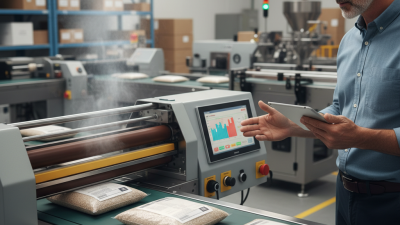
Automated case packers streamline the packaging process in various industries. Their main function is to efficiently package products into shipping cases. The process begins with product feeding. Products arrive on conveyor belts, ready for packing. Sensors identify the items and ensure the correct size and quantity for each case.
Once items are detected, the automated packer organizes them into predetermined patterns. This arrangement is crucial for maintaining efficiency during transport. The machine uses robotics to lift and precisely place items in the case. Reports indicate that automating this process can improve packaging speed by 50-60%.
After packing, cases are sealed and labeled automatically. Quality checks are implemented at each stage. This ensures that the correct items are in every package. Some challenges include the need for regular maintenance. Occasionally, equipment can misalign or jam, leading to downtime. Continuous monitoring helps address these issues promptly, maintaining the flow of production.
Benefits of Using Automated Case Packers in Industries
Automated case packers play a vital role in modern industries. These machines streamline packaging processes, enhancing efficiency. They can load products into cases quickly, minimizing human error. This allows companies to increase their output while maintaining product integrity.
One major benefit of using automated case packers is their consistency. High-speed operations ensure uniform packing, reducing waste. This approach often leads to cost savings in labor and materials. Automated systems can also adapt easily to various product shapes and sizes, improving flexibility.
Tips for maximizing your automated case packing system include regular maintenance checks. This helps prevent unexpected breakdowns, enhancing reliability. Additionally, training your staff on machine operation can ensure better output quality. Remember, even automated systems require human insight for optimal performance. Evaluate your current processes periodically to identify areas for improvement. Keep an eye on performance metrics to drive continuous enhancements.
Applications of Automated Case Packers in Different Sectors
Automated case packers are transforming various sectors through their efficiency and precision. In the food and beverage industry, for instance, these machines allow for faster packaging of products, which is crucial given that the market is projected to reach $17 billion by 2026. This growth is driven by the increasing demand for packaged goods. The speed of automated packing systems can significantly reduce labor costs and increase throughput. However, these systems require a significant initial investment, which can be a barrier for some smaller manufacturers.
In the pharmaceutical sector, automated case packers enhance safety and compliance. They ensure that products are packaged accurately, minimizing human error. Reports indicate that 10% of medications are incorrectly packaged due to manual processes. By using automated systems, companies can guarantee that their products meet regulatory standards consistently. Yet, relying on technology comes with risks. If a machine malfunctions, it can halt production and lead to costly delays.
The e-commerce industry is also leveraging automated case packers to manage increasing order volumes. Analysts projected that e-commerce sales would surpass $6 trillion globally by 2024. Automated systems can handle various box sizes and configurations, adapting to consumer needs flexibly. Still, adapting to such technologies demands workforce retraining. As companies integrate automation, they must consider the balance between human and machine roles in the supply chain.
What is an Automated Case Packer and How Does It Work? - Applications of Automated Case Packers in Different Sectors
| Sector |
Application |
Efficiency Improvement (%) |
Common Products Packaged |
| Food and Beverage |
Packaging bottles and cans |
30% |
Juices, Soft Drinks, Beer |
| Pharmaceuticals |
Packing of medication |
20% |
Tablets, Bottles |
| Cosmetics |
Packing beauty products |
25% |
Creams, Perfumes |
| Consumer Goods |
Boxing and carton packaging |
15% |
Detergents, Snacks |
| Electronics |
Packaging of electronic components |
18% |
Mobile Phones, Tablets |