2026 Top Crushing Equipment Innovations and Trends to Watch Out For?
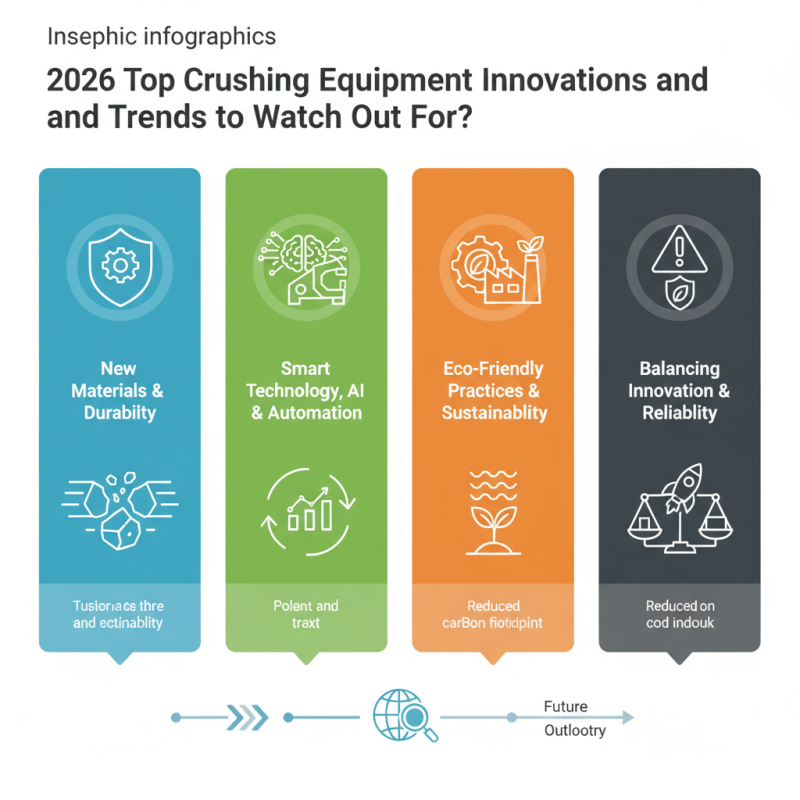
As the construction and mining sectors evolve, so do the innovations in Crushing Equipment. In 2026, we anticipate exciting advancements in technology that will shape this industry. New materials promise increased durability. Smart technology is making machines more efficient. These trends aim to optimize productivity and lower operational costs.
Crushing Equipment is becoming more versatile. Manufacturers are integrating AI and automation. This enhances precision in crushing processes. Moreover, eco-friendly practices are gaining traction. Companies are looking for sustainable solutions to reduce their carbon footprint. These advancements reflect a shift towards a greener future.
However, challenges remain. The rapid pace of innovation often leads to untested technologies being introduced too early. There is a risk of overlooking critical safety features in pursuit of efficiency. Industry players must balance innovation with reliability. Staying updated on these trends is essential for businesses in the sector. Understanding the nuances of Crushing Equipment innovations will be key to thriving in the coming years.
Emerging Technologies in Crushing Equipment for 2026
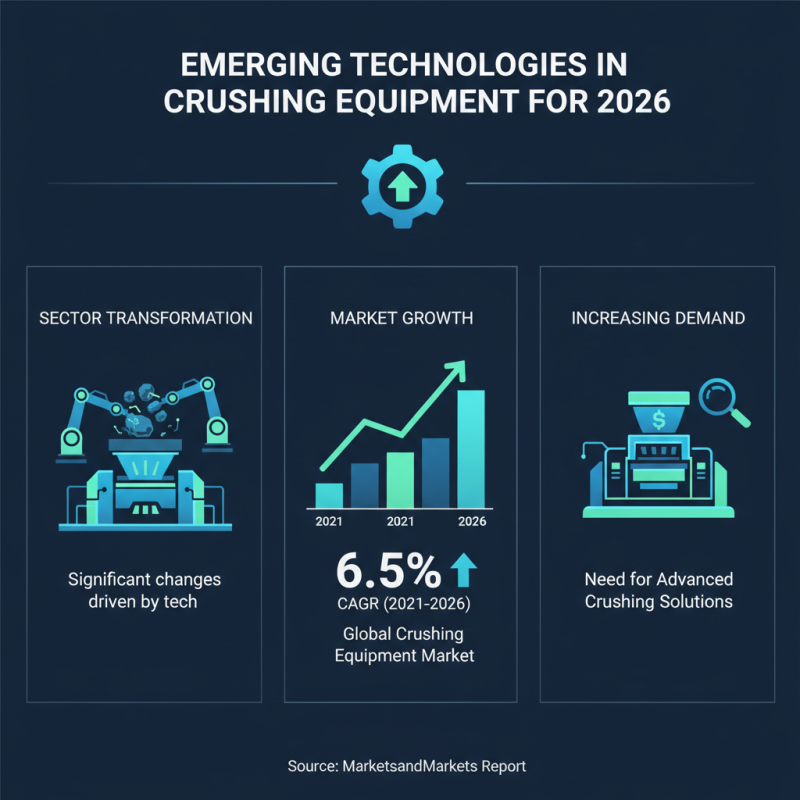
The crushing equipment sector is poised for significant transformations in 2026, driven by emerging technologies. A report from MarketsandMarkets highlights that the global crushing equipment market is expected to grow at a CAGR of 6.5% from 2021 to 2026. This trend suggests an increasing demand for advanced crushing solutions.
Automation will play a critical role in the evolution of crushing equipment. New systems will allow for remote monitoring and operation, improving efficiency and safety. According to a study by ResearchAndMarkets, automated crushing systems can reduce operational costs by up to 15%. These innovations can streamline workflows, but their integration poses challenges for existing labor forces.
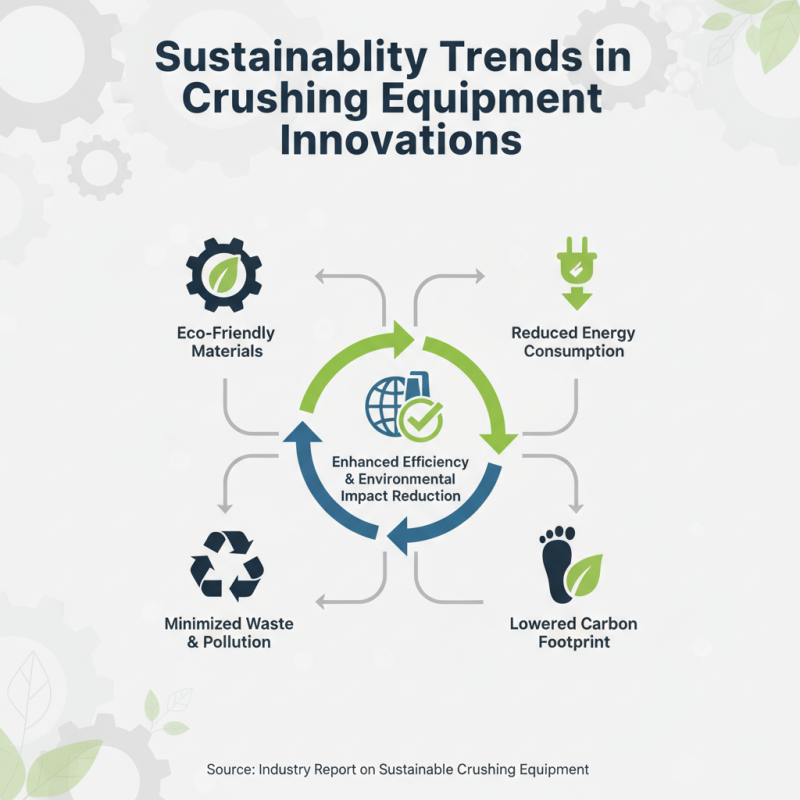
Sustainability remains a significant concern. Companies are developing eco-friendly crushing options that minimize energy use and waste. Aiming for carbon neutrality, many manufacturers are exploring hybrid and electric models. However, the shift to sustainable practices requires substantial investment and time. The industry must navigate these hurdles to align with environmental goals while meeting market demands.
Advancements in Automation and Smart Crushing Solutions
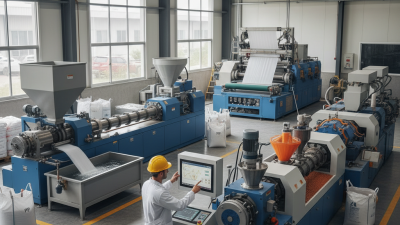
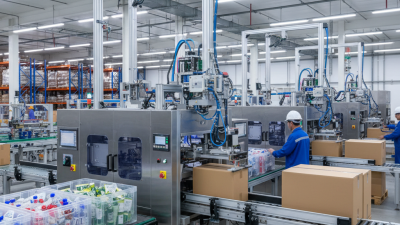
The crushing equipment industry is witnessing rapid advancements in automation and smart solutions. These technologies are transforming traditional processes, increasing efficiency, and optimizing workflows. Automated systems can analyze real-time data to adjust settings. This flexibility significantly enhances productivity while reducing operational costs.
Smart crushing solutions integrate the Internet of Things (IoT) for better monitoring. Sensors can predict maintenance needs, minimizing downtime. However, adaptation to these technologies can be challenging for some operators. They may face a learning curve or resistance to change. Balancing innovation with established practices is crucial for success.
In the pursuit of efficiency, companies must also address potential biases in automated decision-making. Relying solely on technology might overlook unique site-specific factors. An effective blend of human expertise and smart systems is essential for maximizing performance in crushing operations.
2026 Top Crushing Equipment Innovations and Trends
Key Players Driving the Future of Crushing Equipment Market
The crushing equipment market is evolving significantly. Key players are focusing on innovative designs and enhanced technology. These advancements help meet the growing demand for efficiency and sustainability. Companies are investing in research and development. They aim to create equipment that reduces energy consumption and increases productivity.
Market leaders are embracing automation and artificial intelligence. These technologies improve operational efficiency and reduce downtime. Some manufacturers also explore hybrid solutions. These approaches combine different methods for better results. However, this transition can be challenging. Many companies still grapple with the high costs of new technologies.
Collaboration within the industry is becoming crucial. Partnerships often lead to shared resources and knowledge. It not only fosters innovation but also enhances competitiveness. Companies must adapt quickly to changing market demands. Embracing sustainability is no longer optional; it’s essential. Without a clear strategy, firms risk falling behind. The future of crushing equipment lies in continuous evolution and responsiveness.
Impact of Industry 4.0 on Crushing Equipment Development
The rise of Industry 4.0 is reshaping the landscape of crushing equipment development. Advanced technologies like IoT, AI, and machine learning are driving innovation. These technologies allow for real-time monitoring and improved efficiency. Data analytics can help predict failures before they occur. This predictive maintenance reduces downtime and enhances productivity.
Tips: Invest in training your team. Understanding these technologies is crucial. Regular workshops can increase familiarity.
Automation is another key trend in crushing equipment. Machines that can adjust settings automatically improve efficiency. Enhanced automation leads to better precision in crushing processes. However, this shift demands skilled personnel to manage complex systems. Not all companies are ready for this transformation, which can create a gap in operations.
Tips: Evaluate your current capabilities before adopting new technologies. It is essential to have a plan for integration. Incremental changes can reduce risks.
Despite the exciting advancements, challenges remain. Cybersecurity threats are rising as equipment becomes more interconnected. Ensuring data safety is vital for maintaining operational integrity. Companies must prioritize security measures as they embrace new technologies.
2026 Top Crushing Equipment Innovations and Trends to Watch Out For
| Innovation/Trend |
Description |
Impact on Industry 4.0 |
Projected Adoption Year |
| AI-Driven Automation |
Utilizing AI for predictive maintenance and operational efficiency. |
Enhances decision-making processes through data analysis. |
2025 |
| IoT Integration |
Connecting equipment to monitor performance in real-time. |
Facilitates remote monitoring and control of equipment. |
2026 |
| Electric and Hybrid Crushers |
Developing power-efficient crushing equipment to reduce environmental impact. |
Aligns with sustainability goals and regulations. |
2025 |
| Advanced Wearable Technology |
Implementing wearable devices for operator safety and efficiency. |
Enhances worker safety and productivity through real-time data. |
2026 |
| Data Analytics Platforms |
Utilizing big data to optimize crushing processes and minimize downtime. |
Promotes operational excellence through data utilization. |
2024 |