Top 10 Automatic Case Packer Solutions for Efficient Packaging?
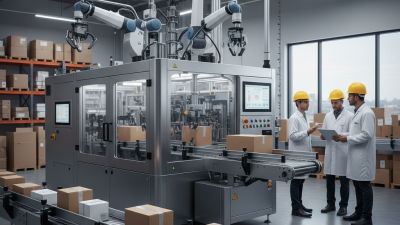
The demand for efficient packaging solutions has led to the rise of Automatic Case Packers. These machines streamline the packing process by automating tasks that were once hand-operated. According to the recent industry report by MarketsandMarkets, the automatic packing machinery market is projected to reach USD 7.3 billion by 2025, growing at a CAGR of 6.2%.
Automatic Case Packers significantly enhance operational efficiency. A recent study found that incorporating automated systems can reduce labor costs by up to 35%. However, it is crucial to recognize that not all solutions fit every manufacturing environment. Each setup requires careful evaluation to ensure compatibility with existing workflows.
Challenges, such as mechanical breakdowns or misalignment in packaging, can disrupt operations. Industry experts stress the importance of selecting reliable machinery and proper training for operators. As technology evolves, organizations must continuously adapt to maximize the benefits of Automatic Case Packers, ensuring they meet both current and future packaging demands.
Overview of Automatic Case Packer Technology
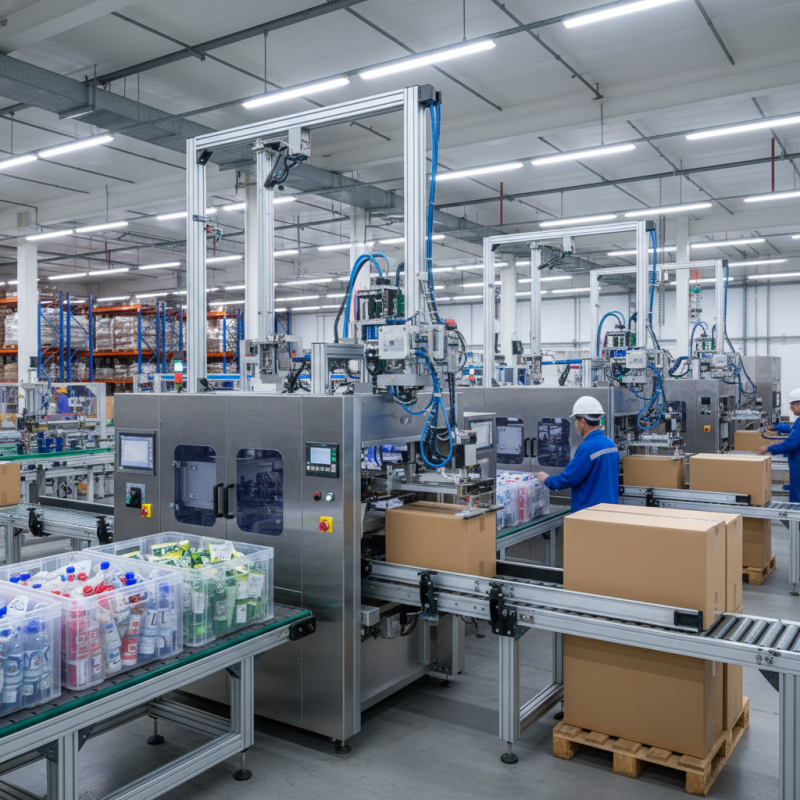
Automatic case packers have revolutionized the packaging industry. They combine efficiency with speed, helping manufacturers meet high demand. Recent industry reports indicate that the global automatic case packer market is projected to grow at a compound annual growth rate (CAGR) of 7% from 2021 to 2026. This highlights the increasing reliance on automation in production lines.
These machines offer flexibility in packaging various sizes and types of products. With the capability to handle anything from cardboard cases to shrink-wrapped items, they adapt to changing market needs. According to a study by PMMI, 68% of manufacturers have reported improved production rates after implementing automatic case packing solutions. However, challenges remain. Integrating these systems with existing workflows can disrupt processes. Manufacturers should weigh costs and seek training for staff to ensure seamless operation.
Additionally, not all machines fit every facility. Space constraints and production requirements can complicate the choice. Each solution must be tailored to specific needs. While automation enhances efficiency, it also demands thoughtful implementation. The balance of productivity and labor complexity is crucial for long-term success.
Key Features of Effective Automatic Case Packers
When seeking efficient packaging solutions, automatic case packers stand out. They streamline the packing process and save time. Key features can greatly enhance their effectiveness.
First, speed is vital. A reliable case packer should handle various products swiftly. Look for models with adjustable speed settings. This flexibility allows for changes as production needs evolve. Additionally, compatibility with different case sizes matters. Some machines struggle with odd-shaped items. A versatile case packer can manage diverse products with ease.
Here’s a tip: Pay attention to maintenance requirements. A machine that’s hard to clean can lead to downtime. Simple designs often allow for easier access. Regular maintenance checks can prevent unexpected breakdowns.
Another important feature is automation. An automatic case packer should be able to integrate with existing production lines. Failure to do so may complicate the workflow. Efficient design minimizes the need for manual intervention. This reduces labor costs and improves consistency in packaging.
Ultimately, effective automatic case packers should enhance both speed and reliability. As industries continue to evolve, investing in the right equipment becomes essential. Choose wisely for the best results.
Top Brands and Models in the Automatic Case Packer Market
The automatic case packer market offers a variety of solutions designed for efficiency. Numerous brands provide models that cater to different industry needs. Each automatic case packer has unique features that enhance productivity and reduce labor costs. Some machines are ideal for small businesses, while others suit large-scale operations.
Tips for choosing the right model include assessing your packaging volume and product type. Higher volumes often demand robust equipment capable of quick adjustments. Pay attention to compatibility. Not all packers work seamlessly with every product. It’s essential to find a model that accommodates your specific packaging requirements.
Not every machine will fit perfectly into your operations. Evaluate real-world results instead of focusing solely on specifications. Maintenance can sometimes be overlooked, yet it’s crucial for long-term performance. Consider user reviews and feedback. Also, ponder the flexibility of your choice.
- Will your business grow?
- Will this machine adapt to changing demands?
Such reflections are vital during selection.
Criteria for Choosing the Right Case Packer for Your Business
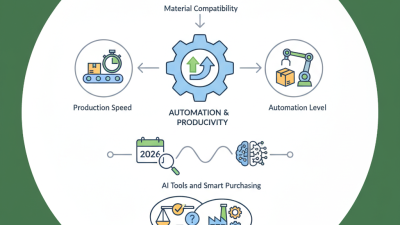
When selecting an automatic case packer, consider operational efficiency. Look for machines that can adapt to various product sizes. Flexibility is essential. Production speed also matters. You need packaging that matches your output demand.
Tips: Evaluate the speed in packs per minute. A fast case packer helps meet tight deadlines. But don't overlook reliability. Consistent performance often outweighs mere speed.
Next, think about the machine's build quality. Durable materials lead to fewer breakdowns and lower maintenance costs. However, some manufacturers may focus too much on features. Don't just chase the latest models; assess their actual benefits.
Tips: Prioritize user-friendly interfaces. Staff efficiency is crucial. Machines that are easy to operate reduce training time. Ultimately, the right case packer should boost your packaging line's productivity while ensuring quality control.
Future Trends in Automatic Case Packing Systems
The landscape of automatic case packing is evolving rapidly. As industries seek efficiency,
automation technology plays a crucial role. Recent studies indicate that the market for automated packing systems is expected to grow
by 5.5% annually through 2027. This growth points to an increasing reliance on automated solutions.
Several trends are shaping the future. Robotics integration is at the forefront. Many companies
now use robotic arms for high-speed packing. This reduces labor costs and enhances precision. However, companies often struggle with
the initial investment. It's a crucial decision: invest in automation or maintain manual processes? The implications are significant.
Another emerging trend is the use of artificial intelligence. AI can optimize packing patterns
and predict maintenance needs. A report revealed that AI can decrease downtime by up to 20%.
Despite these benefits, the technology can be complex. Not every facility is ready for this shift. Transitioning to AI requires a
rethink of existing protocols and training for staff. Balancing innovation with practicality remains a challenge.