10 Essential Tips for Choosing the Best Automatic Dust Collector
Choosing the right Automatic Dust Collector can significantly impact your workspace and overall efficiency. A recent industry report shows that effective dust management systems can reduce airborne particulates by up to 90%. This is crucial for maintaining a clean and safe environment in manufacturing and woodworking industries.
The demand for Automatic Dust Collectors is rising. Data indicates that the global market for these systems is projected to reach $7 billion by 2027. However, selecting the best system requires careful consideration. Many buyers overlook essential features that enhance performance and maintenance. Factors like filter efficiency, noise levels, and energy consumption should not be ignored.
Investing in an Automatic Dust Collector is not just about compliance; it's about achieving operational excellence. As more businesses prioritize sustainability, choosing the right equipment plays a vital role in overall productivity. But buyers must reflect on their specific needs to avoid common pitfalls in their selection process.
Understanding the Basics of Automatic Dust Collectors
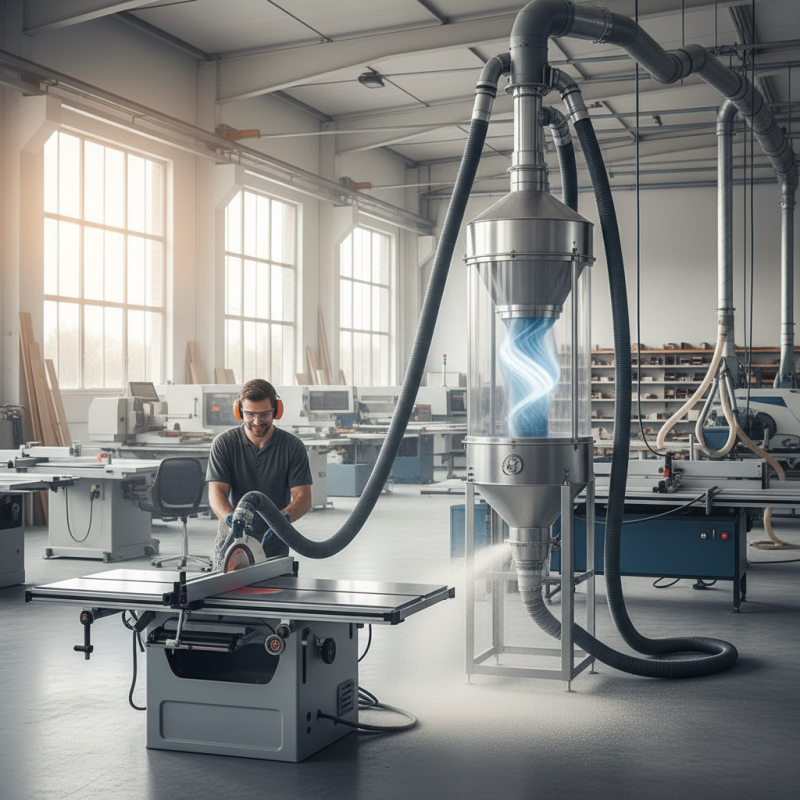
Automatic dust collectors play a crucial role in maintaining clean air quality in industrial settings. Poor air quality can lead to serious health issues for workers. According to the Environmental Protection Agency, indoor air can be two to five times more polluted than outdoor air. Choosing the right collector is essential for reducing airborne dust and harmful particles.
When selecting an automatic dust collector, consider airflow requirements. The right airflow ensures efficient dust capture. A study shows that a collector needs to have a minimum airflow of 1,000 CFM (cubic feet per minute) for effective performance. Another key factor is filter type. High-efficiency particulate air (HEPA) filters capture 99.97% of particles as small as 0.3 microns. In contrast, lesser filters may not provide adequate protection.
You should also evaluate the size and compatibility of the dust collector with your existing equipment. A mismatch can lead to inefficiencies. Some collectors may also require regular maintenance, affecting operational costs. It’s important to read reviews and industry reports. They often reveal insights about a collector’s long-term performance. Misalignment between expectations and reality can lead to frustration. Thoughtful choices in this process are crucial for optimal results.
Evaluating Your Space and Dust Collection Needs
When selecting an automatic dust collector, start by evaluating your workspace. Consider the size of the area. A larger workshop may need a more powerful unit. Dust collection needs also depend on the type of work. For woodworking, a system that captures fine particles is essential. Assess the machines you use frequently. Different tools produce varying dust sizes.
Another factor to think about is the layout of your space. If your workshop has multiple areas, a mobile unit might be a better fit. Flexibility can be a major benefit. A stationary system may take up valuable floor space, limiting mobility. You might face challenges routing ductwork in tight spots. Clearly identifying your priorities will help avoid these issues.
Remember, dust collection systems require maintenance. Determine if you have the time for regular cleaning. Filters also need changing, which may incur extra costs. Dedicating thought to your unique situation can save headaches later. It’s about finding a balance between efficiency and practicality.
Key Features to Look for in an Automatic Dust Collector
When selecting an automatic dust collector, certain features can greatly impact its efficiency. Look for high suction power. This ensures that dust and debris are effectively removed from your workspace. Check the filtration system as well. A multi-layer filter can trap smaller particles, improving air quality. An LED indicator can signal when the filter needs cleaning.
Consider the noise level of the machine. Some dust collectors operate quietly, while others may be quite loud. You might want a model that balances performance with noise reduction. Ease of maintenance is another vital aspect. Look for models with easy-to-access filter compartments and simple cleaning processes. Automatic shutdown features can save energy, reducing your utility bills over time.
Don't overlook the size and portability of the unit. A compact design can fit into small workspaces, while wheels enhance mobility. Investing too much in features you don't need can waste resources. Be critical about your requirements. Can the collector handle the type of dust you generate? Reflecting on these details will guide you to make a better choice.
10 Essential Tips for Choosing the Best Automatic Dust Collector
This bar chart illustrates the key features to consider when choosing an automatic dust collector. The metrics displayed include airflow capacity, filter efficiency, hopper size, noise level, power consumption, dimensions, maintenance frequency, price, warranty, and brand reputation. These ratings help in evaluating different models effectively.
Assessing the Efficiency and Airflow Capacity of Dust Collectors
When selecting an automatic dust collector, evaluating its efficiency and airflow capacity is crucial. High-efficiency filters can trap even the smallest particles. A low-efficiency unit may let harmful dust escape. It's essential to analyze the filter ratings. Look for features that prevent clogs and ensure consistent performance.
Airflow capacity is another key factor. It indicates how much air the collector can handle. If the airflow is too low, dust will accumulate. This can affect air quality and worker health. Regular measurements can help in assessing performance over time. Monitor airflow rates and adjust settings as needed.
Many users overlook these factors. They focus more on price and appearance. However, a beautiful unit might fail in performance. It's a fine balance. Efficiency and airflow should guide your choice. Consider both elements carefully, and you may avoid costly mistakes later.
Maintenance and Support Considerations for Long-term Use
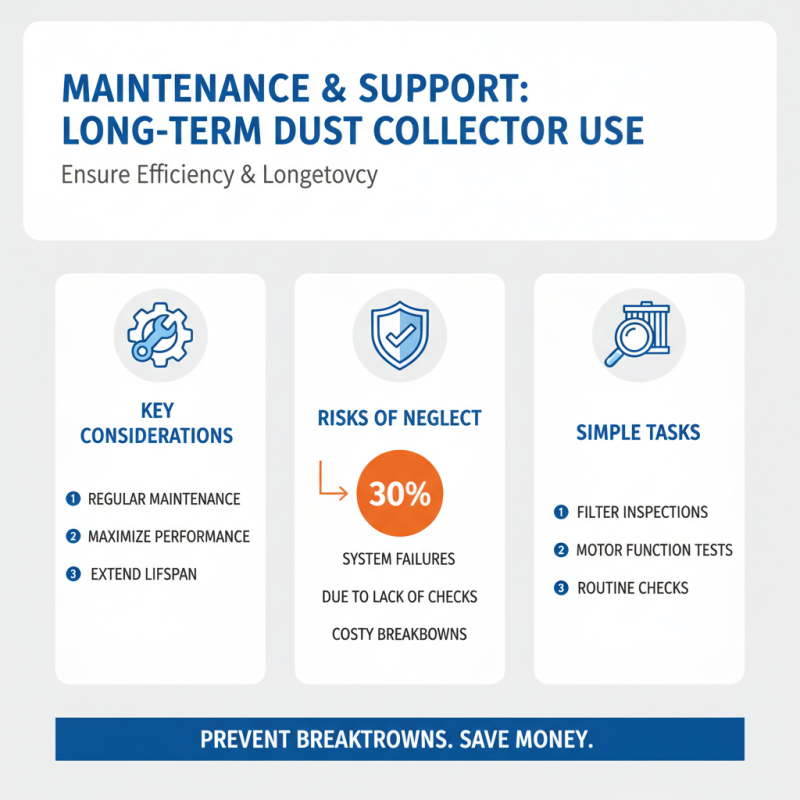
When selecting an automatic dust collector, maintenance and support are critical for ensuring long-term efficiency. Regular maintenance is needed to maximize performance and lifespan. According to industry reports, around 30% of dust collection systems fail due to neglect of routine checks. Simple tasks, like filter inspections and motor function tests, can prevent costly breakdowns.
Training staff on proper use is essential too. Many users overlook the importance of education. A knowledgeable team can troubleshoot minor issues, reducing downtime. Statistics show that facilities with trained operators have a 40% lower failure rate in dust collection systems. Support from manufacturers can add value. An ideal system offers readily available replacement parts and service options.
However, not every company provides adequate support. Investigate responses to service inquiries. Slow responses may indicate future issues. Additionally, assess the warranty terms and coverage specifics. It is essential to know what is included and what may lead to additional costs. A good warranty can save significant expenses, preventing unexpected financial strain on operations.