How to Choose the Right Extrusion Equipment for Your Business Needs?
Choosing the right extrusion equipment for your business is crucial. This decision impacts efficiency and product quality. Various types of extrusion equipment are available. Each has unique features and benefits, which can meet different production needs.
Consider the materials you will use. Different machines handle various plastics and composites. For instance, thermoplastic extrusion equipment differs from that used for thermosetting plastics. Additionally, budget constraints may limit options. You may need to balance cost and performance.
Don't forget the future of your business. A machine that suits today’s needs might not work in a few years. Growth in production volume or product variety can change your requirements. Take time to assess all factors. The right choice can make a significant difference, while a hasty decision may lead to regrets.
Understanding the Basics of Extrusion Equipment and Its Applications
Extrusion equipment plays a vital role in various industries. It transforms raw materials into specific shapes by forcing them through a die. This process is commonly used in manufacturing plastics, food products, and metal components. According to a report by Grand View Research, the global extrusion market is projected to reach $24.4 billion by 2025. This growth reflects the increasing demand for extruded products in multiple sectors.
Choosing the right extrusion equipment requires understanding specific applications. For instance, in the food industry, precision is crucial for consistent product quality. In contrast, the construction industry often prioritizes durability and strength. Each application can have unique needs that standard models may not meet. A recent survey found that 70% of manufacturers reported challenges in selecting suitable extrusion machinery. This highlights the importance of proper research and fitting technology to business goals.
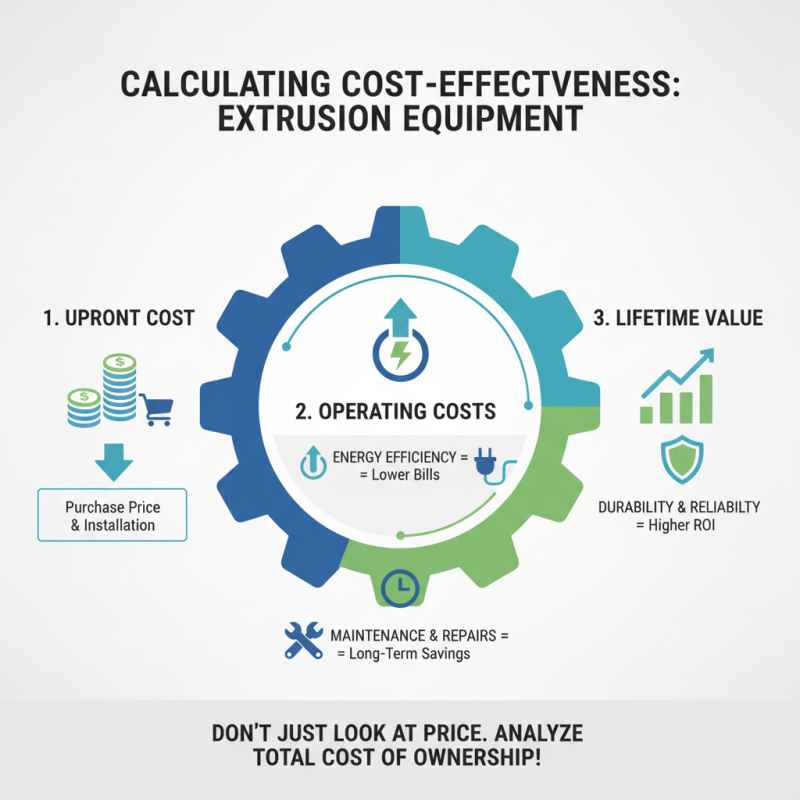
It's also essential to consider energy efficiency in extrusion processes. Inefficient machines can drive up operational costs significantly. According to analysis by the Plastic Industry Association, advancements in technology could reduce energy consumption by up to 30%. However, weighing these factors against initial investment costs is often challenging, and many companies must reassess their long-term strategies to find balance.
Identifying Your Production Requirements and Business Goals
Identifying production requirements is crucial for selecting extrusion equipment. Start by analyzing your product specifications. Consider the dimensions, shapes, and materials you'll use. According to industry reports, businesses typically spend around 20% of their operational budget on machinery. This emphasizes the need for precise equipment choices.
Next, assess your production volume and frequency. Data shows that 70% of manufacturers struggle with scalability due to mismatched equipment. If you anticipate growth, opt for flexible extrusion machines. They can adapt to varying needs. A common pitfall is overestimating or underestimating capacity. It's essential to align your goals with actual production demands.
Finally, don't overlook the role of efficiency. Many businesses waste energy with outdated equipment. Research indicates that newer models can reduce energy consumption by 30%. Evaluate your long-term operational costs vs. initial investments. In making your decision, reflect on how well your choices match your business vision. It's a balancing act that requires careful thought.
Evaluating Different Types of Extrusion Equipment Available
Choosing the right extrusion equipment is crucial for your business. There are various types available, each with specific functions. It’s important to evaluate them based on your production needs, budget, and product types. For example, single-screw extruders are often efficient for thermoplastics. However, they may not suit all materials. Multi-screw extruders, while more versatile, come with higher costs.
Tips: Consider the material you plan to extrude. Some extruders handle multiple materials, while others are specialized. Researching the compatibility of materials with different equipment is key. Pay attention to the energy consumption of each type, as this affects long-term operational costs.
You might face challenges understanding technical specifications. That’s okay; extruders can be complex. Take the time to consult with experts or attend webinars. This can help clarify your options. Additionally, think about the maintenance requirements of each extruder. A high-maintenance machine may lead to downtime, impacting production. Consider these factors carefully to make an informed decision.
Types of Extrusion Equipment and Their Applications
This chart showcases the different types of extrusion equipment and their respective applications within various businesses. The data reflects the number of businesses utilizing each type of extrusion equipment, illustrating the market preferences in the extrusion industry.
Seeking Expert Advice: Choosing Vendors and Technical Support
When selecting extrusion equipment, expert advice is invaluable. Start by identifying your specific needs. Discuss your requirements with potential vendors. They should understand your industry and application. Ask about their experience with similar projects. A knowledgeable vendor can guide you through the choices.
Technical support is crucial for long-term success. Look for vendors who offer robust support options. This includes training for your staff. Immediate assistance during equipment issues can save you time and money. Some vendors may promise more than they deliver. Take the time to read reviews and seek testimonials from other users. Uncover any hidden challenges.
Consider the importance of ongoing communication. A good vendor should be approachable and responsive. Regular check-ins are beneficial. Don’t hesitate to ask questions. If a vendor avoids queries, that might raise a red flag. Evaluate their commitment to your success, and be prepared for the fact that not all interactions will be perfect. Always be reflective on how vendor relationships impact your operations.
How to Choose the Right Extrusion Equipment for Your Business Needs? - Seeking Expert Advice: Choosing Vendors and Technical Support
| Criteria |
Importance Level |
Examples |
Vendor Consideration |
Technical Support |
| Material Compatibility |
High |
PVC, ABS, PE |
Reputation in Material Handling |
Availability of Manuals |
| Production Capacity |
Medium |
50 kg/hr, 100 kg/hr |
Experience with Similar Capacity |
24/7 Availability |
| Energy Efficiency |
High |
Energy-saving models |
Support for Energy Audits |
Training on Optimization |
| Ease of Use |
Medium |
User-friendly interface |
User Reviews |
On-site Training |
| After-sales Service |
High |
Warranty Terms |
Customer Service Ratings |
Technical Response Time |