Why is Packaging Equipment Essential for Modern Manufacturing Success?
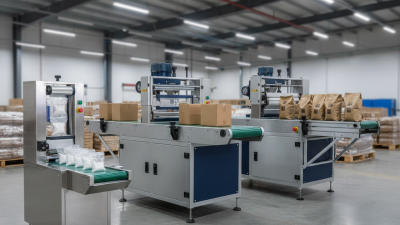
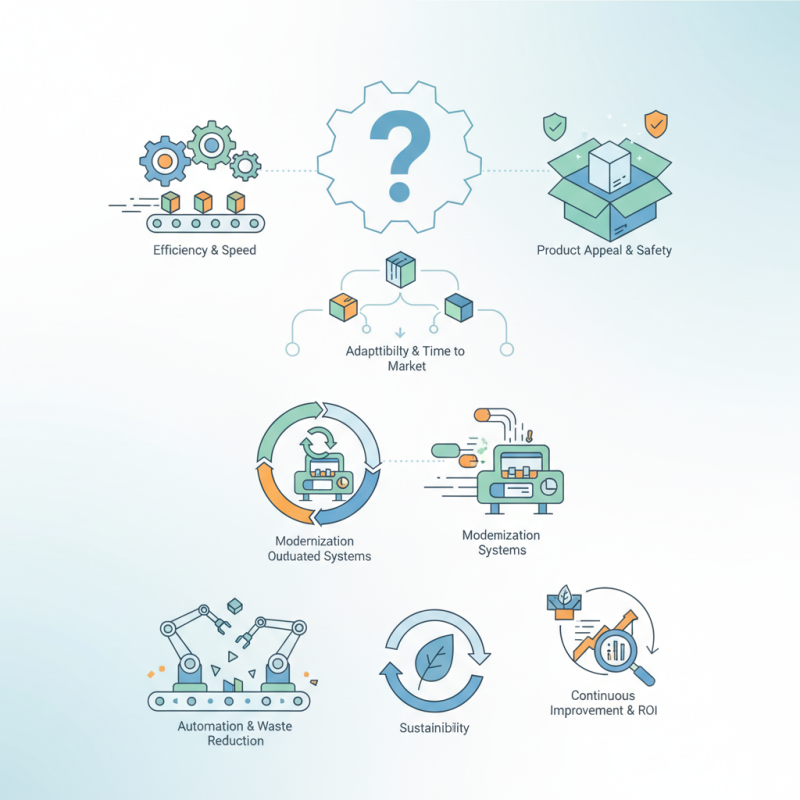
In today's fast-paced manufacturing landscape, Packaging Equipment is more than just a tool. It represents a critical element for the success of any production line. Companies face increasing pressure to enhance efficiency. High-quality packaging can improve product appeal while ensuring safety and compliance with regulations.
Manufacturers must be agile. The right packaging solutions can drastically reduce time to market. They facilitate the swift adaptation to consumer demands and market trends. This adaptability is essential for staying competitive. Yet, not all businesses recognize the importance of investing in state-of-the-art machinery. Some still rely on outdated systems, risking inefficiency and higher costs.
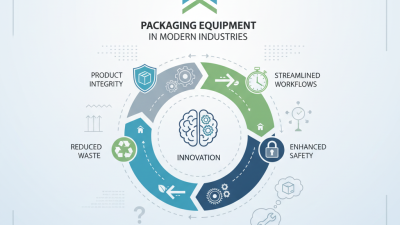
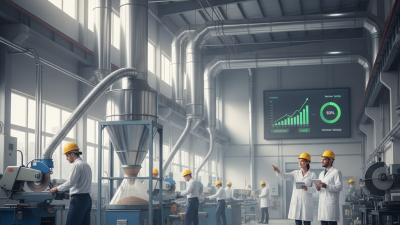
The integration of modern Packaging Equipment can streamline processes. Automation and precision in packaging minimize errors and waste. These advancements also contribute to sustainability goals. However, it is crucial to regularly reassess equipment and processes. Continuous improvement is key to maximizing returns on investment and achieving long-term success.
Importance of Packaging Equipment in Manufacturing Industry
In the manufacturing industry, packaging equipment plays a critical role in ensuring efficiency and product integrity. According to a recent report by Smithers Pira, the global packaging machinery market is projected to reach $45 billion by 2027. This growth highlights the increasing reliance on sophisticated packaging solutions to meet consumer demands and regulatory standards.
Effective packaging machinery not only reduces labor costs but also enhances product protection. Data from Freedonia Group indicates that the demand for packaging equipment will rise by 3.1% annually through 2023. This underscores the importance of investing in reliable packaging technology. However, many manufacturers may overlook the need for regular upgrades, leading to inefficiencies. Consequently, outdated equipment can result in higher operational costs and increased waste.
The design and functionality of packaging equipment directly impact the supply chain. As industries shift toward sustainability, the challenge is to balance eco-friendliness with efficiency. A 2022 report from Statista revealed that 43% of consumers prioritize sustainable packaging. This trend compels manufacturers to rethink their packaging strategies. Failure to adapt could lead to lost market share. Businesses must remain aware of evolving packaging trends and technologies to thrive in a competitive landscape.
Importance of Packaging Equipment in Modern Manufacturing
Key Functions of Packaging Equipment in Production Processes
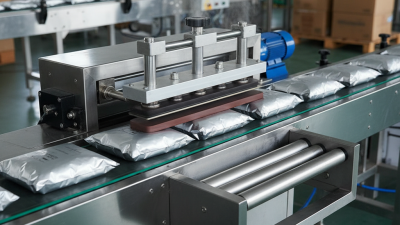
Packaging equipment plays a crucial role in modern manufacturing. It streamlines processes, ensuring efficiency and consistency. Various machines, from fillers to sealers, cater to different products. This diversity allows manufacturers to adapt quickly to market needs. Adjustments can be made with ease, which adds flexibility to production lines.
One of the key functions of packaging equipment is enhancing product safety. Proper sealing prevents contamination and damage during transport. This helps maintain product integrity. Additionally, well-designed packaging communicates essential information to consumers.
Labels, barcodes, and expiration dates are pivotal. They inform customers and reduce errors in inventory management.
Yet, not all manufacturers invest sufficiently in this technology. Some overlook the importance of updating equipment. This can lead to inefficiencies and increased costs. There is also a tendency to prioritize cost over quality. Companies must reflect on their choices. Balancing budget constraints with reliable packaging solutions is critical for long-term success. Investing in quality packaging equipment could lead to better customer satisfaction and improved sales.
Impact of Technology Advancements on Packaging Machinery
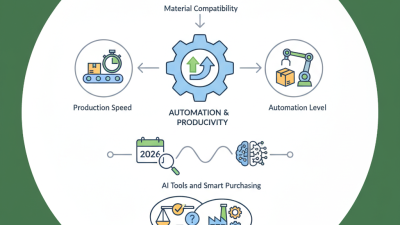
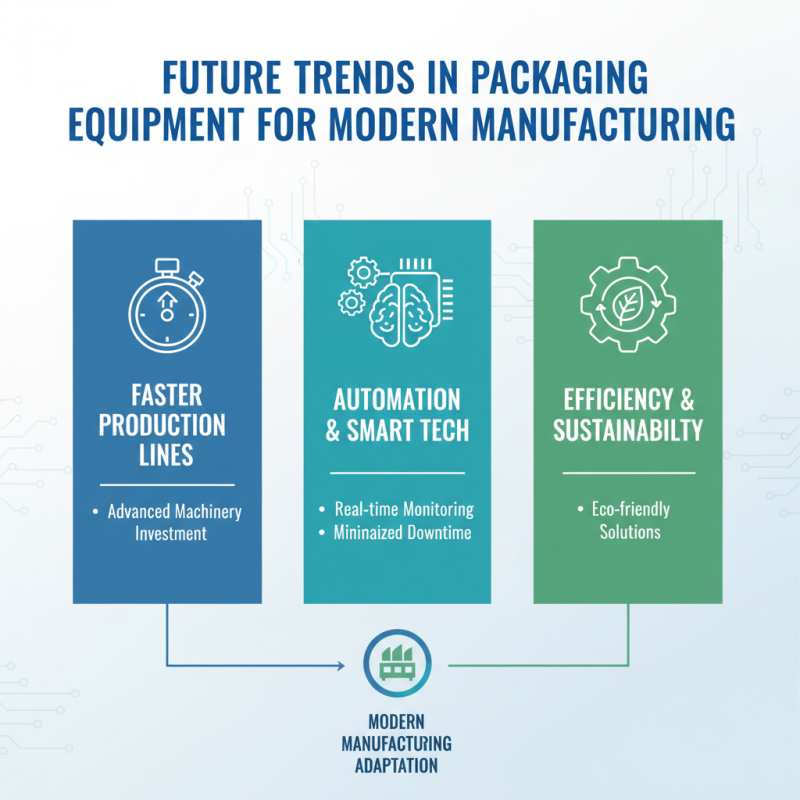
The impact of technology on packaging machinery is profound. Advanced automation and AI integration have transformed the manufacturing landscape. According to a report by PMMI, the Association for Packaging and Processing Technologies, over 60% of manufacturers are investing in automation to improve efficiency. This shift reduces labor costs and increases production speed.
Smart packaging solutions are gaining traction. Sensors and IoT devices enable real-time monitoring. For example, a survey indicated that 77% of companies believe smart packaging enhances their supply chain visibility. However, the rapid pace of technological advancement also brings challenges. Manufacturers must adapt quickly to stay competitive, which can strain resources and require retraining of staff.
While technology promises efficiency, the transition is not always smooth. Many companies struggle with integrating new systems into existing workflows. Equipment upgrades can disrupt operations if mismanaged. Continuous assessment of technology's role in packaging processes remains crucial. Embracing these innovations is key, but a thoughtful approach is essential for lasting success.
Benefits of Efficient Packaging Solutions for Businesses
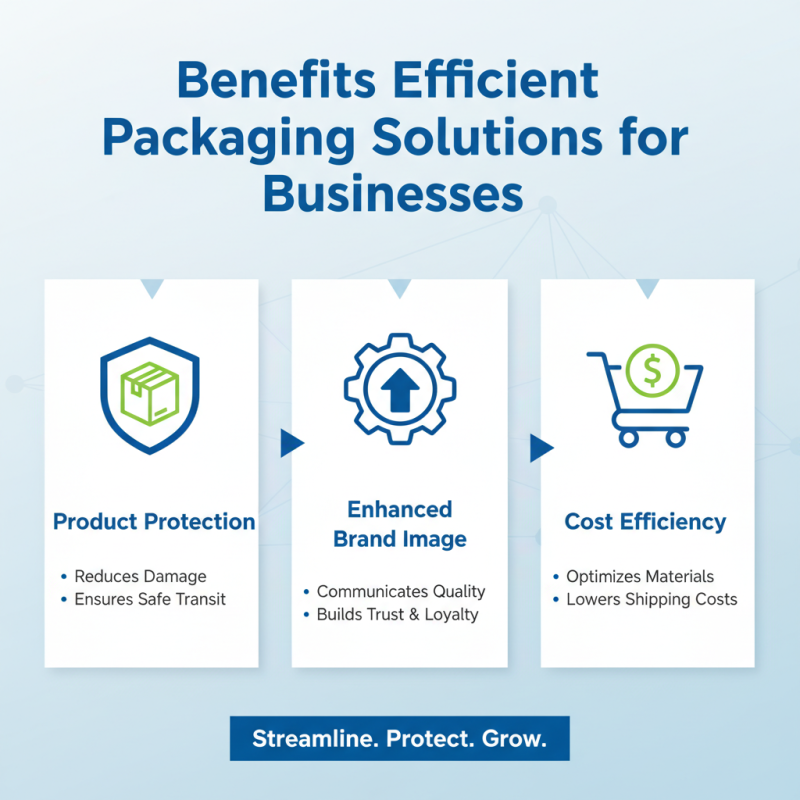
Efficient packaging solutions play a critical role in today’s manufacturing landscape. As businesses strive for growth, the importance of streamlined packaging cannot be overlooked. Well-designed packaging not only protects products but also enhances brand image. It communicates quality and reliability to consumers.
The benefits of efficient packaging extend beyond aesthetics. For instance, it can significantly reduce material waste and lower shipping costs. Improved design can lead to better stackability, maximizing space during transport. However, manufacturers often overlook the impact of poor packaging practices. This can lead to delays, damaged products, and dissatisfied customers.
Investing in modern packaging equipment can improve operational efficiency. Automation reduces labor costs and minimizes human errors. Yet, the initial investment may seem daunting for some businesses. It's essential to weigh the long-term savings against upfront costs. In this evolving market, staying updated on packaging technology is crucial for sustained success.