Top 10 Crushing Equipment Buyers Guide for Global Suppliers?
In the competitive landscape of industrial machinery, "Crushing Equipment" plays a crucial role. This equipment is vital for various sectors, from mining to construction. Understanding the market dynamics is essential for potential buyers. They must identify reliable suppliers who meet their unique needs.
The demand for high-quality Crushing Equipment is rising globally. Buyers face challenges in selecting the right products. Factors such as durability, efficiency, and technology must be considered. Each buyer has specific requirements. Equipment that excels in one area may fall short in another. This inconsistency can lead to regretful purchases.
As buyers navigate the complexities of this market, informed choices become paramount. Detailed knowledge about suppliers and equipment can prevent costly mistakes. Researching market trends and reviews is essential. Buyers should prioritize suppliers with proven expertise and strong reputations. A well-informed decision ultimately enhances productivity and operational success.
Types of Crushing Equipment: An Overview for Buyers
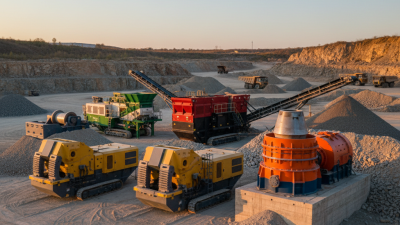
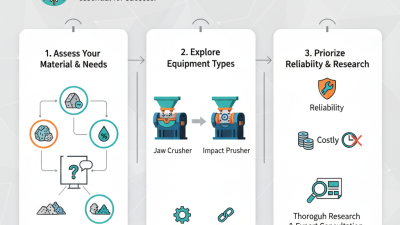
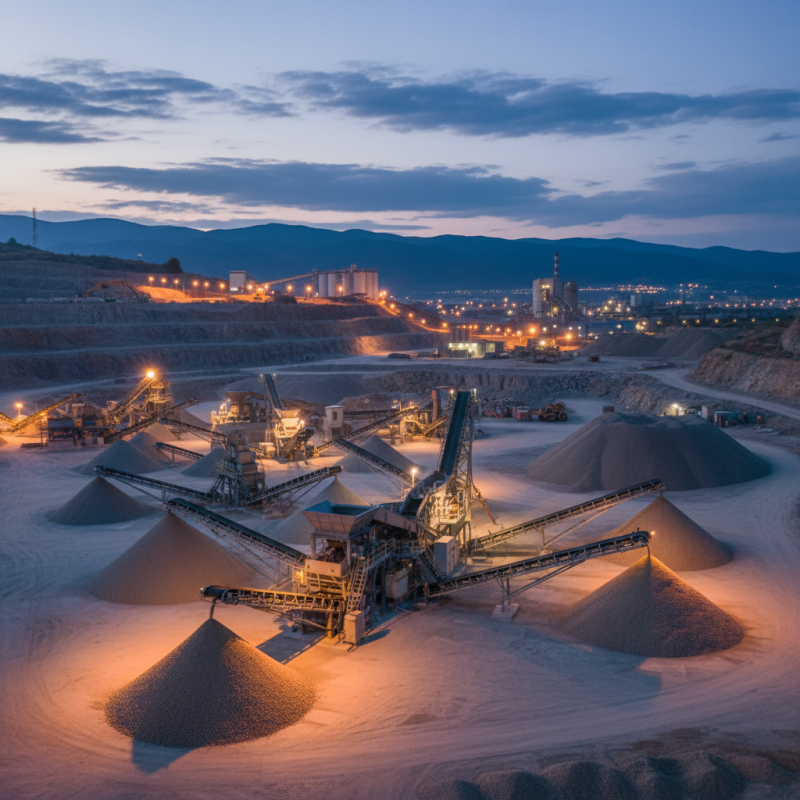
Choosing the right crushing equipment can significantly impact your operations. Understanding the types available is crucial. Crushing equipment typically falls into several categories: jaw crushers, cone crushers, impact crushers, and more. Each type serves specific needs in different industries, from mining to recycling.
Jaw crushers are ideal for primary crushing due to their robust design. They handle large rocks and can produce a coarse output. On the other hand, cone crushers excel in secondary crushing, giving a more refined product. Impact crushers are well-suited for soft to medium-hard materials, offering versatility in size reduction.
Tips: Always evaluate the material type you will be processing. Proper alignment with your production goals will enhance efficiency. Consider the space available for installation. A compact solution may save room and costs.
Crushing equipment does have its limitations. They can generate significant noise and require regular maintenance. Understanding these factors helps avoid unexpected breakdowns. Researching options and consulting with experts can lead to better decisions. Take your time to weigh the pros and cons of each type.
Top 10 Crushing Equipment Buyers Guide for Global Suppliers
| Type of Equipment |
Application |
Capacity (Tons/Hour) |
Power Requirement (kW) |
Features |
| Jaw Crusher |
Primary crushing of hard materials |
50 - 150 |
75 - 200 |
High reduction ratio, durable |
| Cone Crusher |
Secondary and tertiary crushing |
40 - 300 |
100 - 400 |
Efficient, high capacity |
| Impact Crusher |
Medium to soft stone crushing |
30 - 200 |
50 - 150 |
Simple structure, high productivity |
| Roll Crusher |
Coal, rock, and mineral processing |
20 - 100 |
30 - 100 |
Low noise, low power consumption |
| Gyratory Crusher |
Primary crushing, large scale |
500 - 1000 |
200 - 600 |
High capacity, long life |
| Hammer Mill |
Grinding and crushing |
10 - 70 |
30 - 150 |
Versatile, easy maintenance |
| Vertical Shaft Impactor |
Sand, gravel production |
50 - 250 |
75 - 300 |
High quality sand production |
| Vibrating Screen |
Material separation |
Varies by model |
10 - 50 |
High efficiency, low maintenance |
| Feeder Breaker |
Material handling in mining |
100 - 500 |
50 - 150 |
Durable, efficient materials handling |
| Mobile Crusher |
On-site crushing operations |
50 - 300 |
100 - 500 |
Portable, versatile |
Key Features to Consider When Purchasing Crushing Equipment
When purchasing crushing equipment, several key features merit consideration. One critical aspect is the
machine's capacity. According to a report by the
International Journal of Mining Science and Technology, optimal capacity can lead to a
30% increase in productivity. Assessing the maximum feed
size is essential. Equipment that can handle larger rocks often reduces downtime during material loading.
Another vital feature is energy efficiency. The energy costs
associated with crushing can be substantial. Industry studies indicate that upgrading to more efficient
machinery can lower energy consumption by approximately
20%. In addition, maintenance requirements should be
evaluated. Simplified maintenance often translates to reduced downtime and operational costs. A survey by
Mining Weekly found that equipment with easier serviceability led to a
15% increase in overall production efficiency.
Lastly, consider the type of material being processed. Different materials may require specific crushing
techniques or settings. The choice of configuration affects quality and output. A recent investigation
highlighted that improper equipment selection could lead
to a 25% decrease in product quality. Remember,
the perfect machine doesn't exist. An understanding of your specific needs is crucial. This reflection on
the limitations illustrates the complexities of making the right choice in crushing equipment.
Evaluating Performance and Efficiency of Crushing Machines
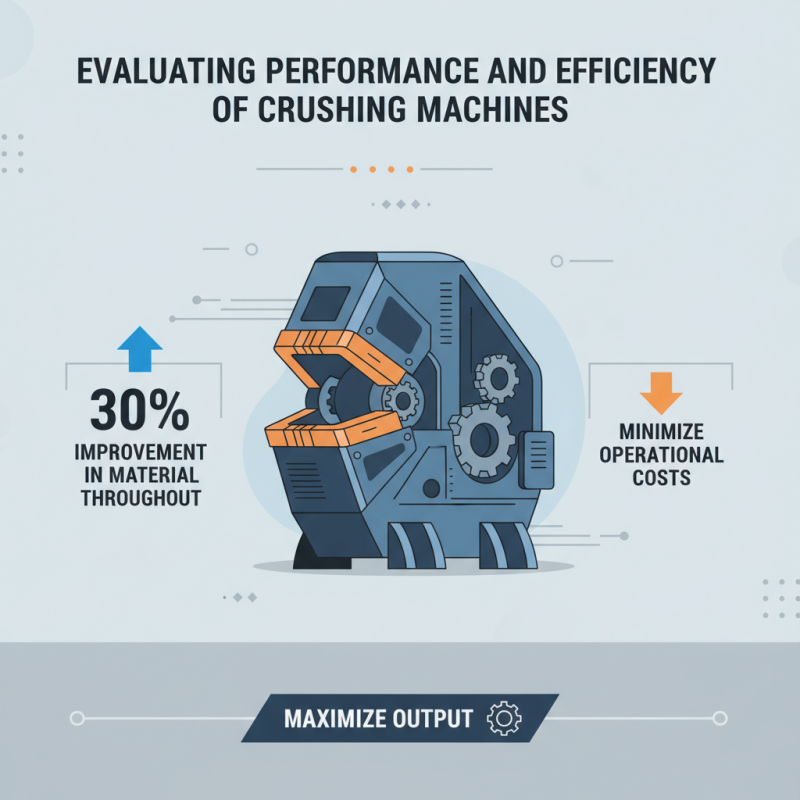
Evaluating the performance and efficiency of crushing machines is crucial for industries reliant on these crucial tools. According to industry reports, optimized crushing processes can lead to a 30% improvement in material throughput. This is significant for businesses focused on maximizing output while minimizing operational costs.
Several factors determine efficiency in crushing equipment. The design and technology of the machine play pivotal roles. For example, machines with advanced automation systems can adjust settings in real-time, enhancing performance. The right choice in materials can also improve the longevity and efficiency of the crushing process. However, it's essential to recognize that not all machines are designed to handle every type of material. Using inappropriate equipment can lead to increased wear and suddenly decreased performance.
Regular maintenance and operator training are critical for sustained efficiency. Proper training ensures that operators can identify issues before they escalate. A study highlights that regular upkeeping can reduce downtime by up to 25%. Yet, companies often overlook these aspects, leading to unexpected disruptions. It's essential for buyers to carefully assess the operational needs and potential pitfalls when choosing crushing equipment.
Supplier Selection: Criteria for Choosing Global Equipment Providers
When selecting a global supplier for crushing equipment, critical criteria come into play. One key factor is the supplier's experience in the industry. An established provider often demonstrates reliability through years of service. Their track record indicates a level of expertise that newer suppliers might lack. Furthermore, assessing their customer feedback reveals their responsiveness and problem-solving capacity.
Quality certifications are also significant. Suppliers with ISO or similar certifications ensure adherence to international standards. This assurance adds to their credibility. Yet, many companies overlook this aspect when making decisions. It’s essential to demand verification of these credentials.
Another aspect to consider is the range of equipment provided. A supplier offering a variety of machinery may be better suited to meet specific project needs, but it’s also vital to verify the performance of their products.
After all, cost should not be the sole consideration. Low prices can sometimes indicate lower quality. Choosing a supplier who demonstrates transparency about pricing and materials is crucial. A lack of clarity can lead to unexpected costs later. Reflecting on these aspects can significantly influence the long-term success of your investment in crushing equipment.
Maintenance and Support: Essential Considerations for Buyers
When considering crushing equipment, maintenance and support are critical factors for buyers. In the fast-paced heavy machinery industry, ignoring these elements can lead to costly downtime. A report by the International Journal of Engineering Research suggests that proper maintenance can reduce equipment failure by almost 30%. This significant reduction highlights why buyers should prioritize maintenance plans when selecting suppliers.
Understanding the complexity of these machines is vital. Regular upkeep can include checks on hydraulic systems, wear liners, and electronic controls. Insufficient maintenance not only shortens a machine's lifespan but also affects productivity. Common misconceptions exist around ‘set and forget’ approaches. Regular inspections and a proactive maintenance strategy are essential.
Tips: Always ask suppliers about their maintenance services. Check if they offer training for your team to handle everyday issues. Consider long-term contracts that include regular servicing. Quality support services reduce unforeseen costs and ensure optimal performance. Remember, a reliable supplier is one that stands behind its equipment and offers comprehensive support.