Why Choose Automated Case Packer for Efficient Packaging Solutions?
In today's fast-paced market, businesses strive for innovative solutions to enhance their packaging processes. An Automated Case Packer stands out as a transformative tool. This advanced technology streamlines the packaging workflow, reducing labor costs and increasing efficiency. Beyond merely speeding up the process, it ensures uniformity and precision in packaging. However, the initial investment in such automated systems can be daunting for some companies.
Implementing an Automated Case Packer can drastically change production dynamics. It not only improves output but also minimizes human error. This technology adapts to different product types, reflecting its versatility. Nevertheless, the transition requires careful planning and consideration. Businesses must evaluate their specific needs and potential obstacles. Not every facility may be ready for such automation without significant adjustments.
Choosing to invest in an Automated Case Packer is not just about keeping up with trends. It's about refining operations for long-term success. Companies must weigh the benefits against the challenges. Reflecting on this helps in making informed decisions that align with their goals. Ultimately, embracing automation can pave the way for a more efficient future in packaging.
Understanding Automated Case Packers in Modern Packaging
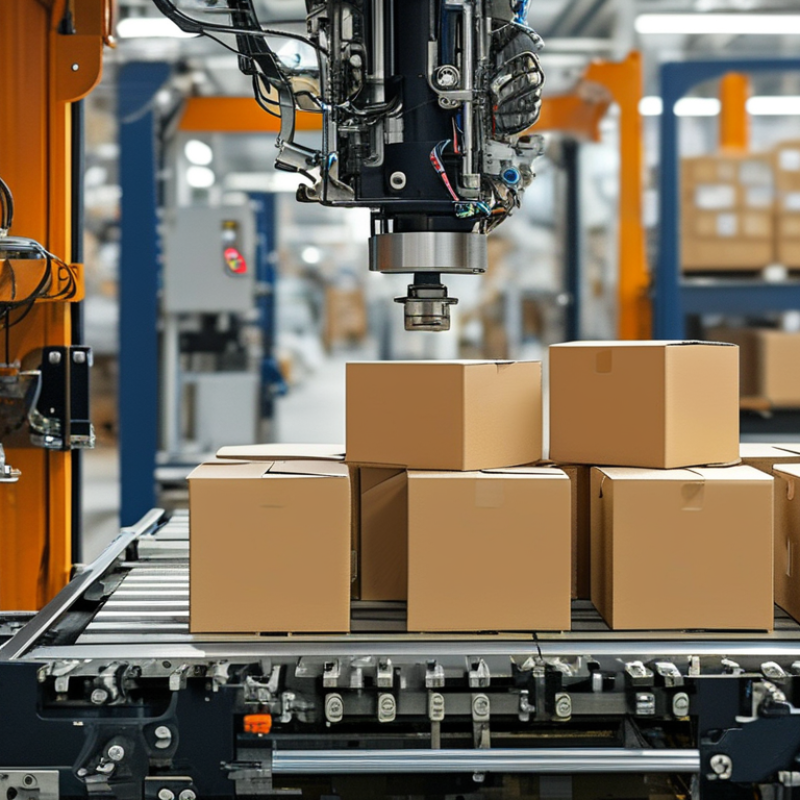
Automated case packers are transforming the packaging industry. These machines enhance efficiency and reduce labor costs. According to the International Society of Automation, implementing automation in packaging can lead to a 30% increase in productivity. This shift not only streamlines processes but also minimizes human error.
Modern automated case packers work with various materials and sizes. They accommodate diverse product types, making them versatile. A recent report from Smithers Pira noted that by 2027, the global automated packaging market is expected to reach $45 billion. This growth reflects the industry's demand for speed and accuracy.
While automated systems deliver substantial benefits, challenges exist. Integration with existing workflows can pose difficulties. Effective training for employees is crucial. Adjusting to new technologies may take time and effort. User feedback is essential for continuous improvement. The industry should focus on addressing these gaps to maximize efficiency.
Key Advantages of Using Automated Case Packers for Efficiency
Automated case packers play a crucial role in modern packaging solutions. Their efficiency stems from several key advantages that help businesses streamline operations. These machines can quickly package products with precision, reducing labor costs significantly. Moreover, they minimize human error, which is crucial for maintaining quality standards.
One notable benefit is the ability to operate continuously. This leads to increased output without sacrificing quality. Automated machines can adapt to various product sizes and types, making them versatile in diverse industries. Integrating this technology allows for faster turnaround times and improved workflow.
**Tip:** When choosing an automated case packer, consider layout flexibility. A well-designed layout can enhance efficiency and minimize space usage.
However, the initial investment can be daunting. Businesses may face challenges in integrating these systems into existing operations. It’s essential to evaluate current needs and plan for potential hurdles. Training staff to operate these machines properly is also critical.
**Tip:** Start with a pilot project. This can help gauge the performance and suitability of the machine in your specific setting.
Why Choose Automated Case Packer for Efficient Packaging Solutions? - Key Advantages of Using Automated Case Packers for Efficiency
| Advantage |
Description |
Impact on Efficiency |
Typical Applications |
| Speed |
Automated case packers can operate at high speeds, significantly reducing packaging time. |
Increases throughput, allowing for more products to be packed in a shorter time. |
Food and beverage, consumer goods |
| Precision |
Ensures accurate case filling and reduces product waste. |
Improves product yield and reduces costs associated with overpackaging. |
Electronics, cosmetics |
| Labor Savings |
Reduces the need for manual labor in the packaging process. |
Lowers labor costs and mitigates risks of human error. |
Pharmaceuticals, household products |
| Flexibility |
Can handle different box sizes and shapes with minimal downtime. |
Enhances the ability to adapt to market changes and product variations. |
E-commerce, various retail products |
| Quality Control |
Incorporates systems for real-time quality checks. |
Ensures consistent product quality and reduces return rates. |
Luxury goods, fragile items |
Comparative Analysis: Manual vs. Automated Case Packing
Manual case packing has been a staple in many industries for decades. However, recent data show that it often leads to inefficiencies. A report by the Packaging Automation Association indicates that manual packing can slow production lines by up to 30%. Workers may experience fatigue, which can further reduce output quality. This variability in performance highlights the need for a more reliable solution.
In contrast, automated case packing systems offer a structured approach to packaging. These systems can operate continuously, with minimal human involvement. The same report states that automated solutions can increase productivity by 50% or more. This not only streamlines the process but also ensures consistent quality in packaging. Additionally, advanced robotics can reduce the risk of injury in the workforce, leading to less downtime.
Yet, implementing automated systems comes with its challenges. The initial investment can be daunting for some businesses. Transitioning from manual to automated systems also requires retraining staff. Companies must reflect on their long-term goals to make informed decisions. The complexities of integrating automation with existing workflows are worth considering.
Comparative Analysis of Manual vs. Automated Case Packing Efficiency
This chart presents a comparative analysis between manual and automated case packing across four key metrics: speed, error rate, labor cost, and setup time. Automated case packing significantly outperforms manual packing in terms of speed and cost efficiency while also reducing the error rate and setup time.
Impact of Automated Case Packers on Production Speed and Cost
Automated case packers have revolutionized packaging in various industries. They enhance production speed significantly by minimizing manual labor. Products move swiftly through the packing process. This efficiency can lead to higher output rates. Workers' time can be redirected to other critical tasks. However, it's important to evaluate the technology's initial investment versus long-term savings.
Cost is a major factor in choosing automated solutions. While the upfront costs may be high, the potential for reduced labor expenses is considerable. Automated systems can operate longer hours with minimal downtime. This leaves less room for human error. Yet, companies must consider maintenance costs. Regular checks are necessary to ensure optimal performance.
Despite these advancements, not every operation will benefit equally. Some may find the transition challenging. Training staff to operate new equipment can take time. Additionally, existing production lines may require modifications. These factors should be weighed carefully. Balancing speed and cost-effectiveness is essential for successful implementation.
Future Trends in Automated Case Packing Technology
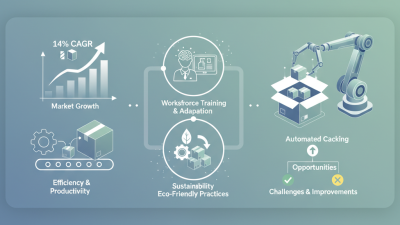
The automated case packing technology is evolving rapidly. Industry reports suggest that the global automated case packing market is projected to reach $5 billion by 2025, growing at a CAGR of 6.5%. This growth is largely driven by the demand for efficiency and precision in packaging processes. Many companies are now turning to automated solutions to meet increasing consumer demands while reducing labor costs.
One notable trend is the integration of artificial intelligence in case packing systems. AI can optimize packing parameters in real-time. This results in reduced material waste and enhanced speed. Automation reduces human error, but it's not without challenges. Companies must address the initial investment costs and ongoing maintenance. Not every operation may seamlessly transition to automated systems; some integration hurdles remain.
Sustainability is another key focus area. Industry professionals note that automated systems can use eco-friendly materials more effectively. Reports indicate that 70% of manufacturers are looking to adopt greener practices in the next few years. Still, the journey toward complete sustainability in automated case packing is ongoing, prompting reflection on best practices and future innovations.