2026 How to Optimize Your Automatic Case Packer for Maximum Efficiency?
In today's fast-paced manufacturing environment, maximizing the efficiency of the Automatic Case Packer is crucial. This equipment plays a vital role in packaging processes, affecting productivity and profitability in any facility. By optimizing the Automatic Case Packer, businesses can enhance workflow and reduce operational costs.
However, achieving maximum efficiency is not always straightforward. Many factors contribute to the performance of an Automatic Case Packer, including maintenance practices, operator training, and machine settings. A key point to remember is that even minor adjustments can lead to significant performance improvements. Regular evaluations may reveal underlying issues that, if overlooked, can hinder efficiency.
Industry experts emphasize the importance of understanding the unique requirements of your production line. This knowledge allows you to tailor the optimization process effectively. Relying solely on generic solutions can lead to missed opportunities. Embracing a culture of continuous improvement will help you rethink your approach to packaging operations. Ultimately, a well-optimized Automatic Case Packer is not just an asset; it is essential for long-term success.
Assessing Your Current Automatic Case Packer Performance Metrics
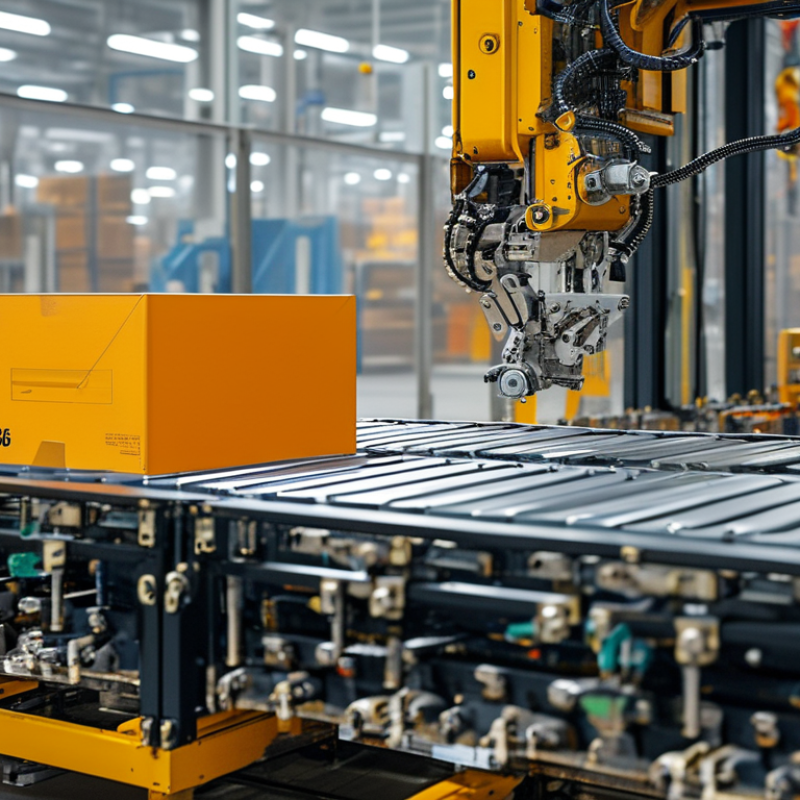
When evaluating the performance of your automatic case packer, it's essential to focus on key metrics. Start by assessing cycle time and its consistency. A high cycle time can indicate problems in productivity. Unstable performance can lead to bottlenecks, reducing overall efficiency. Examine how long each pack cycle takes. Identify any delays, and understand their causes.
Next, review the accuracy of packing. Correct placement ensures fewer errors and minimizes waste. Monitor packing rates and error margins. Are your packers consistently accurate? Document any discrepancies. This data will help identify patterns that may need addressing. Consider if adjustments in the packing process could enhance accuracy.
Take a close look at machine maintenance. How frequently do you service the automatic case packer? Regular checks can prevent breakdowns and improve efficiency. An underperforming machine can lead to unplanned downtime. Track maintenance records and see if there's a connection between service intervals and performance. Analyzing these factors can shed light on potential areas for improvement. Often, slight changes can have a big impact.
Identifying Common Inefficiencies in Case Packing Processes
In case packing processes, identifying inefficiencies is key to optimization. Many operations struggle with inconsistent pack patterns. According to a recent industry report, up to 25% of cases are packed incorrectly, leading to product damage and elevated costs. Manual handling errors can cause misalignment. These result in wasted time during rework.
Another common inefficiency is equipment downtime. A study found that nearly 20% of production time is spent on maintenance and repairs. This can be alarming for productivity. Having a preventative maintenance plan is crucial. Regular check-ups can prevent unexpected halts in packing.
Training plays a significant role in efficiency. Inadequate training of staff might cause delays in the packing line. Employees unfamiliar with case packing machinery tend to make mistakes. Investing in comprehensive training can mitigate these issues. It enhances quality control and speeds up the packing process. Ultimately, understanding these inefficiencies is essential for optimizing case packing operations.
2026 Automatic Case Packer Efficiency Analysis
Implementing Advanced Technology for Enhanced Packing Automation
In today's fast-paced packaging industry, optimizing your automatic case packer is essential. Implementing advanced technology can significantly enhance packing automation. Automation is not just about machines; it's about integrating smart technology. Sensors and AI can analyze packing patterns in real time, helping to adjust workflows for efficiency.
**Tip:** Regularly update your software to include the latest features. This can prevent bottlenecks and reduce downtime. Machinery should also be maintained well. Neglecting maintenance can lead to unexpected malfunctions and inefficiencies. Consider investing in predictive maintenance systems. They offer insights into when a part may fail, allowing for timely interventions.
Advanced robotics in packing can adapt to different product sizes and shapes. This flexibility can save space and reduce waste. However, it’s crucial to assess the effectiveness of these systems constantly. An over-reliance on technology may lead to oversight of human oversight and decision-making. Regular assessments can help balance automation with the necessary human touch.
**Tip:** Train your staff regularly. Their insights from daily operations can highlight areas needing improvement. Engage them in technology discussions. This can foster innovation while enhancing overall productivity.
2026 How to Optimize Your Automatic Case Packer for Maximum Efficiency? - Implementing Advanced Technology for Enhanced Packing Automation
| Parameter |
Value |
Impact on Efficiency (%) |
Recommended Action |
| Packing Speed (cases per minute) |
25 |
10 |
Increase motor efficiency |
| Downtime (minutes per shift) |
15 |
5 |
Implement predictive maintenance |
| Error Rate (%) |
2 |
8 |
Enhance error detection systems |
| Energy Consumption (kWh) |
50 |
7 |
Switch to energy-efficient components |
| Training Hours Required |
2 |
3 |
Provide comprehensive training program |
Regular Maintenance Practices to Ensure Continuous Optimal Performance
Regular maintenance is crucial for automatic case packers to ensure high efficiency.
According to industry reports, a wells-maintained machine can reduce downtime by up to 30%.
Scheduled checks on mechanical components can prevent unexpected failures that disrupt production lines.
Implementing routine inspections can identify wear and tear before it leads to larger issues.
This proactive approach can save significant costs. Maintaining lubrication levels and filtering systems enhances component lifespan.
Tips for effective maintenance include using quality lubricants and performing regular cleanings.
Periodic training for operators ensures they are familiar with machine functions.
Engaging staff in maintenance practices fosters a culture of care.
Keep a detailed log of maintenance activities to track performance over time.
Regular updates to these records can highlight patterns that may need attention.
Adjustments based on data-driven insights can lead to continuous improvements in machine efficiency.
Training Staff for Effective Operation of Automated Packing Systems
Automated packing systems can significantly enhance efficiency in production. However, the effectiveness of these systems heavily relies on the expertise of the staff operating them. According to a report by logistics leaders, companies that invest in training see a 30% increase in operational efficiency. Properly trained staff can reduce errors and downtime, ensuring smooth workflow.
Training programs should focus on the technical aspects of the machinery as well as problem-solving skills. Regular workshops and hands-on sessions can empower employees. A survey conducted by an industry association revealed that 85% of companies with ongoing training initiatives reported fewer operational issues. Staff should feel confident addressing minor malfunctions and adjusting settings when necessary.
Moreover, it's crucial to assess and refine training methods continually. Some staff may struggle to adapt to high-tech changes. Frequent evaluations can identify gaps in knowledge. Investing in training not only optimizes machines but also fosters a culture of continuous improvement. Automated systems can only achieve their full potential with a knowledgeable workforce behind them.