How to Choose the Right Automatic Dust Collector for Your Workshop?
Choosing the right Automatic Dust Collector for your workshop is crucial. Experts emphasize this aspect. John Smith, a renowned industry expert, once said, “A good dust collector makes a significant difference in any workshop.” His insights highlight the importance of selecting the right model.
Dust collection systems help maintain a clean and safe workspace. They minimize dust and harmful particles, promoting better air quality. However, not all collectors are suitable for every workshop. You must consider size, power, and specific needs. Each workshop has unique dust challenges. The choices can be overwhelming, requiring thoughtful consideration.
Performance matters. An unsuitable Automatic Dust Collector may lead to inefficient operation. It could result in excessive noise or inadequate filtration. These flaws can detract from your productivity. Reflect on your workshop's requirements. Make informed decisions based on expert recommendations to ensure optimal performance.
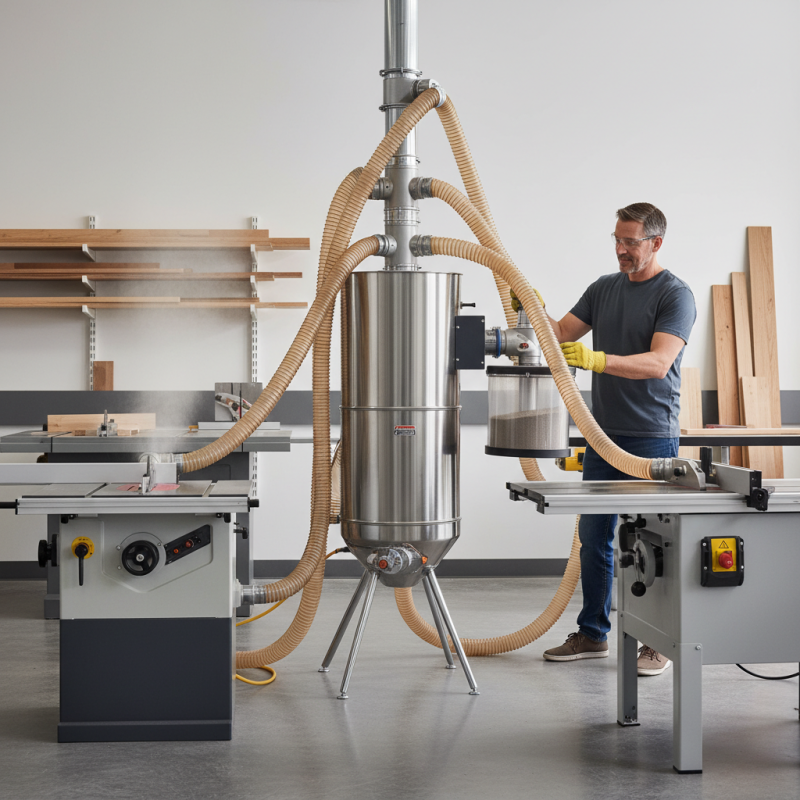
Understanding the Importance of Dust Collection in Workshops
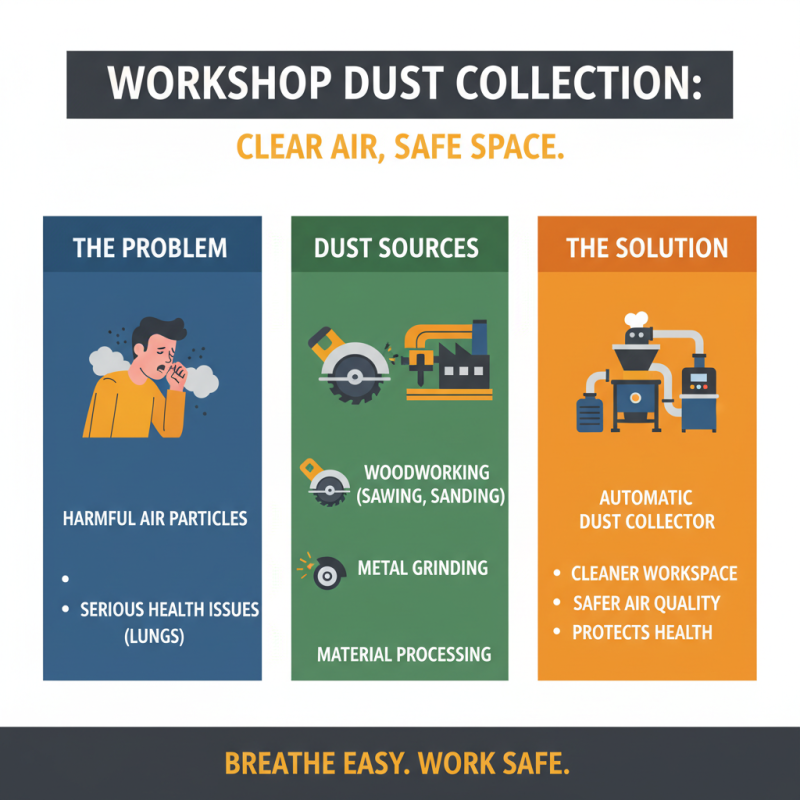
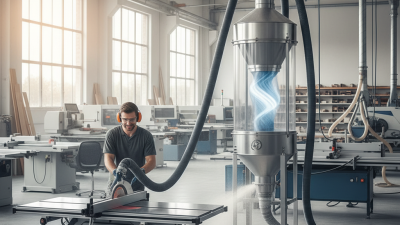
Dust collection is crucial in any workshop. It prevents harmful particles from accumulating in the air. Breathing in fine dust can lead to serious health issues over time. Workshops that handle wood, metal, or other materials generate significant dust that isn't safe to inhale. Using an automatic dust collector helps keep the workspace cleaner and air safer.
Choosing the right dust collector requires understanding both your space and needs. Consider the size of your workshop and the type of materials you work with. A collector that’s too small might not capture all the dust. Conversely, an oversized unit could be an inefficient use of energy. Reflecting on these details can lead to better choices.
Dust collection systems should also be easy to maintain. Filters need regular cleaning or replacement. An often overlooked point is noise levels. Some dust collectors can be disruptive. Finding a balance between power and quiet operation may take time and research. Choosing wisely ensures both safety and comfort in your workspace.
Key Criteria for Selecting an Automatic Dust Collector
When selecting an automatic dust collector, it’s essential to evaluate several key criteria. The first factor to consider is the size of your workshop. A small space may benefit from a compact dust collector. Larger workshops, on the other hand, could require a more powerful model to handle increased dust production. Understanding your workshop's scale helps in making an informed decision.
Another vital aspect is the type of dust generated within your workspace. Some materials create fine particles, while others produce larger debris. Choosing a dust collector with the right filtration system is crucial for optimal performance. For fine dust, look for systems with HEPA filters. They can capture 99.97% of particles, enhancing air quality.
Noise level cannot be overlooked. Many dust collectors operate at high decibels, which can be disruptive. You may want a quieter model if your workspace is close to living areas. Think about how long you will operate the collector. Investing in a quieter model might be worthwhile for long-term comfort in your workshop. Balancing these factors can lead to more effective dust management.
How to Choose the Right Automatic Dust Collector for Your Workshop?
| Criteria |
Importance Level |
Recommended Range / Type |
Notes |
| Vacuum Power |
High |
1-3 HP for small to medium shops |
Ensure adequate power for all tools |
| Filtration Efficiency |
High |
0.5 - 2 microns |
HEPA filters recommended for fine dust |
| Airflow Rate |
Medium |
600 - 1200 CFM |
Balance between suction and noise level |
| Noise Level |
Medium |
Below 85 dB |
Consider sound insulation options |
| Ease of Maintenance |
High |
Quick access to filters and bags |
Frequent maintenance checks are essential |
| Portability |
Medium |
Wheeled models for flexibility |
Consider fixed vs. mobile options |
| Size of Collection Bags |
Medium |
30 - 55 gallons |
Larger bags reduce frequency of emptying |
Analyzing Airflow Requirements for Effective Dust Collection
When selecting an automatic dust collector, understanding airflow requirements is essential. Effective dust collection relies on adequate airflow to capture airborne particles. Industry standards indicate that a dust collector should achieve a minimum airflow of 350 to 500 cubic feet per minute (CFM) for a typical workshop setup. This ensures the efficient removal of dust generated during woodworking, metalworking, or similar activities.
In a poorly designed system, inadequate airflow can lead to dust accumulation, posing health risks and creating a hazardous work environment. A report by the National Institute for Occupational Safety and Health emphasizes that workplaces with optimal airflow can reduce respiratory issues among workers by up to 40%. Failing to analyze airflow can also lead to higher energy costs and decreased equipment lifespan.
It's important to consider the size of your workshop and the dust generation rate when calculating total airflow needs. A common mistake is underestimating the required CFM for larger machinery. Additionally, having too much airflow can create inefficiencies, leading to noise and unnecessary energy consumption. Balancing these factors can be challenging and may require iterative testing and adjustments.
Comparing Filtration Systems: HEPA vs. Standard Filters
When selecting an automatic dust collector, the filtration system is crucial. HEPA filters and standard filters have distinct differences that can impact your workshop's air quality. HEPA filters capture at least 99.97% of particles that are 0.3 microns in diameter. They are ideal for fine dust and allergens often found in woodworking shops. In contrast, standard filters may trap larger particles but allow smaller ones to escape. This can lead to respiratory issues over time, especially in prolonged exposure situations.
Assessing your specific needs is essential. If you primarily work with fine materials, a HEPA filter is a wise investment. However, for general-purpose tasks, a standard filter might suffice. Yet, even standard filters can struggle with fine dust, which begs the question: is cutting costs worth the potential health risks? Maintenance is another factor to consider; HEPA filters can be more expensive and require timely replacement, adding to the long-term costs.
Your environment can significantly influence the choice between these filters. Dust levels fluctuate, and so do the requirements for effective filtration. A workshop in a garage with poor ventilation may need a HEPA filter more urgently. In contrast, a space with decent airflow might manage with a standard option. Acknowledge these nuances. Investing time in choosing the right filration system could drastically improve your workshop's air quality. It's about finding the balance between efficiency and health.
Assessing Noise Levels and Power Consumption in Dust Collectors
When selecting an automatic dust collector, two critical aspects to evaluate are
noise levels and power consumption.
Noise can affect your workshop environment significantly. A quiet dust collector helps maintain focus and comfort,
allowing you to work for extended periods without distraction. Measure the decibel levels. Ideally, look for
models that operate below 85 decibels. This level is safer for your hearing
and creates a more pleasant workspace.
Power consumption is equally important.
Energy-efficient models may have a higher upfront cost, but they save money
in the long run. Review the wattage specifications carefully. A dust collector drawing less power may still
offer adequate suction. This balance is essential for maintaining an efficient workshop without excessive utility bills.
Consider the type of work you do. If your projects generate more dust, you might need to compromise between power and consumption.
Reflect on your specific needs and available space before making a purchase. The most effective solution may not always
seem perfect at first glance.