What is Mixing Equipment and How Does It Work?
Mixing equipment plays a crucial role in various industries, from food processing to pharmaceuticals. This equipment ensures that materials blend uniformly, achieving the desired consistency and quality. Effective mixing can enhance product performance and create uniformity in texture and flavor.
Understanding how mixing equipment operates helps in choosing the right type for specific applications. Different types exist, each designed for particular purposes. Some are best suited for dry powders, while others excel in liquid mixtures. Knowledge of these machines is essential for manufacturers seeking optimal results.
Yet, not all mixing processes are perfect. Variables like ingredient characteristics and mixing time can greatly affect outcomes. This process demands careful consideration and adjustments. While expertise exists, ongoing challenges arise that require reflection and improvement. Keeping these factors in mind ensures higher quality standards and efficiency in production.
Understanding the Definition and Purpose of Mixing Equipment
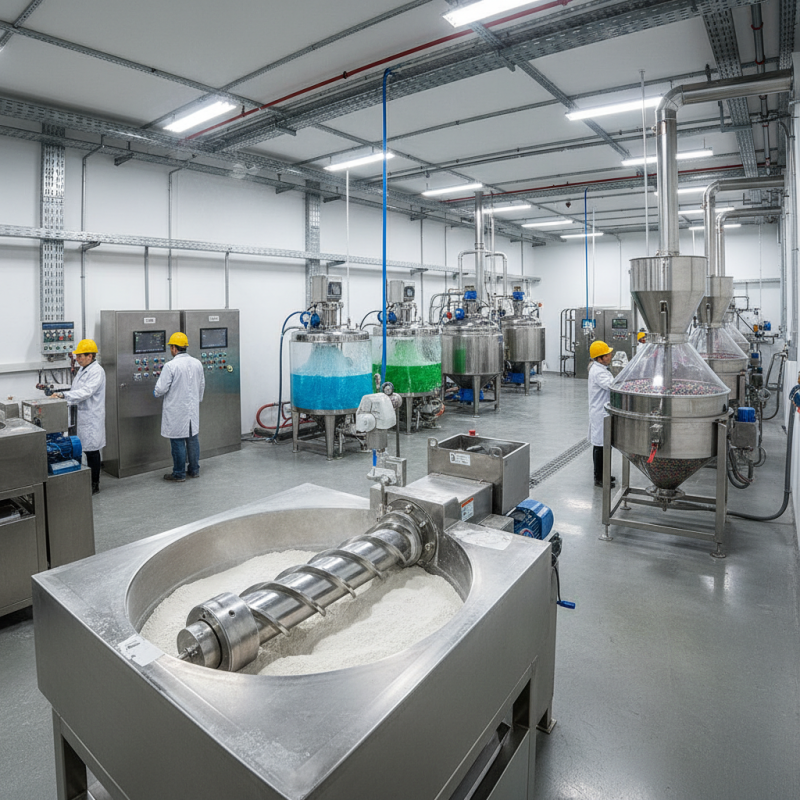
Mixing equipment plays a crucial role across various industries, ensuring that materials blend uniformly for optimal results. According to a recent industry report, over 60% of manufacturing sectors rely on efficient mixing processes to enhance product quality. This equipment encompasses various devices, including mixers, blenders, and stirrers, each designed for specific material types and desired outcomes. The effectiveness of mixing equipment directly impacts product consistency, which is vital in sectors like food and beverage, pharmaceuticals, and chemicals.
The purpose of mixing equipment extends beyond mere combination. It also aims to achieve homogeneity, reduce particle size, and improve processing times. For instance, in the food industry, improper mixing can lead to inconsistent flavors or textures. Reports highlight that nearly 30% of food recalls are linked to mixing errors. This statistic stresses the importance of reliable mixing equipment—a critical factor in ensuring safety and compliance with industry standards. As the landscape continues to evolve, advancements in mixing technology are essential to meet increasing demands for efficiency and quality.
Categories of Mixing Equipment Used in Various Industries
Mixing equipment plays a crucial role across various industries. Each sector has its own specific needs and equipment types. For instance, the food industry often uses batch mixers. These machines ensure products are uniform and safe for consumption. A type of batch mixer can mix dry ingredients quickly, increasing efficiency but sometimes lacking consistency.
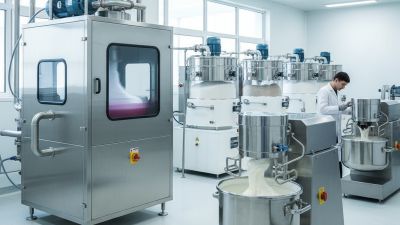
In the pharmaceutical field, high-shear mixers are common. They create emulsions and suspensions effectively. Precision is vital here. However, even the most advanced mixers can face challenges, such as inadequate mixing time. This can lead to uneven distributions of active ingredients.
In chemical processing, agitators are widely used. They help in blending liquids and creating reactions. Yet, types of agitators can vary in design and operation. Some might not handle viscous materials well. This limitation often requires operators to be creative in finding solutions. Thus, understanding each equipment's strengths and weaknesses is key to optimizing performance.
Key Components and Mechanisms of Mixing Equipment
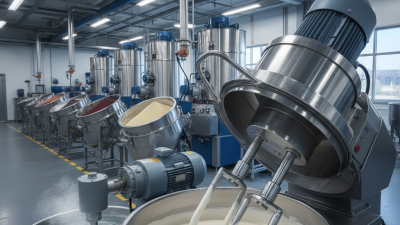
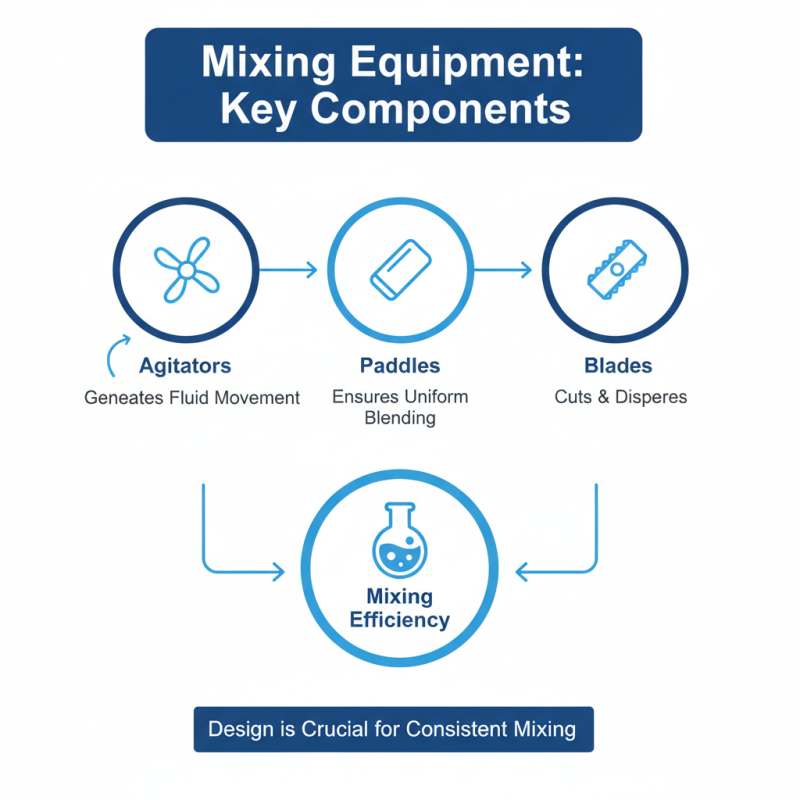
Mixing equipment plays a crucial role in various industries, from food production to chemical processing. Understanding its key components provides insight into its functioning and effectiveness. At the heart of mixing equipment are agitators, paddles, and blades. These components generate fluid movement, ensuring uniform mixing of substances. The design of these elements can significantly influence the mixing efficiency. For example, a poorly designed paddle may lead to inconsistent blending.
The mechanisms behind mixing equipment vary based on the application. Mechanical mixers rely on applied forces to combine materials, while static mixers promote turbulence through fixed structures. This difference often impacts the time needed for effective mixing. Some mixers require heating or cooling elements, adding complexity to their design. Adjustments to speed and torque can enhance results, yet they also introduce potential challenges.
Operators must be skilled in adjusting these parameters to avoid under-mixing or over-mixing. An imbalance in these settings can lead to wasted resources or compromised product quality. Observing the mixing process closely is essential. Regular maintenance of equipment also influences its reliability. Recognizing these nuances allows operators to better anticipate potential issues and adapt their mixing strategies accordingly.
Efficiency Parameters and Performance Metrics in Mixing Processes
Mixing processes play a crucial role in various industries. Understanding efficiency parameters is essential for optimizing operations. Key performance metrics include mixing time, energy consumption, and uniformity of the mixture. By examining these factors, businesses can gauge the effectiveness of their equipment and processes.
Effective mixing requires careful attention to details. For example, the type of materials being mixed can influence efficiency. A viscous liquid behaves differently than a powder. This variability can lead to inconsistent results if not addressed. It’s important to routinely evaluate the mixing equipment's performance. Regular maintenance and calibration can prevent setbacks.
Continuous improvement is a vital aspect of many mixing operations. Gathering data on performance metrics allows for better decision-making. Each parameter impacts the overall process, and small tweaks can lead to significant gains. However, relying solely on numerical data may overlook qualitative aspects, like operator skill. Balancing quantitative and qualitative assessments ensures a more effective mixing process.
Current Trends and Innovations in Mixing Technology
Mixing technology is evolving rapidly. Innovations are enhancing efficiency and product quality in various industries. Recent trends highlight several key advancements that are reshaping how mixing equipment functions.
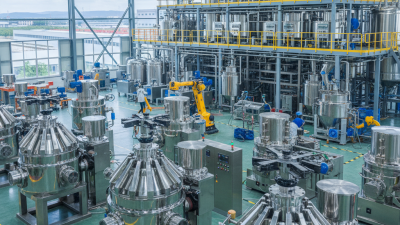
One major trend is the integration of automation. Automated mixing systems improve precision and reduce human error. These systems can adapt to different materials and optimize mixing times. For example, sensors monitor viscosity in real time. As a result, operators receive immediate feedback. This leads to higher-quality outcomes and reduced waste.
Another exciting development is the rise of 3D mixing technologies. This method offers advantages in achieving uniformity across materials. It allows for intricate designs that traditional mixers cannot replicate. Industries are exploring this method for better performance in pharmaceuticals and food production.
Tips: Consider investing in automated systems to enhance production. Regular maintenance is crucial to ensure optimal performance. Also, stay updated on industry trends to incorporate new technologies effectively. Emphasizing reliability and performance in your mixing processes can position you ahead of competitors.
What is Mixing Equipment and How Does It Work? - Current Trends and Innovations in Mixing Technology
| Mixing Equipment Type |
Common Applications |
Benefits |
Current Trends |
| High-Shear Mixers |
Cosmetics, Food, Pharmaceuticals |
Efficiency in emulsification, uniformity |
Increased automation and IoT integration |
| Batch Mixers |
Chemicals, Coatings, Plastics |
Flexibility and scalability |
Sustainability in formulations |
| Continuous Mixers |
Food Production, Cement, Waste Treatment |
Consistent quality, reduced lead time |
Data analytics for process optimization |
| Planetary Mixers |
Baking, Battery Manufacturing, Adhesives |
Thorough mixing of viscous materials |
Smart controls for better performance |
| Magnetic Stirrer |
Laboratory, Brewing, Small-scale Production |
Minimal contamination, easy to use |
Increased use of digital interfaces |