Top China Best Mixing Equipment for Global Buyers?
In the competitive landscape of manufacturing, mixing equipment plays a crucial role. The global mixing equipment market is projected to grow significantly, with a value of approximately USD 6 billion by 2025, according to recent industry reports. Companies are increasingly seeking reliable mixing solutions that offer efficiency and innovation.
Top China manufacturers lead in this sector, providing advanced mixing equipment that caters to diverse industries. Their products range from simple blenders to complex systems designed for specialized applications. For instance, in food processing, consistency and quality are vital. The right mixing equipment ensures uniformity in textures and flavors, directly impacting customer satisfaction.
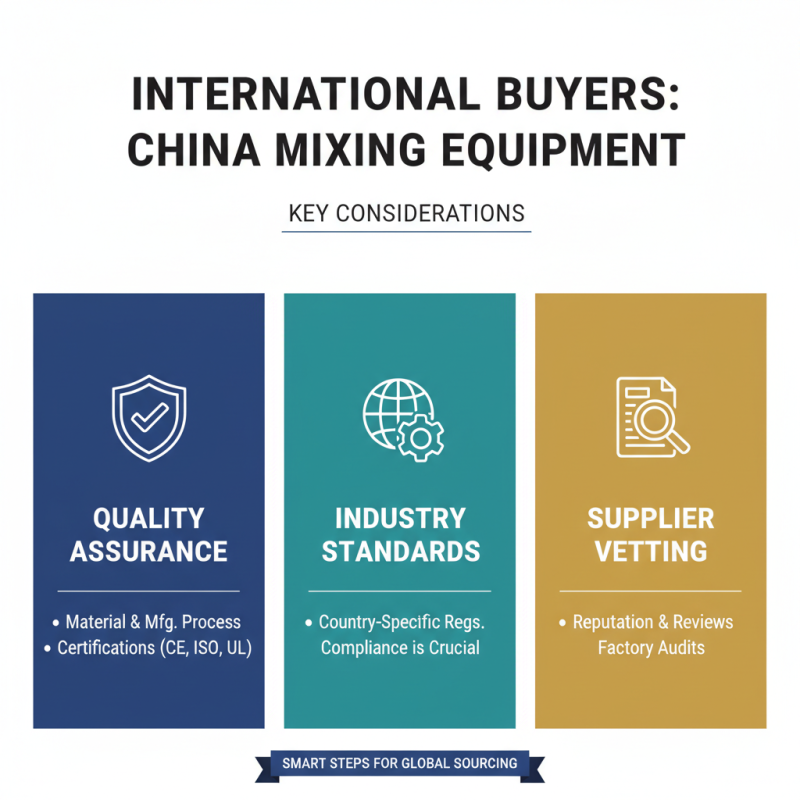
However, not all equipment meets the rigorous standards required. Buyers must navigate a market filled with options and varying quality. Investing in reliable mixing equipment is essential for achieving operational excellence. The challenge lies in discerning which products offer true value. Doing thorough research and seeking expert advice can yield significant long-term benefits. Ultimately, the right choice can enhance productivity and reduce waste in the long run.
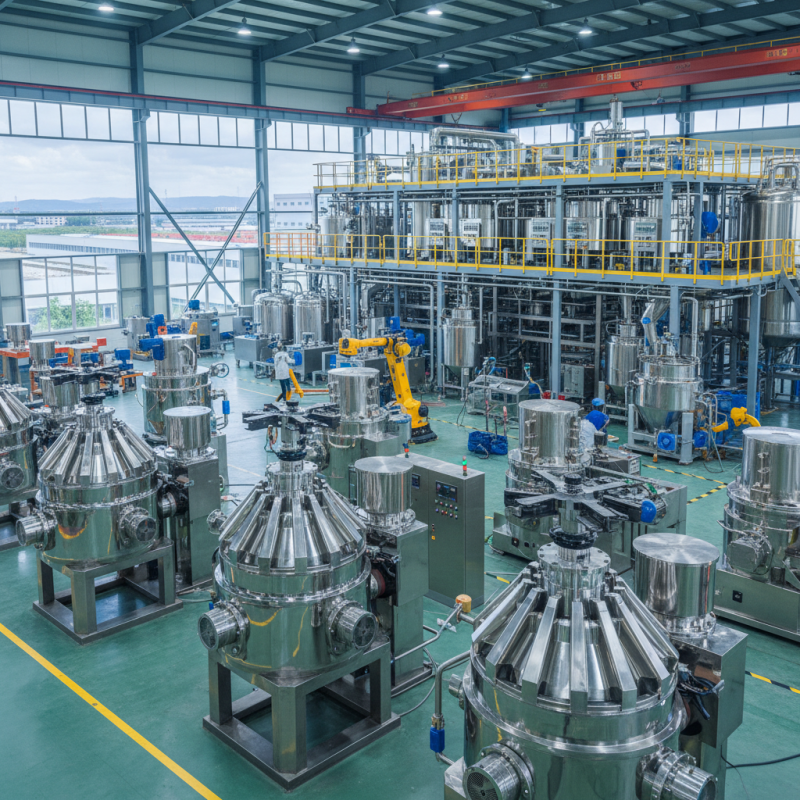
Overview of Mixing Equipment in China
China's mixing equipment industry has gained significant traction in recent years. With a market size of approximately $4.5 billion in 2022, it reflects a rapid growth trajectory. The industry is expected to grow at a CAGR of around 4% through 2027, driven by increased demand from sectors like food processing, chemicals, and pharmaceuticals. Mixing equipment facilitates vital processes, ensuring consistency and quality in production.
Chinese manufacturers offer a wide range of equipment, from batch mixers to continuous mixing systems. Batch mixers dominate the market, accounting for nearly 60% of sales. This popularity stems from their flexibility in various applications. However, challenges persist. Quality control remains an area needing improvement. Some equipment may not meet international standards, raising concerns for global buyers.
Moreover, the industry grapples with environmental regulations. While many manufacturers have begun adopting eco-friendly practices, compliance remains inconsistent. The need for advanced technology is evident. Upgrading facilities and investing in R&D can enhance efficiency. As Chinese manufacturers aim for global competitiveness, addressing these issues will be crucial for future growth.
Key Features of Top Mixing Equipment
In the rapidly evolving world of mixing equipment, global buyers need to consider key features that enhance both productivity and quality. A recent report by Industry Insights highlights that 45% of manufacturers prioritize equipment efficiency. This realization prompts a reevaluation of traditional mixing methods.
One fundamental feature is the mixing uniformity. Users benefit from consistent results, which are crucial in industries like pharmaceuticals and food processing. In these sectors, a discrepancy in mixing can lead to product defects. According to the Mixing Technology Review, this inconsistency has resulted in up to 30% product failure rates in poorly mixed batches.
Another essential feature is user-friendly controls. Operators often face challenges, especially when dealing with complex machinery. Intuitive interfaces significantly reduce training time. This change not only enhances safety but also boosts operational efficiency. With a reported 25% increase in productivity from simplified controls, it's clear that usability plays a critical role in modern mixing equipment. However, buyers must remain cautious. Equipment that appears easy to use may still have hidden complexities that can hinder actual performance.
Top China Best Mixing Equipment for Global Buyers
| Model |
Capacity (L) |
Power (kW) |
Mixing Speed (RPM) |
Material |
Key Feature |
| Model A |
100 |
5 |
200 |
Stainless Steel |
High Efficiency |
| Model B |
200 |
7.5 |
150 |
Carbon Steel |
Versatile Mixing |
| Model C |
50 |
3 |
250 |
Aluminum |
Compact Design |
| Model D |
150 |
6 |
180 |
Stainless Steel |
Energy Saving |
| Model E |
75 |
4 |
220 |
Polypropylene |
Low Noise |
Popular Manufacturers in the Chinese Market
The Chinese mixing equipment market is witnessing significant growth. According to industry reports, the demand for high-quality mixing equipment has surged by over 30% in recent years. This trend aligns with the global push for advanced manufacturing technologies. Chinese manufacturers are adapting to this trend, developing innovative solutions to meet diverse industrial needs.
Focusing on popular manufacturers, many excel in producing equipment for sectors like food processing and chemicals. These companies emphasize product reliability and efficiency. Data indicates that over 60% of buyers prioritize these features when selecting mixing equipment. However, while many manufacturers boast state-of-the-art technology, not all maintain consistent quality controls. This inconsistency can lead to significant operational challenges for buyers.
The competitive landscape also poses challenges. With numerous local and international players, differentiating quality can be difficult. Some manufacturers offer tempting pricing but fail to ensure long-term durability. It’s essential for buyers to conduct thorough research and evaluate user reviews. Engaging with industry experts can provide insights into which manufacturers uphold rigorous standards.
Global Trends in Mixing Equipment Technology
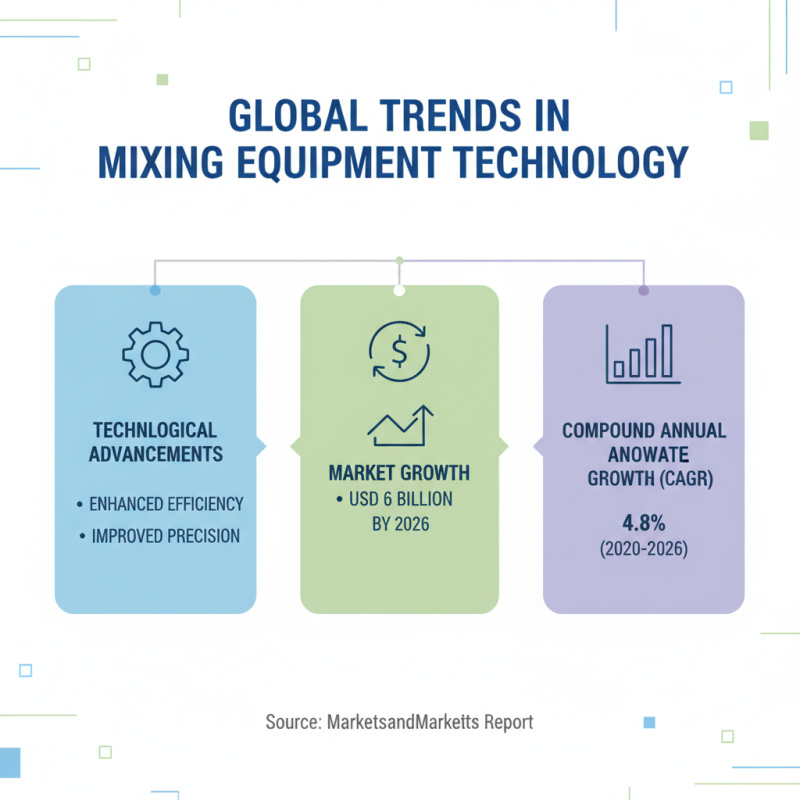
The mixing equipment industry is evolving rapidly. Recent reports indicate significant advancements in technology, aimed at enhancing efficiency and precision. According to a study by MarketsandMarkets, the global mixing equipment market is projected to reach USD 6 billion by 2026, reflecting a CAGR of 4.8%. This growth underscores the increasing demand for high-performance mixing solutions.
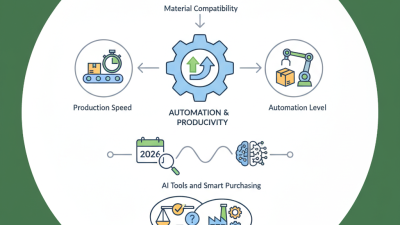
One notable trend is the integration of automation in mixing processes. Automation reduces human errors and enhances consistency in product quality. Moreover, the push for sustainability drives manufacturers to develop eco-friendly mixing solutions. Efficient energy use and reduced waste are becoming essential criteria in equipment selection.
Tips for buyers: Consider energy efficiency and automation features when selecting equipment. These aspects can significantly cut long-term operational costs. Moreover, seeking equipment that offers flexibility can accommodate a range of materials and processes. Flexibility is vital as production demands often change.
Investing in the latest mixing technology is no longer optional but imperative. The focus on enhanced performance and sustainability can lead to operational excellence.