Top Tips for Choosing the Right Mixing Equipment Today?
Choosing the right mixing equipment can significantly impact your production process. In various industries, the quality of your mixture directly affects the final product. Understanding the different types of mixing equipment is crucial for optimizing efficiency.
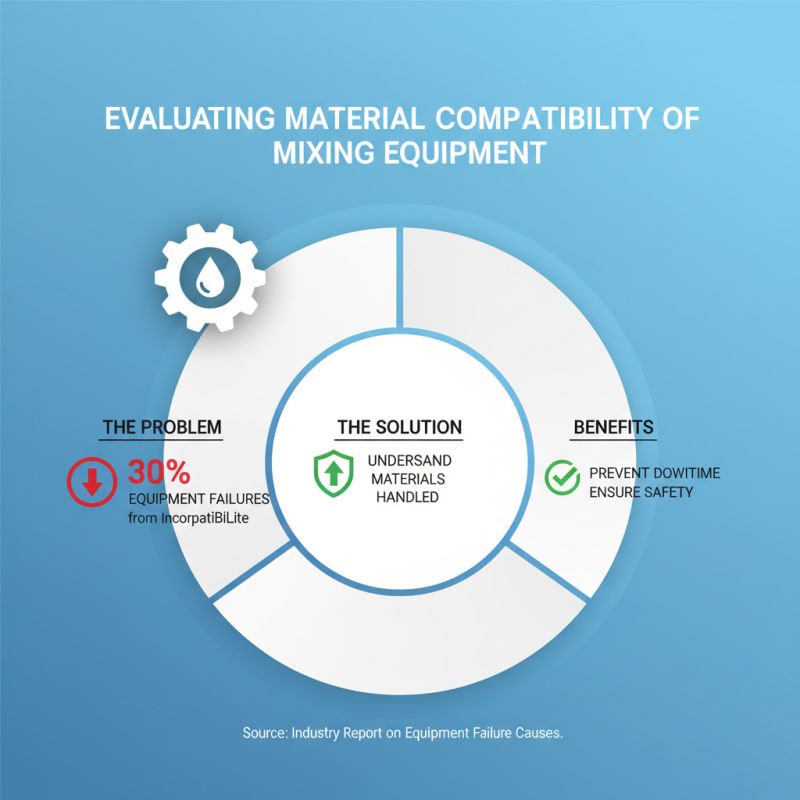
When selecting mixing equipment, consider factors like capacity, material compatibility, and operational ease. Each equipment type has distinct advantages and limitations. Not every machine will meet your specific needs, so careful evaluation is essential.
Many users overlook maintenance requirements and long-term costs. Your choice should reflect not only immediate needs but future demands too. Reflecting on past experiences can guide better decisions. For effective results, invest time in research. The right mixing equipment can enhance productivity and product quality significantly.
Understanding Different Types of Mixing Equipment Available Today
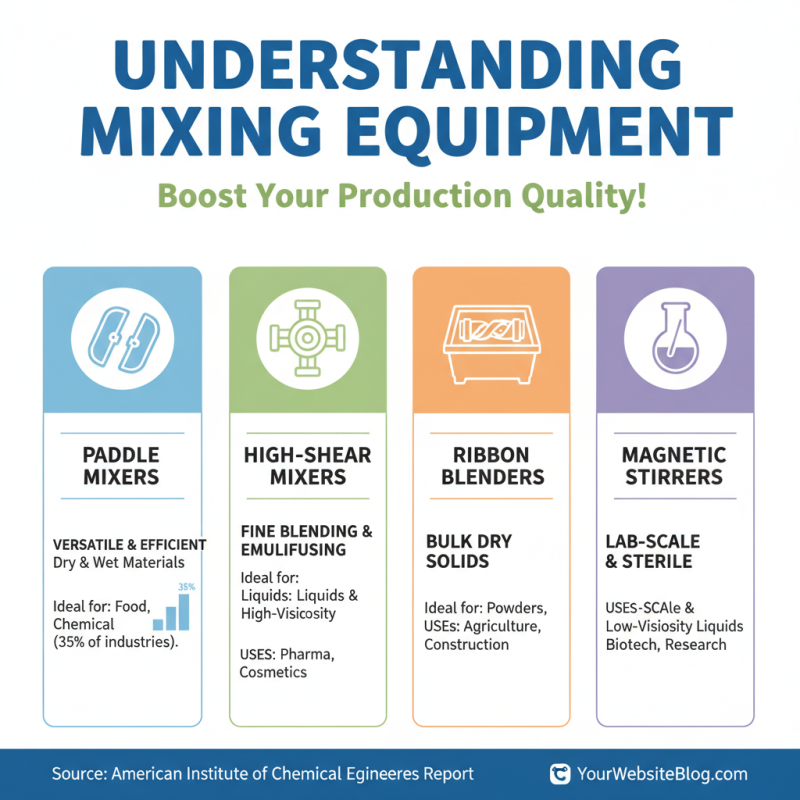
Choosing the right mixing equipment can significantly impact your production quality. Various types exist, each tailored for specific needs. For instance, a report by the American Institute of Chemical Engineers highlights that 35% of industries prefer paddle mixers for their efficiency and versatility. These mixers excel in combining dry and wet materials seamlessly, making them popular in food and chemical sectors.
Additionally, high-shear mixers have gained traction. They work by applying high forces to liquids, ensuring a uniform blend. According to a study published in the Journal of Industrial Mixing, 42% of manufacturers cite this type as ideal for emulsions and dispersions. They are also known for their rapid mixing capabilities, crucial in a fast-paced production environment. However, users must be wary; poor maintenance can lead to inconsistent results.
On the other hand, there are some drawbacks worth considering. The initial investment for specialized mixers can be steep. Mistakes in selecting the right type may affect production schedules. A survey from Mixing Magazine revealed that 28% of industries faced downtime due to mismanaged equipment choices. Balancing cost and performance is crucial in this selection process.
Key Factors to Consider When Choosing Mixing Equipment
Choosing the right mixing equipment is critical in many industries. Various factors come into play when making this decision. First, you should assess the type of materials you'll be mixing. For viscous materials, higher shear rates may be necessary. According to industry reports, 70% of mixing inefficiencies are linked to improper equipment selection. Understanding your unique material properties leads to better mixing outcomes.
Capacity is another vital aspect. It’s important to know how much product needs to be mixed at any one time. If your capacity requirements grow, you may need a scalable solution. Research suggests that equipment choices can impact production efficiency by up to 40%. Analyzing your current and future production demands can help you avoid costly mistakes.
Additionally, consider ease of cleaning and maintenance. According to a survey, 60% of manufacturers face production delays due to equipment downtimes. Opting for equipment that simplifies these processes can significantly benefit productivity. Furthermore, lack of user-friendly features often leads to operator errors. Investing time to evaluate these practical considerations can save resources and enhance performance.
Assessing the Scale and Capacity Needs for Mixing Processes
Choosing the right mixing equipment requires careful consideration of your specific scale and capacity needs. Whether you operate on a small batch level or a large industrial scale, understanding these needs is crucial. A thorough assessment of your mixing processes will help you determine the appropriate equipment that meets your requirements. Mixing volume, viscosity, and batch frequency are all vital factors.
One important tip is to evaluate the production goals you have. Are you looking to increase efficiency? Consider equipment designed for quick changeovers. You may find that flexibility in your mixing processes can enhance productivity. Additionally, assess the types of materials you will be mixing. Some materials may require specialized mixing techniques that standard equipment cannot provide.
It's also essential to think about your space constraints. Larger equipment may offer high capacity, but they might not fit in your facility. Juggling dimensions and capacities can be tricky. Reflect on your long-term needs too. A piece of equipment that meets today's demands might not be suitable tomorrow. Always project future growth when selecting your mixing equipment.
Importance of Maintenance and Support for Mixing Equipment Selection
Selecting the right mixing equipment involves more than just initial choices. Maintenance and support play a crucial role. Without proper upkeep, even the best equipment can falter. Frequent maintenance checks can prevent unexpected breakdowns. Monitoring wear and tear enhances reliability.
The choice of equipment should include evaluating support services. A manufacturer that provides strong customer service can be invaluable. Quick access to expert advice is paramount during a crisis. Delayed responses can lead to production halts and financial losses.
Additionally, consider the availability of spare parts. A lack of components can result in extended downtimes. It’s essential to weigh the long-term implications of equipment selection. A potential cost-saving might become a financial burden without the right support system. Careful attention to these details can transform mixing equipment choices from a simple transaction into a strategic investment.
Mixing Equipment Performance Factors
This chart illustrates the key performance factors when selecting mixing equipment. The importance level ranges from 1 to 10, with higher values indicating greater importance in the selection process. Factors such as agitation speed and viscosity handling are critical for optimal mixing results.