Top 10 Crushing Equipment for Enhanced Material Processing Efficiency?
In today’s fast-paced industry, effective material processing is crucial. Crushing Equipment plays a significant role in achieving enhanced efficiency. According to John Smith, a leading expert in the field, "Investing in the right crushing equipment can transform your operational capabilities." This insight underscores the importance of selecting the proper tools.
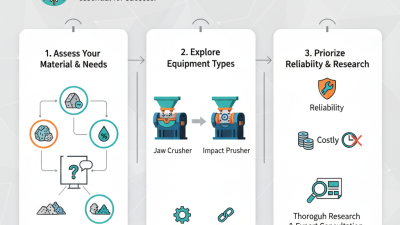
The market offers a variety of crushing equipment options. Each piece serves a unique purpose, from jaw crushers to impact crushers. However, not every choice meets the specific needs of a project. Companies must evaluate their requirements carefully. A mistake in this decision can lead to costly downtime and inefficient processes.
Embracing advanced technology and user feedback is vital in this sector. As John Smith notes, continuous improvement is key. Reliably transforming materials requires adaptive strategies. Thus, understanding the landscape of crushing equipment is essential for any business aiming for success in material processing.
Top 10 Types of Crushing Equipment for Efficient Material Processing
Crushing equipment plays a vital role in material processing. Choosing the right type can significantly improve efficiency. There are various types of crushing equipment, each designed for different materials and purposes. Understanding these types is crucial for optimizing operations.
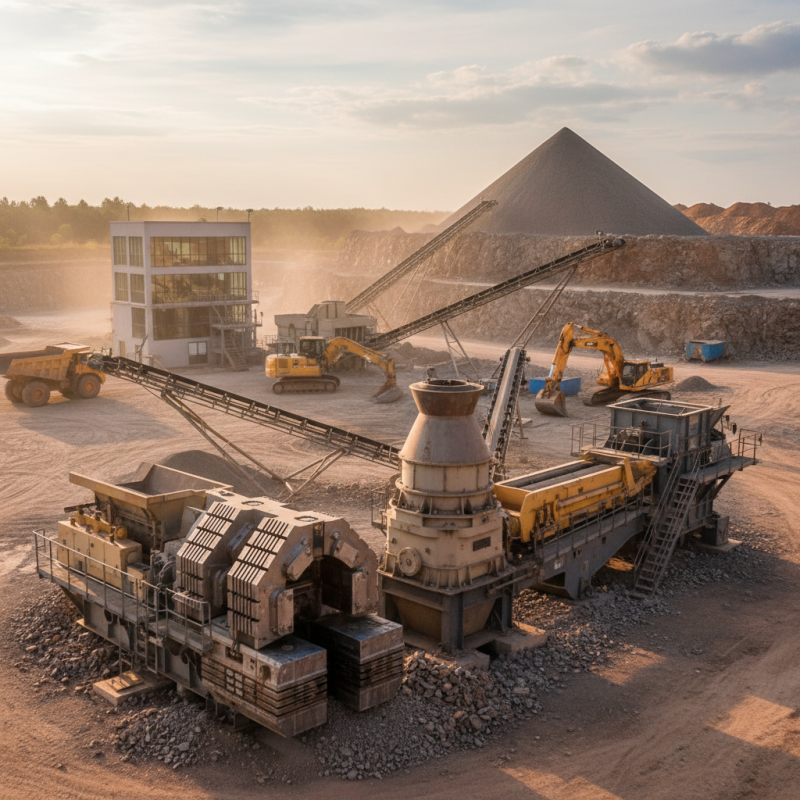
Jaw crushers are popular for their reliability and efficiency. They can crush large materials into smaller pieces. This makes them ideal for initial processing stages. Cone crushers, on the other hand, are suited for secondary and tertiary crushing. They produce finer materials and are efficient in reducing particle size. Impact crushers excel at breaking down softer materials quickly, making them versatile in various industries.
Choosing the right crushing equipment requires careful consideration. Each type has strengths and limitations. For instance, while jaw crushers handle tough materials well, they may struggle with softer ones. Operators must reflect on material types, desired sizes, and processing goals. This reflection can prevent costly inefficiencies in operations.
Top 10 Crushing Equipment for Enhanced Material Processing Efficiency
Key Features to Consider When Selecting Crushing Equipment
When selecting crushing equipment, several key features must be considered to enhance material processing efficiency. The type of material being crushed plays a crucial role. For instance, softer materials may require less robust systems, while harder materials need more resilient machines. According to industry reports, equipment capable of handling a variety of material types can increase operational flexibility by up to 30%.
Another important factor is the crushing capacity. Different equipment offers various throughput rates. A higher capacity can significantly reduce processing time, which is vital for meeting production goals. For example, crushing equipment with a capacity exceeding 200 tons per hour can lead to a 25% improvement in overall productivity.
**Tip:** Evaluate your material characteristics thoroughly. This helps in choosing the right crusher to avoid frequent breakdowns.
Energy efficiency is also a pivotal feature. Machines that consume less energy while maintaining performance can cut operational costs. Reports indicate that energy-efficient crushing systems reduce energy consumption by 20% compared to standard models. However, miscalculations in power requirements can lead to inefficiencies.
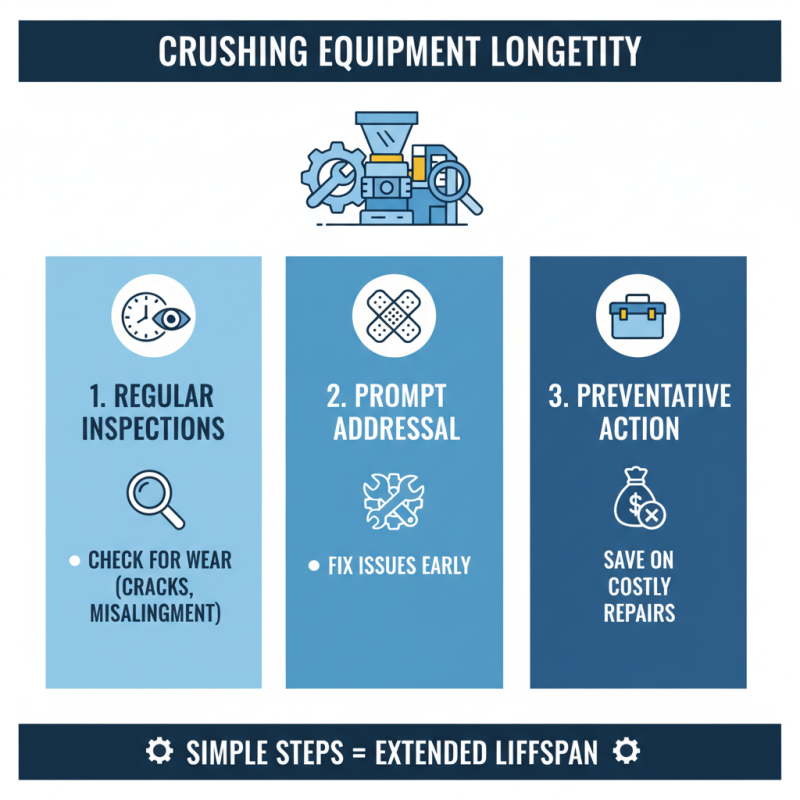
**Tip:** Regular maintenance assessments can prevent unexpected failures and ensure peak performance.
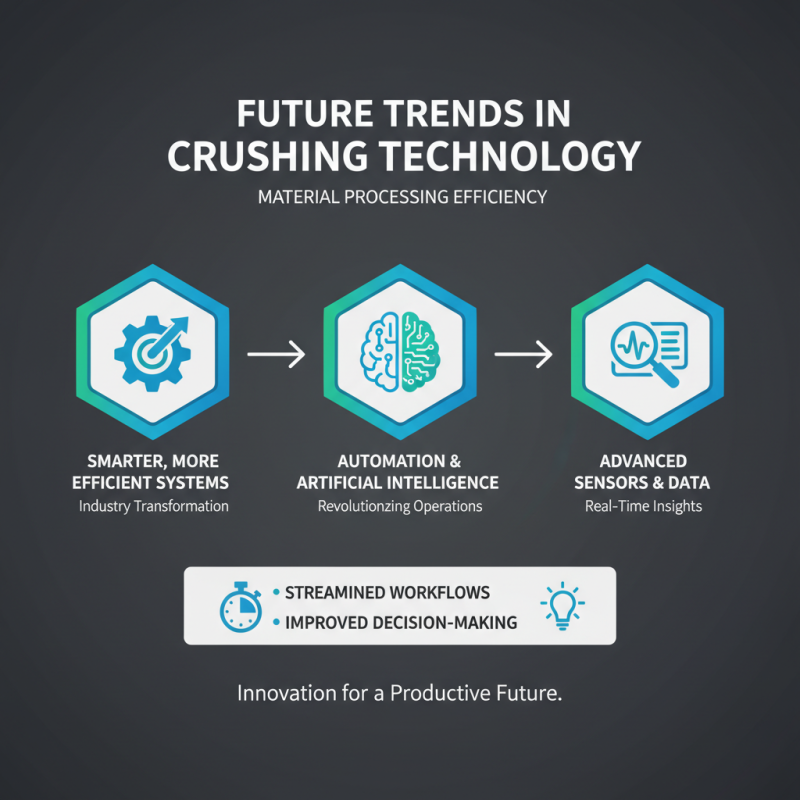
Ultimately, consider automation features. Advanced systems can optimize the crushing process and provide real-time data analytics. This capability not only enhances safety but also improves decision-making, making the operations more responsive to fluctuations in material characteristics.
Comparative Analysis of Popular Crushing Equipment Models
In the world of material processing, crushing equipment plays a pivotal role. Various models boast unique features, shapes, and sizes. Some are designed for heavy-duty tasks, while others are more versatile. It's essential to understand these differences to enhance efficiency.
When evaluating popular crushing equipment, performance and durability stand out. Some machines excel in reducing large materials into smaller, manageable pieces. They exhibit varied mechanisms—jaw, impact, and cone crushing are standard. Each has its advantages. For instance, jaw crushers often deliver powerful initial breaking, yet some users report maintenance challenges. Their wear parts may require frequent replacements, leading to downtime.
Efficiency is critical. Certain models can handle high throughput, but their power consumption might rise steeply. It’s a balancing act. Some operators prefer machines that consume less energy yet sacrifice speed. This trade-off prompts reflection on specific operational needs. The right choice varies by project, and sometimes the most expensive equipment isn’t always the best fit. Understanding these nuances is vital for making informed decisions.
Future Trends in Crushing Technology for Material Processing Efficiency
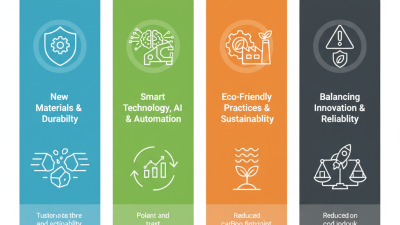
Crushing technology plays a vital role in material processing efficiency. The drive towards smarter, more efficient systems is reshaping the industry. Innovations in automation and artificial intelligence are set to revolutionize operations. Advanced sensors can provide real-time data, streamlining workflows and improving decision-making.
Sustainability is another key trend. Eco-friendly solutions are gaining traction. Manufacturers are exploring energy-efficient designs. This shift not only reduces costs but also meets the demand for greener practices. However, achieving this balance between efficiency and sustainability can be challenging. Industries must rethink their processes to adapt.
Moreover, mobile crushing solutions are on the rise. These options offer flexibility and quick setup, catering to various project scales. Yet, they may lack the power of stationary systems. This trade-off prompts a reevaluation of project needs and resource allocation. As technology evolves, staying informed will be crucial for maximizing operational effectiveness.