Top 10 Mixing Equipment Choices for Efficient Industrial Processes?
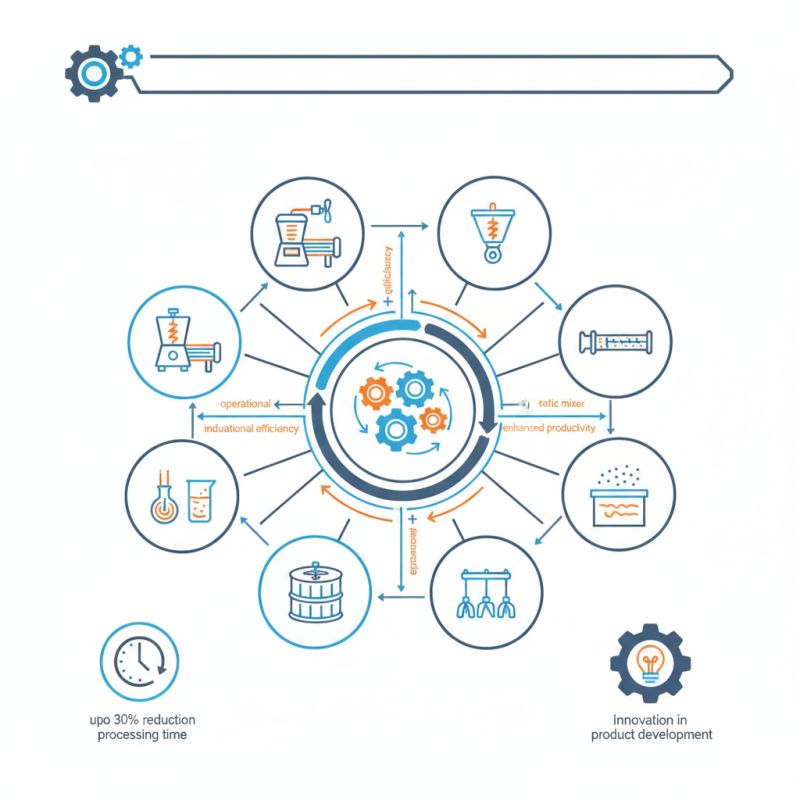
In today's fast-paced industrial landscape, selecting the right mixing equipment is critical for operational efficiency. A recent report from the International Mixing Equipment Association highlights that effective mixing can reduce processing times by up to 30%. This data underscores the value of well-chosen equipment in enhancing productivity and product quality.
Industry expert Dr. John Smith, a recognized authority in mixing technology, emphasizes, “The right mixing equipment not only improves consistency but also drives innovation in product development.” His insights shed light on the intricate balance between technology and process optimization, which is crucial for manufacturers aiming for a competitive edge in their markets.
However, choosing the right equipment can be daunting. Many firms grapple with the overwhelming variety of available options. It invites reflection on whether companies are truly maximizing returns on their investments. As the industry evolves, understanding the full spectrum of mixing equipment becomes essential for future success.
Overview of Industrial Mixing Equipment Types
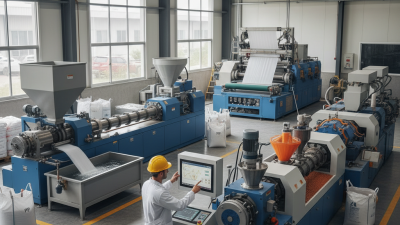
Industrial mixing equipment plays a crucial role in various processes. Common types include batch mixers, continuous mixers, and agitators. Each type serves specific purposes, depending on the material and desired outcome. For example, batch mixers are ideal for small quantities of materials, while continuous mixers are designed for large volumes.
Agitators facilitate mixing by creating fluid motion. They can work with liquids, powders, or slurries. These devices vary in size and complexity. Their efficiency largely depends on the design, impeller type, and speed settings. Sometimes, selecting the right agitator can be challenging.
Factors such as viscosity and density of materials may complicate the choice.
Another option is high-shear mixers. These are used for emulsifying and dispersing substances effectively. They can produce finer mixtures than other types. However, their operational costs and maintenance demand careful management.
Mixing equipment demands attention to detail, as the wrong choice can hinder process efficiency. Effective mixing is vital for product quality.
Factors to Consider When Choosing Mixing Equipment
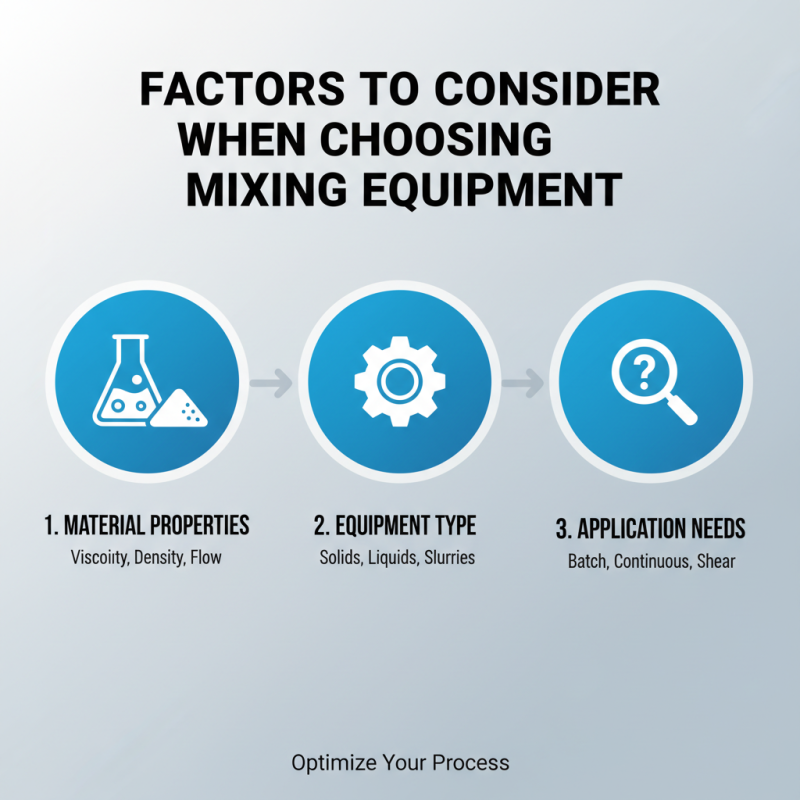
When selecting mixing equipment, several crucial factors come into play. One primary consideration is the nature of the materials being processed. Different substances have varying viscosities, densities, and flow properties. A piece of equipment that works well for solids may not be suitable for liquids. Understanding the physical properties of your materials can help streamline the selection process.
Another important factor is the scale of production. Batch mixing and continuous mixing equipment serve distinct purposes. If your processes demand flexibility, batch mixers might be ideal. Conversely, continuous mixers enhance efficiency for high-volume production. Consider the operational space as well. Equipment that doesn’t fit well can lead to inefficiencies and increased costs.
Maintenance needs also warrant attention. Regular upkeep is essential for optimal performance. However, some equipment designs make maintenance easier than others. Assess the accessibility of key components. This ensures that any downtime is minimal. Reliability is paramount in industrial processes. Investing in robust equipment can result in fewer breakdowns, ultimately enhancing productivity.
Top 10 Mixing Equipment Options for Various Industries
In today's manufacturing landscape, choosing the right mixing equipment is crucial. Each industry has unique needs. According to a recent report by MarketsandMarkets, the global mixing equipment market is expected to grow significantly, driven by various industrial applications. This growth emphasizes the importance of selecting equipment tailored to specific processes.
For food and beverage production, homogenizers and blenders offer effective solutions. These tools ensure consistent texture and flavor distribution. In the pharmaceutical sector, high-shear mixers are essential. They provide uniformity and enhance product stability. The chemical industry often relies on agitators and paddle mixers for efficient blending of viscous materials. This variability demands equipment that excels in performance and adaptability.
Tip: Regularly maintain your equipment to avoid leaks and breakdowns. Downtime can be costly. Also, consider investing in technology that allows for real-time monitoring. This can help in making adjustments quickly. Striking a balance between efficiency and reliability is a constant reflection point. Be aware that even the best equipment may not perform optimally under all conditions.
Overall, selecting the right mixing equipment involves understanding the specific needs and challenges of your industry. Investing time in research and evaluation can lead to improved processes and outcomes.
Efficiency and Performance Metrics for Mixing Equipment
Mixing equipment plays a vital role in industrial processes. Choosing the right equipment can significantly impact
efficiency and product quality. According to a recent report by the International Journal of Chemical Engineering,
proper mixing can increase production efficiency by up to 30%.
Factors contributing to this include the type of mixer, the design, and its operational parameters.
When evaluating mixing equipment, metrics such as mixing time, energy consumption, and uniformity of the mixture should be prioritized.
A study published in the Journal of Manufacturing Processes showed that inadequate mixing can lead to inconsistencies, resulting in up to
15% product waste. Reducing energy consumption is another key area.
Efficient mixers can lower energy use by as much as 25%, translating to reduced operational costs.
Another aspect to consider is maintenance. Equipment that requires frequent repairs can decrease overall productivity.
Some organizations find themselves stuck with outdated machines, which hampers performance. Regular assessments of mixing technology
are essential to ensure optimal workflow. Making informed decisions based on data-driven metrics not only enhances efficiency but also supports
sustainability in industrial operations.
Maintenance Best Practices for Industrial Mixing Machines
Maintaining industrial mixing machines is crucial for efficient processes. Regular maintenance can extend equipment life and enhance performance. A study from the International Journal of Industrial Engineering estimates that proper upkeep can reduce downtime by up to 30%, directly impacting productivity.
Inspecting seals and gaskets is essential. Regular checks prevent leaks, which can lead to material wastage and contamination. Neglecting these components can result in costly repairs. Incorporating a standardized inspection routine can help identify issues early.
Tip: Schedule monthly inspections for crucial parts. Develop a checklist to systematically assess the equipment condition. This simple practice can prevent significant failures.
Temperature and vibration monitoring are also vital. Unusual vibrations may signal misalignment or wear. The American Society of Mechanical Engineers suggests using vibration analysis tools. This can detect problems before they escalate.
Tip: Implement real-time monitoring systems. This can provide immediate alerts, allowing for swift action. Early intervention is key to operational efficiency.
Remember, it’s easy to overlook the small details. Regular training for staff on maintenance protocols can cultivate a culture of care around these machines.
Top 10 Mixing Equipment Choices for Efficient Industrial Processes
| Mixing Equipment Type |
Application |
Key Features |
Maintenance Frequency |
Typical Lifespan |
| Planetary Mixers |
Food, Chemical |
High shear, uniform mixing |
Weekly |
5-10 years |
| Ribbon Blenders |
Powder, Granules |
Highly effective for bulk mixing |
Monthly |
10-15 years |
| High-Shear Mixers |
Cosmetics, Pharmaceuticals |
Emulsification, dispersion |
Bi-weekly |
5-7 years |
| Agitators |
Liquid, Slurries |
Versatile, scalable |
Monthly |
15+ years |
| Static Mixers |
Chemicals, Fuels |
No moving parts, low maintenance |
Annual |
20+ years |
| Tumbling Mixers |
Granular Materials |
Gentle mixing |
Weekly |
10-12 years |
| Drum Mixers |
Liquids, Pastes |
Easy batch processing |
Every 3 months |
8-12 years |
| Paddle Mixers |
Heavy-duty materials |
Homogeneous mixing |
Monthly |
15+ years |
| Vertical Mixers |
Granular/Powder |
Intensive mixing |
Bi-weekly |
10-15 years |
| Cone Mixers |
Dry Powder |
Gentle blending |
Monthly |
15 years |