2026 Best Automated Case Packer Options for Efficient Packaging Solutions?
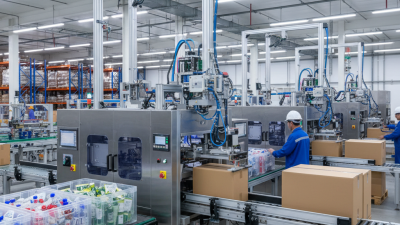
In the fast-evolving packaging industry, the demand for efficient solutions is paramount. As we approach 2026, the spotlight is on "Automated Case Packers." These machines streamline packaging processes, enhance productivity, and transform operations. Industry expert Sarah Johnson states, "Automated Case Packers are redefining efficiency in packaging." Her insight reflects the growing trend toward automation.
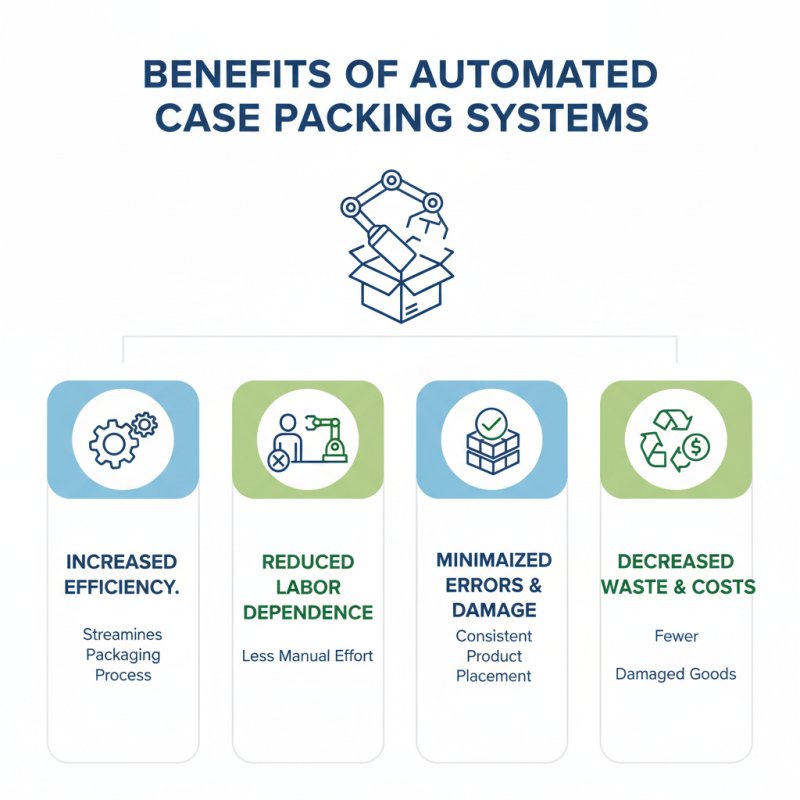
Automation not only reduces labor costs but also minimizes errors. In industries from food to pharmaceuticals, companies are making significant investments in this technology. However, choosing the right Automated Case Packer can be challenging for many. Factors like speed, flexibility, and scalability must be considered carefully. Each company has unique needs, which means a one-size-fits-all approach may not work.
The future of packaging relies on innovation. Yet, it is crucial to consider the human element. While machines enhance processes, thoughtful integration with existing systems is necessary. Businesses must reflect on their specific challenges and how an Automated Case Packer can address them. This balance between technology and human insight will define successful packaging strategies in the coming years.
Overview of Automated Case Packer Technology
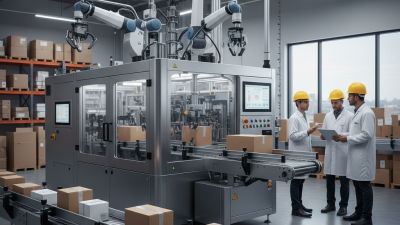
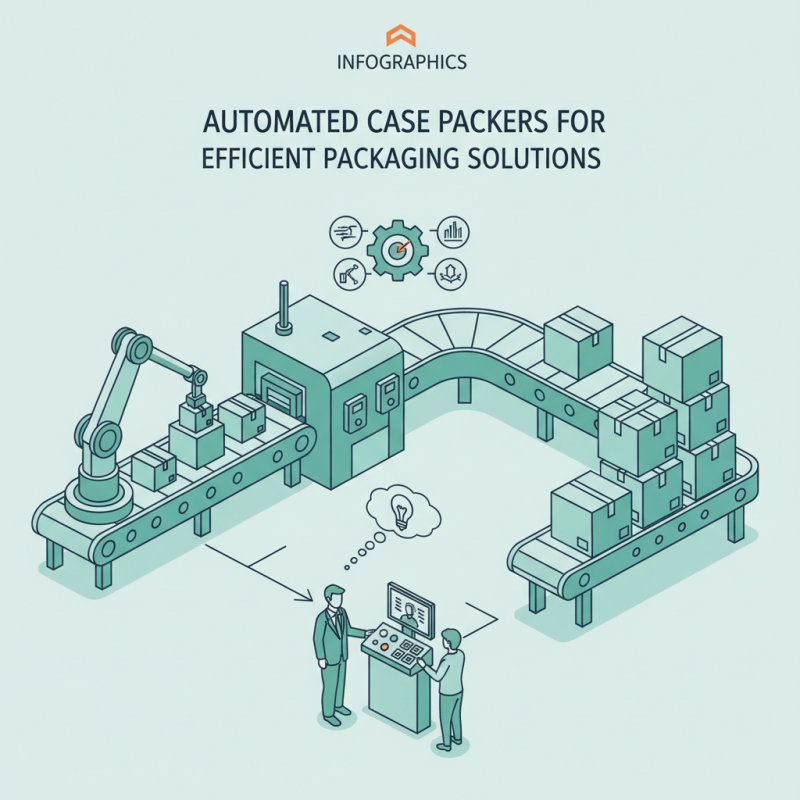
Automated case packer technology has revolutionized the packaging industry. This technology streamlines the packing process, reducing labor costs and increasing efficiency. Companies can now achieve higher output rates while maintaining quality. With various designs available, these machines can adapt to different product types and packaging requirements.
Many automated case packers employ advanced robotics for precision. They ensure that each case is packed uniformly, minimizing product damage. However, selecting the right machine can be challenging. Factors such as speed, size adaptability, and ease of maintenance must be considered. It's crucial to evaluate the specific needs of your operation before making a choice.
Some businesses struggle to integrate these systems effectively. Misalignments and software hiccups can occur, causing delays. Constant training for staff is necessary to ensure smooth operation. Additionally, maintenance is vital to prevent unexpected downtimes. As the industry evolves, staying updated with technological advancements becomes essential for maximizing efficiency.
2026 Best Automated Case Packer Options
Key Features to Consider in Automated Case Packers
Automated case packers are transforming the packaging landscape. Efficiency is the driving force behind this shift. These machines streamline operations, reduce labor costs, and enhance packaging speed. According to a recent industry report, companies that adopt automation see a 30% increase in productivity. However, it's not just about speed.
When considering automated case packers, several key features stand out. Flexibility is crucial; machines should adapt to different product sizes and shapes. This adaptability allows companies to meet varying market demands without significant downtime. Additionally, ease of maintenance is essential, as prolonged machine failures can severely disrupt production. Reports indicate that around 20% of production downtime is related to equipment issues.
Additionally, integration capabilities cannot be overlooked. The ability to work seamlessly with existing production lines is vital. Companies often struggle to implement new systems that don't mesh well, leading to inefficiencies. Not every automated case packer offers robust integration features, which can be a critical drawback. Understanding these intricate details is necessary for making informed choices in automated packaging solutions.
Top Brands and Models in Automated Case Packing
When considering automated case packers, it's crucial to explore a range of brands and models. Each option offers unique features designed for efficiency and reliability. These systems can significantly reduce labor costs and improve packaging speed. Their designs often include adjustable settings to handle various product dimensions.
Selecting the right case packer requires understanding your production line needs. Consider factors such as the type of products being packed and the volume of output required. It’s not just about speed; precision matters. An inefficient machine can lead to wasted materials and increased costs.
Tips: Evaluate the flexibility of the equipment. Can it adapt to different product sizes? This can enhance your operational agility.
Researching user reviews can provide valuable insights. Look into real-world applications and how well the machines perform over time. A well-reviewed model can often indicate reliability, though each setup will have its quirks.
Lastly, don't overlook the importance of support and maintenance. Machines require upkeep, and reliable service can save time and money. Check if the manufacturer offers training and after-sales support. It might not be perfect, but investing in a robust support system is wise for long-term success.
Future Trends in Automated Case Packing Solutions
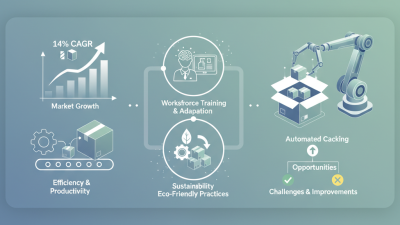
The future of automated case packing solutions is bright and filled with innovation. Recent reports indicate that the automated packaging market is projected to grow at a staggering CAGR of 8.7% from 2021 to 2028. As industries evolve, the need for efficient packaging solutions continues to rise. Technology advancements are driving this trend, enabling higher packing speeds and increased accuracy.
In particular, artificial intelligence and machine learning are making waves. These technologies optimize packing processes by analyzing data and enhancing decision-making. It's estimated that AI can reduce packing errors by up to 25%. Companies are benefitting from improved workflow efficiency and reduced labor costs. However, integrating these technologies sometimes reveals unforeseen challenges. Many companies struggle with the initial costs and complexities of automation.
Sustainability also plays a crucial role in shaping future packing trends. Reports suggest that nearly 70% of consumers prefer sustainable packaging. This shift compels manufacturers to innovate and rethink their packaging materials. Using eco-friendly options, such as biodegradable films, could become the norm. Nonetheless, transitioning to sustainable materials completely requires significant investment and adaptation, which can be daunting for some.