Why Choosing a Belt Sealing Machine Can Boost Your Production Efficiency?
In today's fast-paced manufacturing landscape, efficiency is paramount. The Belt Sealing Machine plays a crucial role in enhancing production capabilities. As industry expert John Smith, a leading figure in packaging solutions, states, "A reliable sealing process is the backbone of efficient production." This highlights the importance of choosing the right equipment.
Belt Sealing Machines streamline operations, improve sealing quality, and reduce labor costs. These machines are designed for various products and materials, ensuring versatility. However, businesses often overlook the long-term benefits. Initial investment can seem daunting, yet the return on investment is significant. High-quality seals prevent product leaks and enhance shelf life, which directly impacts profitability.
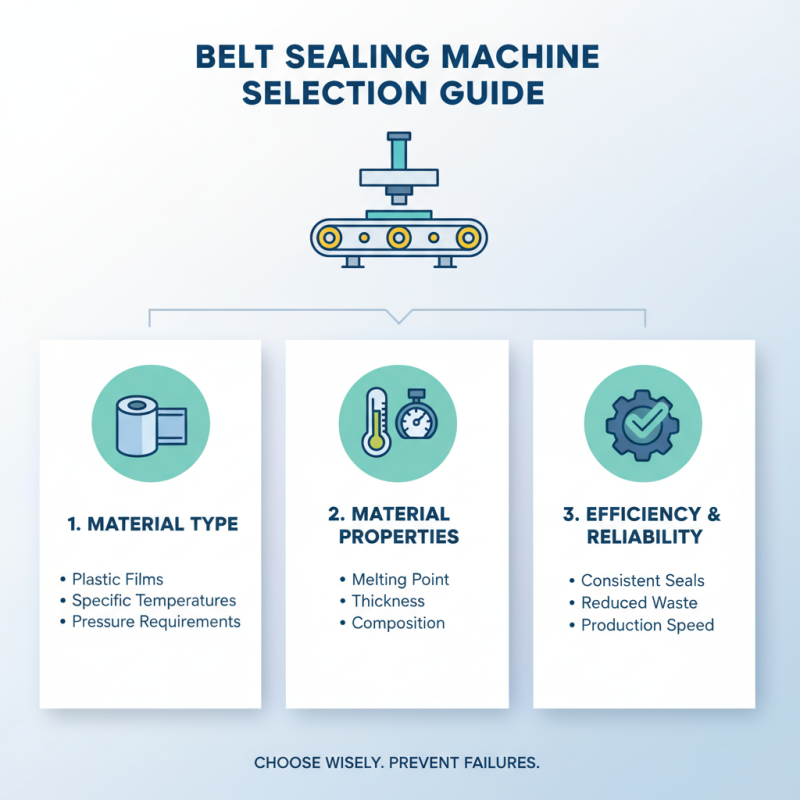
While there are many options available, choosing the right Belt Sealing Machine requires careful consideration. Not all machines fit every production line perfectly. It is essential to identify specific needs before making a decision. This reflection can lead to better choices, driving efficiency and improving overall productivity.
Understanding Belt Sealing Machines and Their Functionality
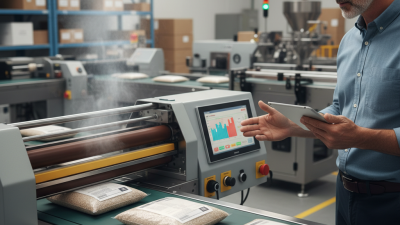
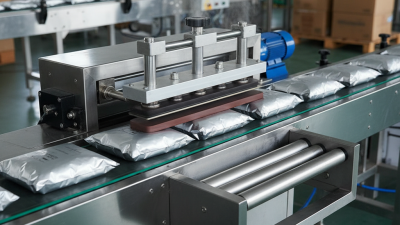
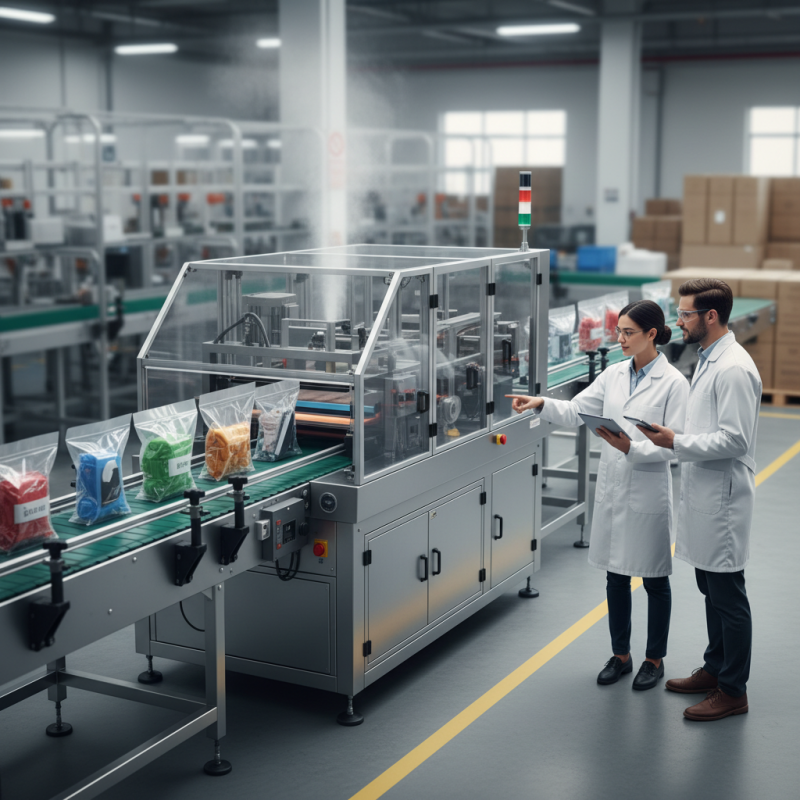
Belt sealing machines play a crucial role in modern packaging processes. They create secure seals for bags and pouches, reducing the risk of product contamination. A good seal ensures freshness and quality, which is essential in various industries. These machines offer speed and consistency, improving production efficiency.
Understanding the functionality of belt sealing machines is important. They use heat to bond materials together. This process can be adjusted based on the type of packaging material. Operators should monitor the seal's integrity and adjust settings accordingly. Fluctuations in temperature or pressure can lead to weak seals, affecting quality.
**Tips:** Regular maintenance is key. Check the heating elements and keep surfaces clean. If you notice inconsistent seals, troubleshoot immediately. Proper training for operators can also enhance efficiency. Understanding material compatibility is vital for optimal results. Choose the right sealing temperature to avoid burning or inadequate seals.
Key Benefits of Using Belt Sealing Machines in Production Processes
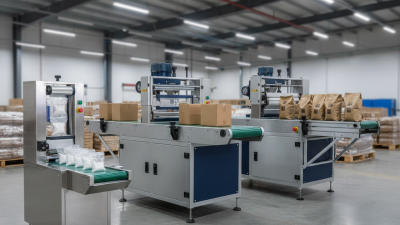
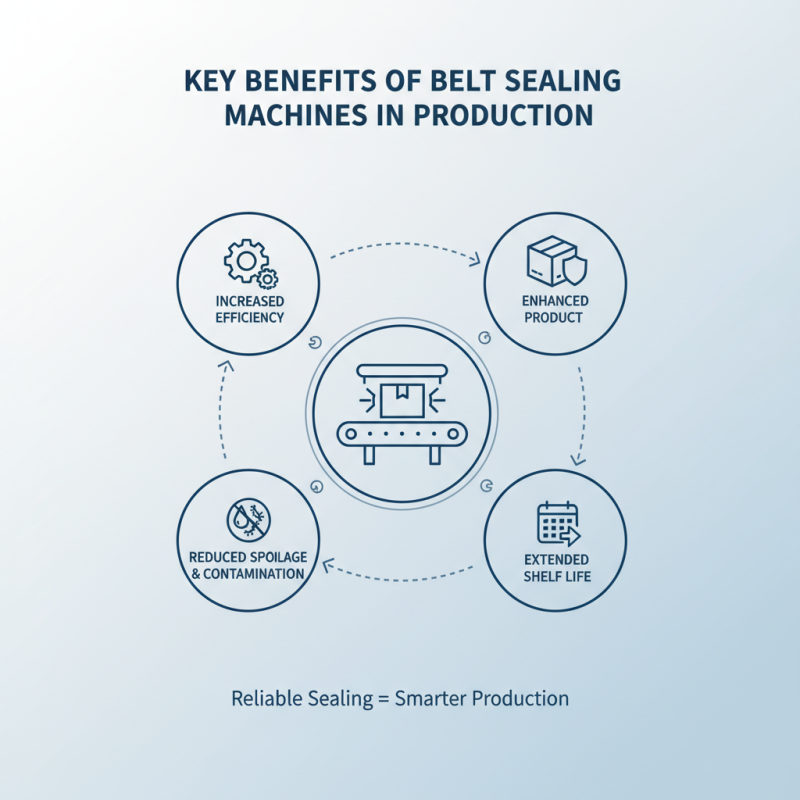
Belt sealing machines have become vital in enhancing production efficiency across various industries. These machines are designed to create a strong seal on packages, which is crucial for maintaining product quality. The reliability of a belt sealing machine can significantly reduce the likelihood of product spoilage. For example, a well-sealed package prevents moisture and contaminants from entering, thereby extending shelf life.
One notable advantage of using belt sealing machines is their speed. They can seal multiple packages in a short timeframe, allowing for a quicker turnaround in production. However, it's important to regularly check the machine’s settings and operation. A poorly adjusted machine might create weak seals, leading to increased waste and rework. Additionally, operators must be trained properly. Without understanding the machine’s functions, production might slow down rather than speed up.
Moreover, belt sealing machines offer versatility in the types of materials they can seal. From plastic to various types of films, these machines adapt to different packaging needs. Yet, this flexibility sometimes leads to challenges. Operators must be cautious about material compatibility. Sealing the wrong type of material could lead to inefficiencies and even damage to the product. Familiarity with these nuances ensures a smoother production process.
Comparing Belt Sealing Machines to Traditional Sealing Methods
Belt sealing machines have gained traction in various industries due to their efficiency and reliability. Unlike traditional sealing methods, which often rely on manual labor or outdated technology, belt sealing machines automate the process. This enhances productivity and reduces the potential for human error. A recent industry report indicated that businesses adopting these machines can see production efficiency increase by 30-50%. Such a substantial boost highlights the advantage of technology in modern manufacturing.
Traditional sealing methods can be slow and inconsistent. Employees may struggle with repetitive tasks, leading to fatigue and mistakes. In contrast, belt sealing machines provide uniformity and speed. They work continuously without needing breaks, ensuring a steady output. According to a survey of manufacturing facilities, 65% of operators noted a decrease in downtime with automated sealing systems compared to manual sealing processes.
Despite these advantages, transitioning to belt sealing machines isn't without challenges. Some companies face high initial costs and a learning curve for staff. Continuous maintenance is essential to ensure optimal performance. Experts suggest evaluating your specific needs and potential ROI before making the switch. Only then can companies determine if the benefits of a belt sealing machine outweigh the drawbacks.
Why Choosing a Belt Sealing Machine Can Boost Your Production Efficiency? - Comparing Belt Sealing Machines to Traditional Sealing Methods
| Feature |
Belt Sealing Machine |
Traditional Sealing Methods |
| Sealing Speed |
Up to 100 packages/min |
20-30 packages/min |
| Energy Efficiency |
Lower energy consumption |
Higher energy consumption |
| Maintenance |
Requires less frequent maintenance |
More frequent maintenance needed |
| Flexibility |
Versatile for various package sizes |
Limited to specific sizes |
| Seal Quality |
High-quality, consistent seals |
Quality may vary |
| Labor Requirements |
Fewer operators needed |
More operators required |
Case Studies: Successful Implementation of Belt Sealing Machines
Implementing belt sealing machines can significantly enhance production efficiency. Various industries have reported notable improvements after integrating this technology. For instance, a packaging company that adopted a belt sealing machine cut its sealing time by half. This quickens the entire packaging process. Staff can focus more on quality control. The machine operates consistently, minimizing human error.
Another case involved a food production facility. They faced frequent downtimes due to manual sealing. Transitioning to a belt sealing system reduced these downtimes considerably. The facility increased output by 30%. Workers also expressed a positive shift in morale. They valued the ease of use and reliability of the new equipment.
Some challenges surface during implementation. Training staff on new machinery takes time. Initial costs can seem high. Companies must evaluate the return on investment. Yet, the long-term benefits often surpass the hurdles. Decision-makers should weigh these factors carefully.