Top Extrusion Equipment for Efficient Manufacturing Solutions?
In the competitive landscape of manufacturing, the importance of top extrusion equipment cannot be overstated. According to John Smith, a leading expert in the extrusion industry, "Investing in advanced extrusion equipment is key to staying ahead." This reflects the critical role that efficient manufacturing solutions play.
Extrusion equipment serves a variety of industries, from plastics to food processing. Efficient machinery can streamline production and enhance product quality. However, not all equipment is created equal. Companies must carefully assess their specific needs and production goals. Some may be tempted by lower-cost options, but this can lead to inefficiencies and higher long-term costs.
Moreover, the rapid advancements in extrusion technology can be overwhelming. Businesses often struggle to determine the best solutions for their unique applications. It's essential to stay informed about the latest trends and innovations in extrusion equipment. By doing so, manufacturers can make informed choices that foster growth and efficiency in their operations.
Overview of Extrusion Equipment in Manufacturing
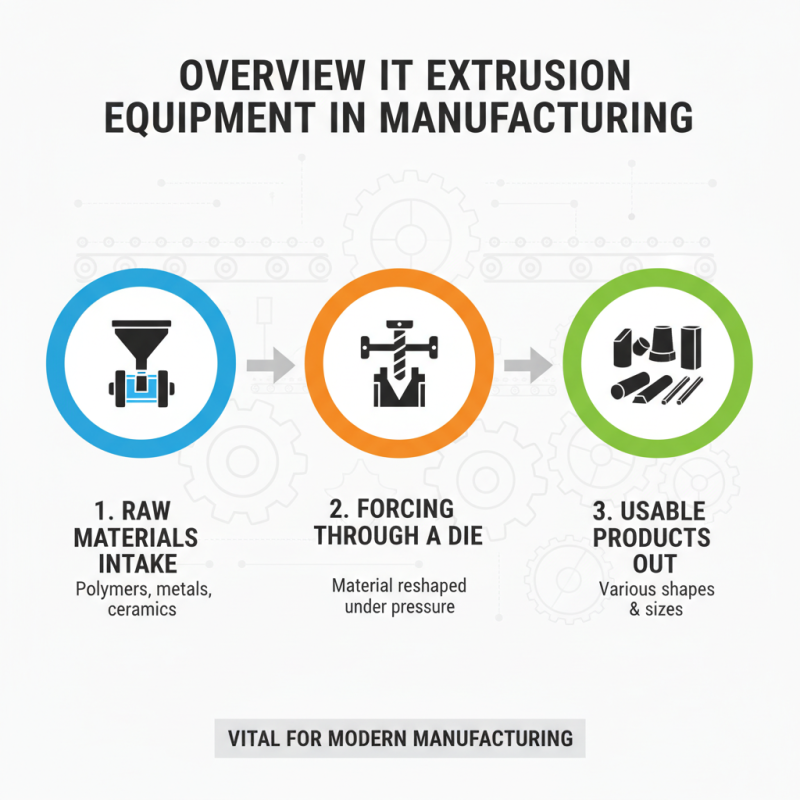
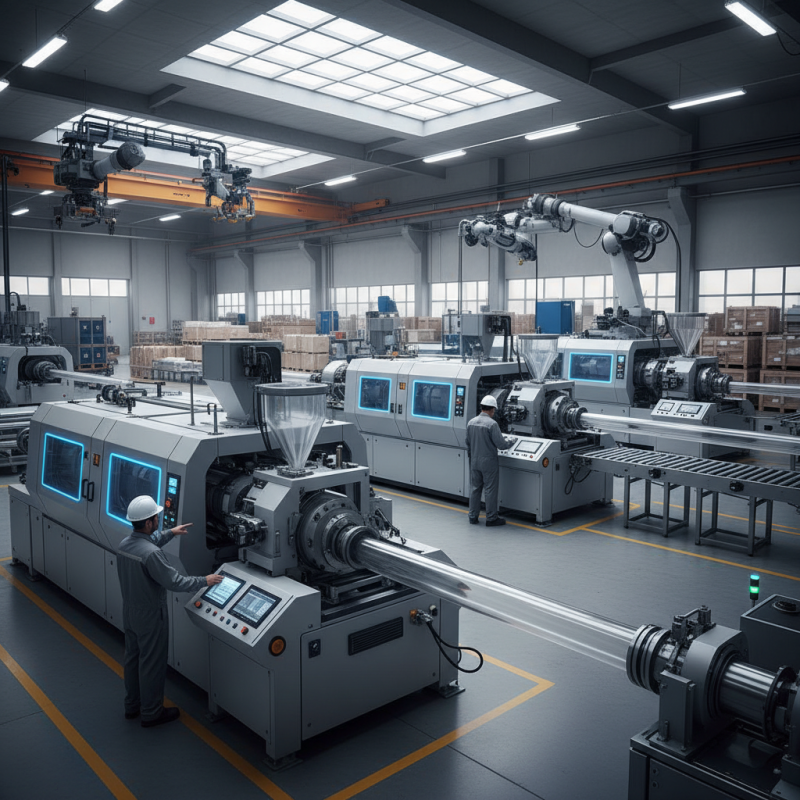
Extrusion equipment plays a vital role in modern manufacturing processes. This technology is utilized to transform raw materials into usable products. The process involves forcing material through a die. As a result, manufacturers can create items in various shapes and sizes.
One common challenge in extrusion is temperature control. Maintaining proper temperatures is essential for consistency. If temperatures fluctuate, the quality of the final product can suffer. Operators must monitor these conditions closely. Another issue is material feed. If the feed rate is incorrect, it can lead to defects.
Investing in high-quality extrusion equipment can enhance efficiency. While many devices boast advanced features, some may not meet specific needs. It’s crucial to assess your production goals carefully. Consider material types, desired output, and space limitations. Regular maintenance also plays a significant role in performance. It is easy to overlook this aspect, yet it impacts longevity.
Types of Extrusion Processes and Their Applications
Extrusion processes have become vital in various manufacturing sectors. They are widely used to shape materials, especially plastics and metals. According to the American Society of Mechanical Engineers, the extrusion market is forecasted to grow by 5.5% annually, reflecting industry demand. These processes are not only efficient but also cost-effective.
There are several types of extrusion processes, each suited for specific applications. For instance, direct extrusion pushes material through a die. This method is common in aluminum shaping. In contrast, indirect extrusion involves pushing the die into the material. This offers better control over the final shape, often used in high-precision applications. Each method has its strengths and weaknesses. Choosing the right process can be challenging, as it often requires balancing factors like cost, time, and the desired properties of the final product.
Thermoforming and cold extrusion are other popular methods. Thermoforming uses heat to make plastic sheets pliable before molding. Cold extrusion, on the other hand, works at room temperature, offering benefits like increased strength and reduced waste. Yet, both methods have limitations. Manufacturers must navigate these to meet industry standards effectively. Understanding these nuances is crucial to developing efficient manufacturing solutions.
Key Features of High-Performance Extrusion Machines
When discussing high-performance extrusion machines, several key features stand out. These machines are designed for efficiency and precision. Their ability to maintain consistent temperatures is crucial. Temperature control directly affects material properties. A stable environment reduces waste and ensures quality.
Another vital aspect is the equipment’s adaptability. High-performance extrusion machines can process a variety of materials. They handle everything from plastics to metals. Flexibility allows manufacturers to meet diverse production needs. However, not all machines perform equally under different conditions. Some adjustments may be necessary to optimize output.
Automation plays a significant role in modern extrusion. Advanced machines offer integrated systems for monitoring and control. This reduces human error and enhances productivity. Yet, implementing automation can present challenges. Training staff on new technology is essential for success. Evaluating the right balance between technology and human oversight is critical.
Top Extrusion Equipment for Efficient Manufacturing Solutions
| Machine Type |
Production Rate (kg/h) |
Max Extrusion Pressure (MPa) |
Energy Consumption (kW) |
Material Compatibility |
Control System |
| Single Screw Extruder |
150 |
25 |
30 |
PVC, PE |
PLC Controlled |
| Twin Screw Extruder |
200 |
30 |
50 |
PC, PA |
Touchscreen Interface |
| Sheet Extruder |
120 |
20 |
40 |
PE, PP |
HMI Control |
| Pipe Extruder |
180 |
28 |
45 |
HDPE, LDPE |
Automated Control |
Innovations in Extrusion Technology for Efficiency
In recent years, extrusion technology has evolved significantly, paving the way for more efficient manufacturing processes. Innovations in this field have focused on enhancing speed and reducing waste. Many manufacturers are integrating advanced sensors that monitor the extrusion process. This real-time data allows for immediate adjustments, optimizing efficiency and quality.
Additionally, the development of new materials has made a considerable impact. These materials often require lower energy consumption during the extrusion process. As a result, manufacturers can produce high-quality products while minimizing their environmental footprint. However, adapting to these new materials can be challenging. Staff training and equipment upgrades are necessary for full implementation.
Another area of innovation is the automation of extrusion lines. Automated systems can manage multiple processes, which reduces human error and increases output. While this advancement offers numerous benefits, it raises questions about job displacement. The industry must address these concerns to ensure a smooth transition. As technology continues to advance, the focus must remain on balancing efficiency with sustainable practices.
Factors to Consider When Selecting Extrusion Equipment
When selecting extrusion equipment, understanding specific factors is crucial. One significant aspect is the type of material to be processed. Different materials, like thermoplastics or metals, require different extrusion techniques. Evaluating the material properties ensures better performance. Operators must also consider the desired output rate. High efficiency is vital for maintaining production schedules. A mismatch can lead to delays and increased costs.
Another critical factor is the machine's adaptability. The best equipment should accommodate various product sizes and shapes. Flexibility allows manufacturers to switch between projects with minimal downtime. Maintenance requirements are equally important. Reliable machines with easy access to components are advantageous. Proper support services enhance longevity and performance.
Lastly, operator training cannot be overlooked. Skilled operators maximize the potential of extrusion equipment. Continuous education on handling, troubleshooting, and maintenance improves overall efficiency. However, the industry often sees gaps in training and knowledge. Addressing these gaps leads to better outcomes and reduces production errors.
Top Extrusion Equipment for Efficient Manufacturing Solutions