China Best Automated Case Packer Solutions for Efficient Packing Systems?
In the fast-evolving world of packaging, efficiency is paramount. Automated Case Packers stand out as essential tools for enhancing packing processes. As industry expert Dr. Emily Zhang notes, “Automation transforms the way we package products, leading to improved speed and accuracy.” This statement highlights the importance of adopting advanced automated solutions.
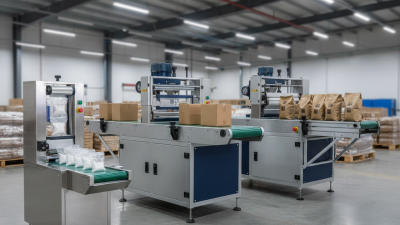
China has emerged as a leader in developing Automated Case Packer solutions. These systems are designed to optimize labor usage while meeting high demands. With a variety of options, companies can choose models that best fit their specific needs. Yet, the challenge remains: not all solutions are equally effective.
Businesses often find themselves grappling with integration issues and varying production capacities. Some solutions promise high efficiency but require careful management. It is crucial for companies to reflect on their choices. Evaluating the right Automated Case Packer can lead to significant advantages. Investing in automation is not just about purchasing equipment; it’s about finding a reliable partner in technology.
Overview of Automated Case Packing Solutions in China
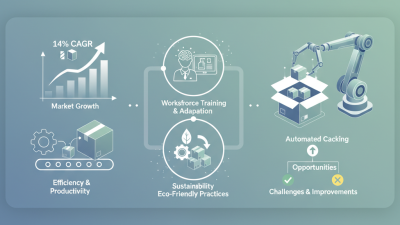
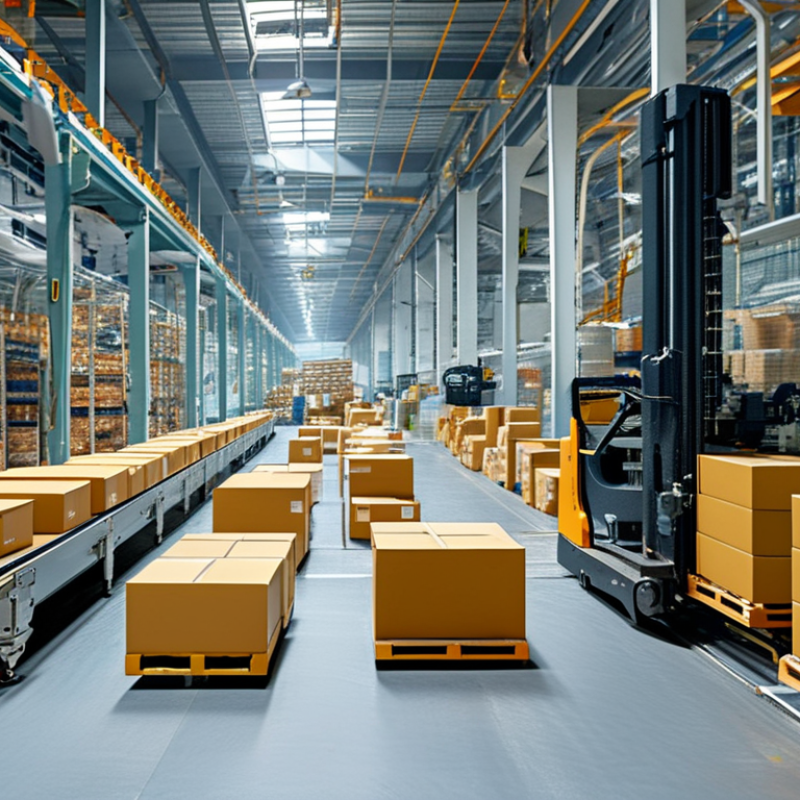
Automated case packing solutions have become crucial in China's manufacturing landscape. These systems streamline the packaging process, reducing labor costs and improving efficiency. According to industry data, the demand for automated packaging systems in China is expected to grow by over 5% annually through 2026. As companies face increasing pressure to enhance production speeds, automation provides a viable path forward.
In addition to efficiency, automated case packers enhance accuracy. They minimize the risk of human error, ensuring that products are consistently packed according to specifications. Reports suggest that businesses that implement automated systems see a decrease in packing costs by an average of 20-30%. However, the initial investment can be substantial. Companies must carefully evaluate their operational needs before making such a commitment.
While the technology is advancing rapidly, some challenges persist. There can be integration issues with existing production lines. New systems may require significant retraining of staff. Data from a recent industry survey indicated that 35% of companies faced obstacles during implementation. This underlines the importance of thorough planning and expert consultation in selecting automated solutions that align with specific production needs.
Automated Case Packing Solutions Performance in China
Key Technologies Driving Automation in Case Packing Systems
Automated case packing systems have transformed the packaging industry. Key technologies propel this shift, enhancing efficiency and consistency. Vision systems allow precise case identification. They ensure products are packed accurately, reducing errors. Advanced robotics streamline packing processes. Robots can pick and place items with speed and precision. This integration reduces labor costs significantly.
Tip: Focus on scalability. Choose solutions that grow with your production needs.
Another critical technology is artificial intelligence (AI). AI algorithms analyze production data. They predict equipment failures and optimize workflows. This predictive maintenance saves time and costly downtime.
Tip: Evaluate your current processes. Look for bottlenecks that automation can alleviate.
Yet, implementing automation is not without challenges. Teams must adapt to new technologies. Continuous training is essential to make the most of these systems. Regular assessment of your automated solutions is crucial. It helps to identify areas for improvement.
Benefits of Implementing Automated Case Packers in Manufacturing
In the fast-paced world of manufacturing, automated case packers have become vital. These systems streamline the packing process, enhancing efficiency. They minimize human error, ensuring consistency in quality and speed. This technology significantly reduces labor costs, freeing employees for more complex tasks. Manufacturers observe a marked increase in productivity and a decrease in operational headaches.
Implementing automated packers can lead to a smoother workflow. They offer precise carton dimensions and packing configurations. This precision translates to reduced material waste and better inventory management. However, the transition isn’t without challenges. Companies must invest time in training and maintenance. Staff may require adjustment to new systems, which can be overwhelming.
The benefits of automated case packers are evident but not universally felt. Some companies may face technological limitations or resistance to change from employees. It’s critical to weigh these factors carefully. A proactive approach in planning can mitigate issues related to integration and operation. Fostering a culture of adaptability is essential for maximizing the advantages of automation in packing processes.
China Best Automated Case Packer Solutions for Efficient Packing Systems
| Feature |
Description |
Benefits |
Efficiency Improvement |
| Speed |
Automated case packers can pack cases up to 30 per minute, depending on the product type. |
Increased productivity and reduced labor costs. |
Up to 50% faster packing time. |
| Accuracy |
Automated solutions ensure precise placement and sealing of products in cases. |
Minimization of packing errors and product damage. |
Reduction in error rates by 80%. |
| Flexibility |
Compatible with various box sizes and packing styles. |
Ability to adapt to changing product lines. |
Quick changeover in less than 10 minutes. |
| Cost Effectiveness |
Reduction in labor and operational costs over time. |
Lower total cost of ownership. |
ROI achievable within 2 to 3 years. |
| Safety |
Reduces manual lifting and repetitive motions. |
Improves workplace safety and reduces injury rates. |
Decreases workplace injuries by up to 60%. |
Top Manufacturers of Automated Case Packer Solutions in China
China has emerged as a leader in automated case packing solutions, offering diverse options for various industries. The country boasts numerous manufacturers specializing in efficient packing systems. These manufacturers utilize advanced technologies to enhance productivity and minimize human error. Many facilities operate with a focus on speed and accuracy, crucial factors in today’s fast-paced market.
While some manufacturers excel in design and innovation, not all can maintain consistent quality across their product lines. Users often report variations in machine performance. Some systems may struggle with certain packaging materials or sizes, leading to inefficiencies. This variability can present challenges for businesses seeking reliable solutions.
Selecting the right automated case packer requires careful consideration. It is vital to assess the specific needs of your production line. Many manufacturers provide customization options, but not all are transparent about their capabilities. Researching case studies and seeking user feedback can aid in making informed decisions. The dynamic landscape of automated packing in China calls for ongoing evaluation and adaptation.
Case Studies: Successful Implementations of Automated Packing Systems
Automated packing systems have revolutionized the manufacturing and logistics industries. Case studies highlight successful implementations that transformed efficiency. For instance, in one case, a beverage company faced bottlenecks due to manual packing processes. They opted for automation, which increased throughput by 30%. This shift allowed them to streamline their operations and better meet market demands.
Another example involved a food manufacturer. They implemented an automated case packer to handle various product sizes. Initially, they experienced some technical hiccups. However, through staff training and system adjustments, they achieved remarkable results. The company noted a significant reduction in labor costs and packing errors. Yet, they grappled with the learning curve of these new technologies.
Many organizations approach automation as a one-size-fits-all solution. This mindset can lead to oversight of unique challenges in each environment. Implementing an automated system requires careful planning and adaptation. Adapting technology to fit existing workflows is critical for success. While automation brings myriad benefits, the initial phase can present obstacles worth reflecting on.