How to Choose the Best Automated Case Packer for Your Business?
In today’s fast-paced packaging industry, choosing the right Automated Case Packer can be challenging. According to Jane Smith, an expert in automated packaging solutions, "The right system can revolutionize your production line.” With various options available, businesses must evaluate their specific needs.
When selecting an Automated Case Packer, it's essential to consider factors such as speed, size compatibility, and ease of operation. Each of these elements can significantly impact overall efficiency and cost-effectiveness. However, navigating these choices can be daunting. Some businesses might focus on the price tag rather than the long-term benefits of reliability and performance.
The integration of an Automated Case Packer can transform operations. Yet, companies should not overlook the importance of training and ongoing support. Real-world experiences have shown that improper implementation can lead to setbacks. Thorough research and expert advice can guide businesses toward making informed decisions. Taking the time to assess these factors is critical for long-term success.
Factors to Consider When Selecting an Automated Case Packer
When selecting an automated case packer, several factors greatly influence your decision. One of the most critical aspects is the type of products being packed. Various studies indicate that the design of the packer should accommodate specific product dimensions and weight. For instance, a report by the Packaging Machinery Manufacturers Institute highlights that improper sizing can lead to increased downtime and maintenance costs.
Another essential factor is the speed of operation. Research shows that the average automated case packer can operate at speeds of 20 to 50 cases per minute. In high-demand environments, systems with higher throughput are crucial. However, companies often underestimate the need for flexible systems that can adapt to different product lines. It's important to factor in your future product plans as well.
Tip: Assess your production line's current and future needs. Try to envision changes in product design or variations in packaging.
Ease of maintenance and support is frequently overlooked. Access to technical support can minimize downtime, which is vital for maintaining efficiency. Industry data reveals that frequent breakdowns can lead to losses averaging $200,000 annually for a mid-sized manufacturer. Choosing a packer with a reliable service network can make a significant difference.
Tip: Look at the warranty and service agreements offered. Ensure they align with your operational requirements.
Understanding Different Types of Automated Case Packers Available
When selecting an automated case packer, it’s crucial to understand the different types available in the market. Key options include horizontal case packers, vertical case packers, and robotic case packers. Each type serves distinct packaging needs. For example, horizontal case packers often handle large volumes, making them suitable for high-speed operations. They can pack products efficiently in less space, optimizing production lines.
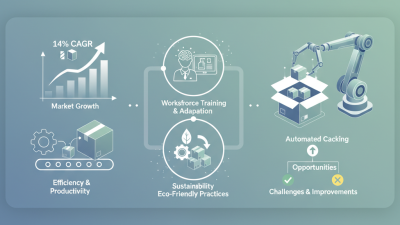
Vertical case packers, in contrast, may be ideal for more delicate items. They allow for a gentle handling approach, crucial in industries like food and pharmaceuticals. According to a report by Packaging World, the global market for automated packaging machinery, including case packers, is projected to grow by 10% annually, reaching $6 billion by 2026. This growth highlights the increasing reliance on automation across sectors.
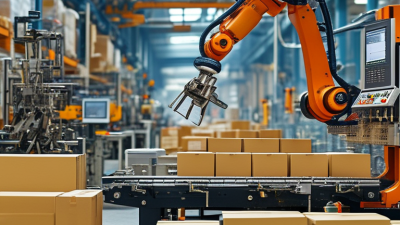
Robotic case packers combine flexibility and precision, adapting to various product shapes. They can significantly reduce labor costs and increase packing consistency. However, these systems may require an initial investment that can deter some businesses. Companies must evaluate their production needs closely. It’s also important not to overlook the potential maintenance costs and the technical expertise needed to operate such machinery effectively. Balancing these factors is essential for making an informed choice.
Types of Automated Case Packers
Evaluating Production Speed and Efficiency Metrics in Case Packers
Choosing the right automated case packer for your business involves assessing production speed and efficiency metrics. According to industry reports, modern case packers can achieve speeds up to 40 cases per minute. This speed translates into significant time savings in your packaging line, optimizing overall production.
When evaluating efficiency metrics, consider both the machine's reliability and its adaptability to various packaging sizes. A study by a leading packaging organization revealed that over 30% of downtime in packaging lines is due to inefficiencies in case packers. Identifying a machine that minimizes changeover time can enhance production flow.
Tip: Assess the total cost of ownership, not just the purchase price. This includes maintenance costs and potential downtime.
Another key metric is the machine's compatibility with your existing production line. A misalignment can lead to production bottlenecks. Utilize simulation tools to visualize how a new case packer integrates with your system. Testing different scenarios might reveal unexpected challenges.
Tip: Involve your operators in the selection process. Their hands-on experience can highlight practical concerns that reports might overlook.
Cost Analysis: Initial Investment vs. Long-term Savings of Automation
When considering an automated case packer, it’s essential to weigh the initial investment against long-term savings. These systems often require significant capital upfront. However, the efficiency gains can offset those costs over time. For many businesses, this decision hinges on productivity and labor costs. The automation process can vastly reduce errors, leading to less product waste.
Tips: Assess your production volumes accurately. The right case packer can drastically streamline your packaging process. Look for solutions that are scalable. As your business grows, adapt your automation to meet increasing demands.
Long-term savings should also factor in maintenance and support. While automation reduces labor costs, skilled technicians may still be needed for upkeep. Unexpected breakdowns can be costly, so a reliable support system is crucial. This creates a balance between investment and risk that can be tough to navigate.
Tips: Research various automation options. Understand the total cost of ownership, including energy and maintenance. Make sure to calculate the return on investment accurately to inform your decision.
The Role of Customization and Scalability in Case Packer Selection
When selecting an automated case packer, customization and scalability should be at the forefront of your decision-making process. A well-designed case packer can adapt to various packaging needs. This flexibility ensures it can handle different product sizes and shapes. Customization features allow you to tailor the machine to your specific requirements. For example, adjustable packing speeds and configurations can enhance your efficiency.
Scalability is another crucial aspect. As your business grows, your packaging needs may change. A scalable case packer adjusts to increased production demands without costly upgrades. It’s essential to consider future growth when making your choice. A machine that can easily integrate with existing systems will save time and resources.
However, balance is key. A highly customizable machine might come with a steep learning curve. Employees may require extensive training, which can affect productivity initially. Keep in mind, the most advanced features may not always align with your immediate needs. Assessing your current and future requirements carefully is vital to making an informed decision.
How to Choose the Best Automated Case Packer for Your Business?
| Feature |
Description |
Customization Options |
Scalability |
| Speed |
Packer's speed in handling cases per minute. |
Adjustable speed settings to match production needs. |
Can scale based on increased production volumes. |
| Size Compatibility |
Ability to handle various package sizes and shapes. |
Custom sizing options for unique products. |
Expandable with additional size modules. |
| Ease of Use |
User-friendly interface for operation. |
Customizable interface layouts for different operators. |
Training and documentation can be tailored. |
| Integration |
Compatibility with existing production lines and software. |
Custom APIs available for specific integration needs. |
Designed to scale with additional machines in the line. |
| Maintenance |
Frequency and simplicity of maintenance required. |
Custom maintenance schedules can be set up. |
Modular parts for easy upgrades as business grows. |