How to Choose the Best Belt Sealing Machine for Your Needs?
Choosing the right Belt Sealing Machine can feel overwhelming. With so many options available, it’s crucial to make an informed decision. As industry expert John McAllister states, "The right machine can boost productivity and reduce waste." His insight highlights the importance of selecting a machine that fits specific needs.
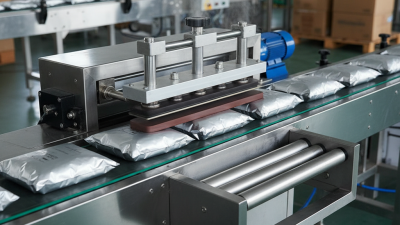
Belt sealing machines play a vital role in packaging efficiency. Choosing the best one requires understanding your production requirements. Factors include the materials you use, desired sealing speed, and machine durability. Each choice impacts packaging quality and overall operational costs.
Many businesses overlook the details when selecting their equipment. They focus on price alone, ignoring long-term benefits. An appropriate machine may be more expensive initially but can save money over time. Remember, a Belt Sealing Machine is an investment in your production line. Reflecting on your processes will guide you to the best decision.
Understanding the Different Types of Belt Sealing Machines
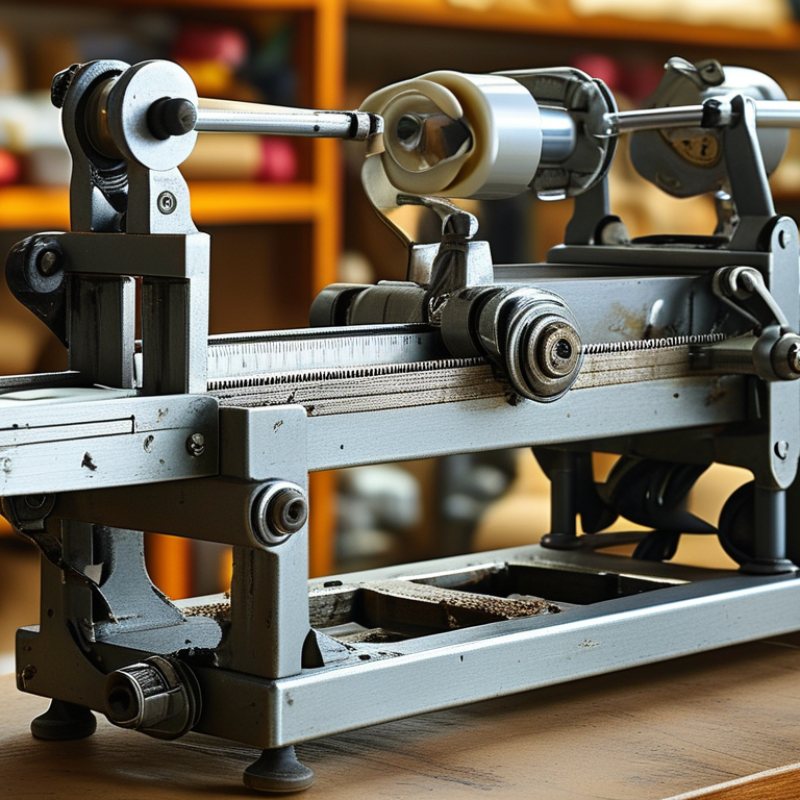
Belt sealing machines play a crucial role in various industries, particularly in packaging. Understanding different types can help you make a more informed choice. Heat sealers, for instance, utilize temperature to create a seal. They are popular for their reliability. According to a recent industry report, heat sealing has an efficiency rate of over 90% in preserving product freshness.
Another type is ultrasonic sealing machines. These machines use high-frequency sound waves to create bonds. They are known for producing strong seals without compromising packaging integrity. Reports indicate that ultrasonic technology can enhance speed by up to 30%. However, they may not be suitable for all types of materials, including thicker plastics.
Impulse sealers are also noteworthy. They work by heating the sealing area briefly, then cooling it to solidify the bond. Many small businesses favor these machines due to their affordability and ease of use. On the downside, impulse sealers might require more frequent maintenance, especially with heavy usage. Each type has its advantages and limitations, so understanding their functions helps ensure you choose the best fit for your operational needs.
Types of Belt Sealing Machines and Their Efficiency
Key Features to Consider When Choosing a Belt Sealing Machine
When selecting a belt sealing machine, consider its key features. These machines are essential in packaging applications. A critical aspect is the sealing mechanism type. Options include continuous and impulse sealing. Continuous sealers are faster, while impulse types are ideal for thicker materials. Industry data indicates that impulse sealing can enhance seal integrity by up to 30%.
Another vital feature is temperature control. Precise temperature regulation impacts seal quality. Machines with adjustable heat settings accommodate different materials. Studies show that improper temperature can lead to a 20% increase in seal failures. Selecting a machine with digital controls ensures accuracy and consistency.
Speed is also crucial. Many operations require efficient packaging to meet demand. A machine capable of sealing 12-20 feet per minute can significantly improve productivity. However, faster machines might cause errors if not operated correctly. Balancing speed with operational training can mitigate risks. Investing in a reliable belt sealing machine should align with your specific production needs and limitations. This thoughtful approach prevents mistakes that might impact production quality.
Assessing Your Production Needs and Requirements
When choosing a belt sealing machine, understanding your production needs is crucial. Start by evaluating the volume of products you plan to seal. Higher production rates may require more robust machines. Consider the types of materials you will be sealing. Different machines work better with various materials, like plastic or paper. Know your seal width requirements, as this can impact the machinery needed.
Tips: Assess your output expectations. Detailed planning can save you time and costs.
Next, factor in the level of automation you desire. Manual machines are generally less expensive but may slow down productivity. Automated machines can enhance efficiency but come at a higher initial cost. It's essential to weigh these options based on your budget and production goals. Don’t forget to account for maintenance needs. Machines require regular upkeep to function optimally.
Tips: Research different sealing technologies. This can reveal options that fit your production style.
Lastly, seek expert opinions or user reviews on specific machines. Real-life experiences can guide your decision. Being aware of potential drawbacks in each model may influence your choice significantly. When selecting a machine, reflect on what features matter most for your production line.
Evaluating Quality and Reliability of Manufacturers
Choosing the right belt sealing machine requires careful evaluation of manufacturers. Their quality and reliability significantly impact your operations. A robust machine can enhance production efficiency and reduce downtime.
Tips: Always look for manufacturers with a solid track record. A long history in the industry often indicates reliability. Read reviews and customer testimonials. Assess their support service; prompt assistance matters when issues arise.
Consider the materials used in construction. High-quality components often lead to better performance. Don’t overlook certifications, as they ensure compliance with industry standards. A certified machine may be a safer investment.
Reflect on the importance of warranty options. A solid warranty can provide peace of mind. If a manufacturer hesitates to offer this, it may raise concerns about reliability. Evaluate the potential risks involved before making a decision.
Budget Considerations for Belt Sealing Machine Investments
When investing in a belt sealing machine, budget is crucial. It is essential to assess your financial capability before making a choice. Prices vary widely based on features and specifications. Simpler models may suffice for small operations. However, advanced machines often come with higher costs and added benefits.
Think about the long-term value of the machine. Cheaper models might save money initially, but could require more maintenance. Will they meet your production needs over time? Consider the potential for replacement parts and service. Sometimes, investing a bit more upfront can save significant costs later.
Next, evaluate the total cost of ownership. This includes not just the purchase price, but also energy consumption, labor costs, and downtime. Do you have a clear understanding of how the machine fits into your overall production? These factors can help refine your choices and ensure you get the best fit for your budget. Keep in mind that investing wisely now can lead to better efficiency and sustainability in the long run.
How to Choose the Best Belt Sealing Machine for Your Needs? - Budget Considerations for Belt Sealing Machine Investments
| Model |
Price ($) |
Sealing Speed (items/min) |
Power (W) |
Sealing Width (mm) |
| Model A |
1200 |
25 |
500 |
10 |
| Model B |
1500 |
30 |
600 |
12 |
| Model C |
1800 |
35 |
800 |
15 |
| Model D |
2000 |
40 |
900 |
18 |
| Model E |
1500 |
28 |
700 |
11 |