What is Milling Equipment and How Does It Work?
Milling Equipment plays a crucial role in various industries, including food processing, pharmaceuticals, and metalworking. The global milling equipment market is projected to reach $6.6 billion by 2025, according to a recent report by Market Research Future. This significant growth highlights the increasing demand for precision and efficiency in material processing.
Understanding how milling equipment operates is essential. It involves complex machinery that employs cutting tools to remove material from a workpiece. This process ensures uniformity and enhances product quality, which is vital in competitive markets. Different types of milling equipment serve specific purposes and materials, showing the diversity of applications in the field.
However, not all milling equipment is created equal. Some machines may struggle with certain materials or produce uneven results. Operators must continuously evaluate equipment performance to ensure reliability. Research indicates that investing in advanced milling technology can reduce waste and increase productivity. This correlation emphasizes the importance of selecting the right machinery for specific tasks.
What is Milling Equipment? Definition and Overview
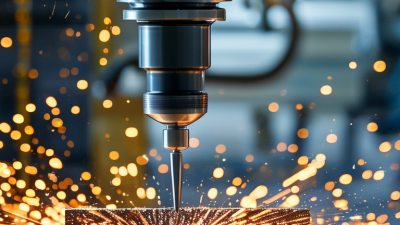
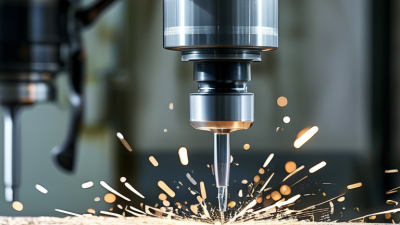
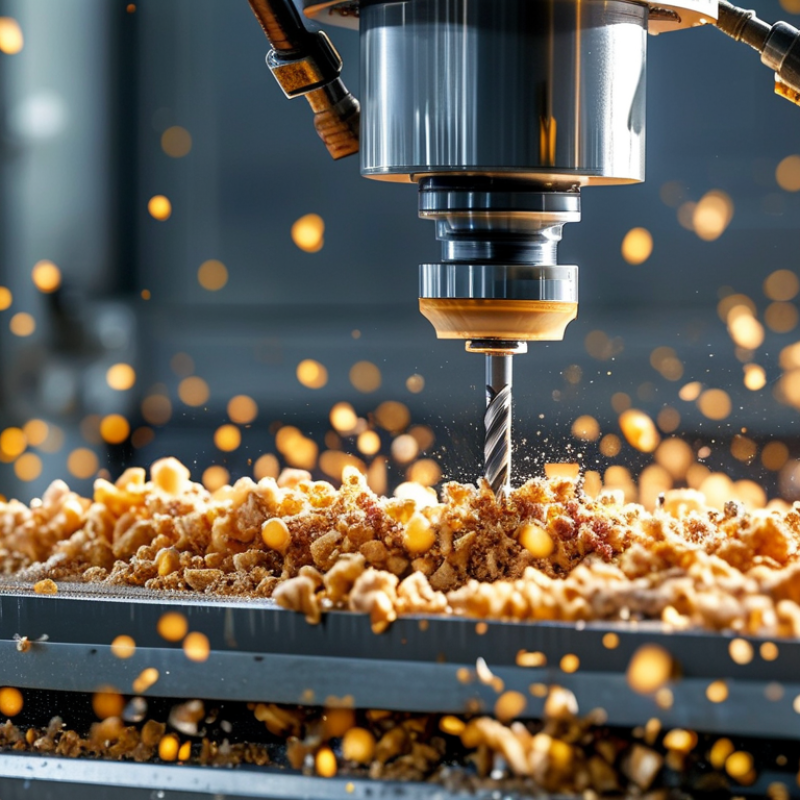
Milling equipment plays a crucial role in various manufacturing processes. It is designed to remove material from a workpiece through rotary cutters. This method transforms raw materials into finished products with precision. The equipment is widely used in industries like aerospace, automotive, and electronics.
Understanding what milling equipment truly encompasses is important. It includes various types of machines, such as vertical mills, horizontal mills, and CNC mills. Each type serves different purposes and offers unique features. The consistency in product quality and high precision are the hallmarks of effective milling operations.
Tip: Always ensure that the milling equipment is maintained properly. Regular checks and balances can prevent downtime. Proper training for operators is also essential. They should understand the equipment and its functionalities fully. This knowledge can lead to improved safety and efficiency in milling operations. It’s also beneficial to remain updated on advancements, as technology continuously evolves in this field. Keeping an adaptable mindset can unveil new opportunities and methods.
Types of Milling Equipment: A Comparison of Different Machines
Milling equipment comes in various forms, each designed to perform specific tasks. One common type is the vertical milling machine. It features a vertically aligned spindle, allowing for precision cuts. Users typically choose this type for its accuracy in creating complex shapes. Another option is the horizontal milling machine, which offers greater stability when cutting hard materials. Its horizontal spindle can handle larger workpieces, making it ideal for bulk operations.
Manufacturers also utilize CNC milling machines. These machines use computer numerical control for enhanced precision and automation. They reduce the chances of human error, which can lead to inconsistencies. However, the initial setup might be complex, requiring skilled operators. Another modern option is the bed mill, which includes a stationary bed with a vertically moving spindle. This design provides excellent support and is beneficial for heavy loads.
While these machines all serve a vital role in production, they are not without challenges. Maintenance is essential yet often neglected. Users should regularly inspect their equipment to avoid breakdowns. Furthermore, operators should be trained properly to maximize machine potential. Mistakes can occur if users lack experience, impacting productivity. In milling, understanding each type's unique benefits and limitations will enhance overall efficiency.
Milling Equipment Types and Their Features
Key Components of Milling Machines: What Makes Them Work?
Milling machines are essential in manufacturing. They operate using various key components that contribute to their effectiveness. A milling machine primarily consists of a motor, spindle, and mills. The motor powers the machine, while the spindle holds and rotates the milling tool. This basic setup allows for precision cutting and shaping of materials.
The mills, often made of high-speed steel or carbide, are crucial for achieving desired shapes. According to a report by Research and Markets, the global milling machine market was valued at over $5 billion in 2022 and is expected to grow significantly. This growth indicates the increasing importance of milling in production processes across multiple industries.
Tips: Regular maintenance of milling equipment improves lifespan and performance. Ensure that mills are sharp and correctly set up to minimize errors. Additionally, consider investing in high-quality tools, as they can significantly affect output quality.
Understanding these components and their roles can lead to better decision-making in milling operations. However, even the best equipment requires skillful hands. Mistakes can occur, such as misalignment or improper tool selection. Reflections on past errors can provide valuable lessons for future projects, ensuring continuous improvement in milling practices.
The Milling Process: Step-by-Step Workflow and Techniques
The milling process involves several distinct steps that transform raw materials into finely processed products. Initially, the material is fed into the milling machine. This machine is equipped with rotating blades or cutters that chip away at the material. It’s important to ensure that the feed rate is appropriate. Too fast, and you risk damaging the equipment; too slow, and efficiency decreases.
As the milling progresses, the machined surface becomes smoother. A skilled operator monitors the process closely. This oversight is crucial, as a small mistake can lead to defects or waste. Once the desired thickness is achieved, the milled material is examined for quality. Each piece must meet specific standards before moving on to further processing.
Adjustments throughout the milling process are essential. Operators often face challenges like varying material hardness or moisture content. These factors can affect machining efficiency. Regular checks not only enhance reliability but also improve overall output. Proper training in milling techniques ensures a higher quality product and fewer setbacks along the way.
Applications of Milling Equipment in Various Industries and Sectors
Milling equipment is essential in various sectors, transforming raw materials into fine products. The food industry, for instance, relies on milling to produce flour and meal, contributing to a market projected to reach $280 billion by 2026. Efficiency and precision in milling processes can significantly impact product quality, ensuring consistency in texture and flavor.
In the pharmaceutical sector, milling is critical for the production of powders used in medication. A report by Market Research Future indicates that the global pharmaceutical milling market is expected to witness substantial growth. Advanced milling technologies enhance particle size distribution, leading to optimized drug delivery. Yet, maintaining strict adherence to safety protocols and equipment hygiene during milling remains a challenge.
Milling equipment also plays a vital role in the manufacturing of construction materials. For example, the production of fine aggregates involves milling processes that help achieve desired textures. However, there is ongoing debate about the environmental implications of milling waste and energy consumption. Addressing these concerns through improved technology is essential, as industries push for sustainability.