10 Tips for Choosing the Right Automated Case Packer for Your Business?
Choosing the right Automated Case Packer can significantly impact your production efficiency. According to industry expert Sarah Thompson, “The right packing solution streamlines operations and enhances scalability.” Understanding your specific needs is crucial.
Automated Case Packers vary in features and capabilities. Each design caters to different production environments. Some systems excel in speed, while others prioritize versatility. Knowing your product and workflow is essential for making an informed decision. Visualize your current packing process. Identify bottlenecks that an Automated Case Packer could solve.
Selecting an Automated Case Packer is not one-size-fits-all. Different businesses have unique requirements. Take the time to analyze your operations. Seek expert advice to explore options. You might discover shortcomings in current methods. This process requires reflection and careful planning. The right choice will lead to long-term benefits for your business.
Understanding Automated Case Packers: Definition and Benefits
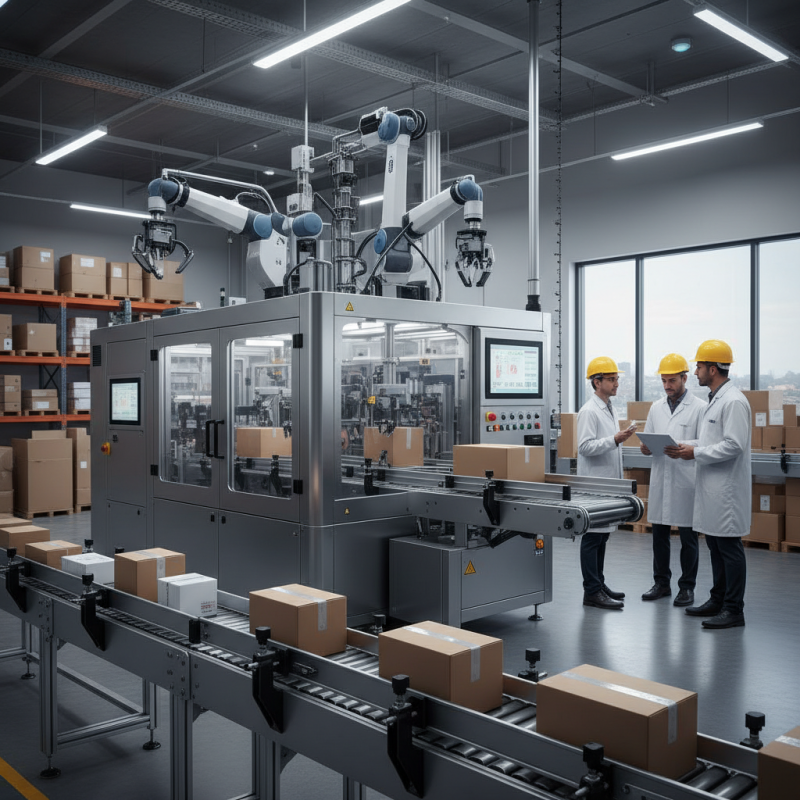
Automated case packers are innovative machines that streamline packaging processes. They are designed to efficiently pack products into boxes or cases. This automation is crucial for businesses aiming to improve productivity. By reducing manual labor, companies can focus their workforce on more complex tasks.
The benefits of automated case packers extend beyond efficiency. They enhance consistency and accuracy in packaging. Additionally, they can adapt to various product sizes and types. Businesses must consider their specific needs before making a selection. Choosing the wrong machine can lead to inefficiencies or increased costs. Buyers should reflect on their production volume and operational layout. Visualizing the packing line can help identify suitable options.
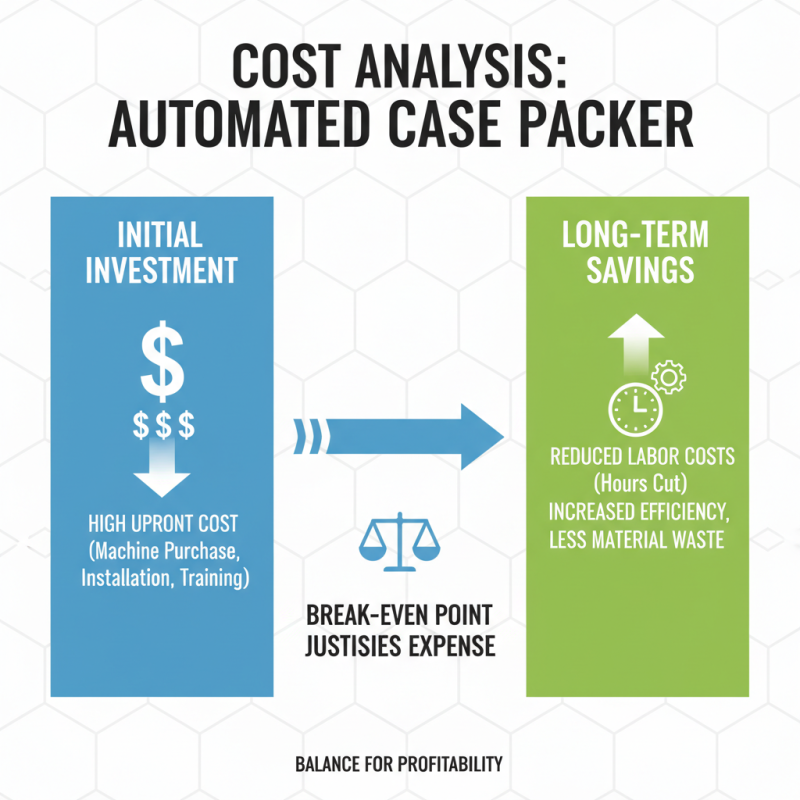
While automated case packers do save time, they may require significant upfront investment. It is vital to conduct a cost-benefit analysis. A machine that seems perfect might not fit every situation. Regular maintenance and possible downtimes are also factors to consider. Reflecting on these aspects ensures a more informed decision.
Key Features to Consider in Automated Case Packing Machinery
When selecting automated case packing machinery, several key features deserve your attention. Look for a machine with flexibility. It should accommodate various box sizes and shapes. This adaptability can help you respond to shifting market demands. A user-friendly interface is essential. Operators should easily navigate settings and changes. Complicated systems can lead to errors.
Consider the machine's speed and efficiency. A faster packing rate increases output. However, striking a balance between speed and quality is vital. Packing too quickly may result in product damage. Reliability is equally critical. Ensure the machinery requires minimal maintenance. Frequent breakdowns affect production schedules.
Integration with existing systems is another factor to analyze. Choose equipment that seamlessly connects with your current production line. Automated case packers must communicate effectively with other machines. Additionally, look for comprehensive support and training from the manufacturer. Help should be available during installation and even long after. A lack of proper training can lead to operational challenges.
Evaluating Production Volume Needs for Optimal Packing Solutions
When selecting an automated case packer, understanding your production volume is crucial. This factor directly influences the packing solution you choose. Assessing current and future production needs is essential. If your output fluctuates, consider machines that can adapt to variable speeds. An oversize packer for low volume can waste resources. Yet, a small machine might cause delays if your output increases unexpectedly.
Think about how many cases you pack each hour. If you ship thousands, a faster machine can save you time and labor costs. However, the initial investment may be daunting. It’s tempting to go for the latest technology, but sometimes simpler solutions work just as well. Evaluate your budget and return on investment carefully.
Don’t forget to involve your team in the decision-making process. They can provide insights on operational challenges. Their feedback may reveal practical needs not covered by sales pitches. Make sure the chosen packer integrates smoothly with existing systems. Reviewing these details can prevent unforeseen issues. It's important to recognize that the ideal solution should evolve as your business grows.
Maintenance and Support: Ensuring Longevity of Your Packing Equipment
When investing in an automated case packer, maintenance and support are crucial for longevity. Regular maintenance schedules can significantly reduce downtime. Create a checklist to keep track of routine checks. Monitor parts like motors and belts closely. Neglecting small issues can lead to costly repairs later.
Consider your team’s training as part of support. They should understand how to operate the equipment safely and efficiently. This knowledge promotes better usage and timely reporting of problems. A well-trained staff can identify irregular sounds or movements early, preventing larger failures.
Choosing the right maintenance plan is essential. Evaluate options for service agreements. Ask about response times for service calls. Remember, some plans might seem cost-effective but can delay crucial repairs. Continuous support ensures your equipment remains operational, maximizing production efficiency and minimizing loss.
Maintenance and Support: Ensuring Longevity of Your Packing Equipment
This chart illustrates the percentage of time spent on various maintenance activities for automated case packers in different business sectors.