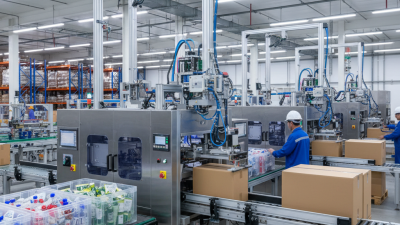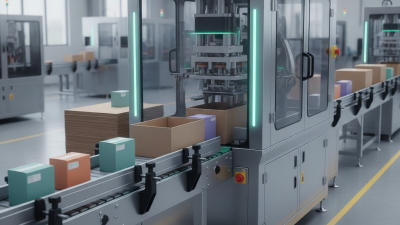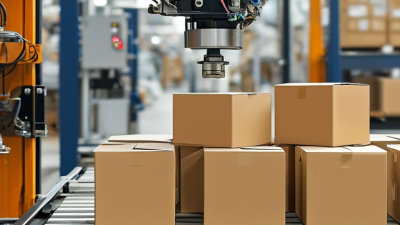
The 2026 packaging floor will not be defined by speed alone. It will be shaped by flexibility, product protection, data visibility, and practical changeovers. An Automated Case Packer must handle varied carton sizes, unstable product patterns, and demanding production schedules without creating unnecessary downtime.
Packaging automation specialist John D. Henry describes the central challenge clearly: “A reliable case packer should make the operator’s work easier, not hide complexity behind faster machinery.” That principle remains highly relevant for 2026 equipment selection. A machine may reach impressive cycle speeds, yet still underperform when tooling changes take too long or sensors struggle with damaged cartons.
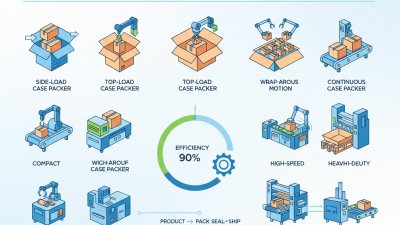
This article examines the leading Automated Case Packer types expected to attract attention in 2026. Robotic top-loaders may suit mixed products and frequent format changes. Side-load systems can support organized, high-speed packing. Wraparound machines may offer strong carton presentation and material efficiency. Continuous-motion designs could serve stable, large-volume lines.
The details matter.
A practical evaluation should include gripper adjustment, case quality, footprint, cleaning access, software integration, and operator training. Total ownership cost deserves equal attention. Energy use, spare parts, rejected cases, and maintenance hours can quietly reshape the investment.
Some predictions remain uncertain. Artificial intelligence may improve inspection and scheduling, but it will not replace sound mechanical design. That is worth remembering. The best 2026 solution may not be the fastest machine. It may be the one that performs consistently during an ordinary, difficult shift.
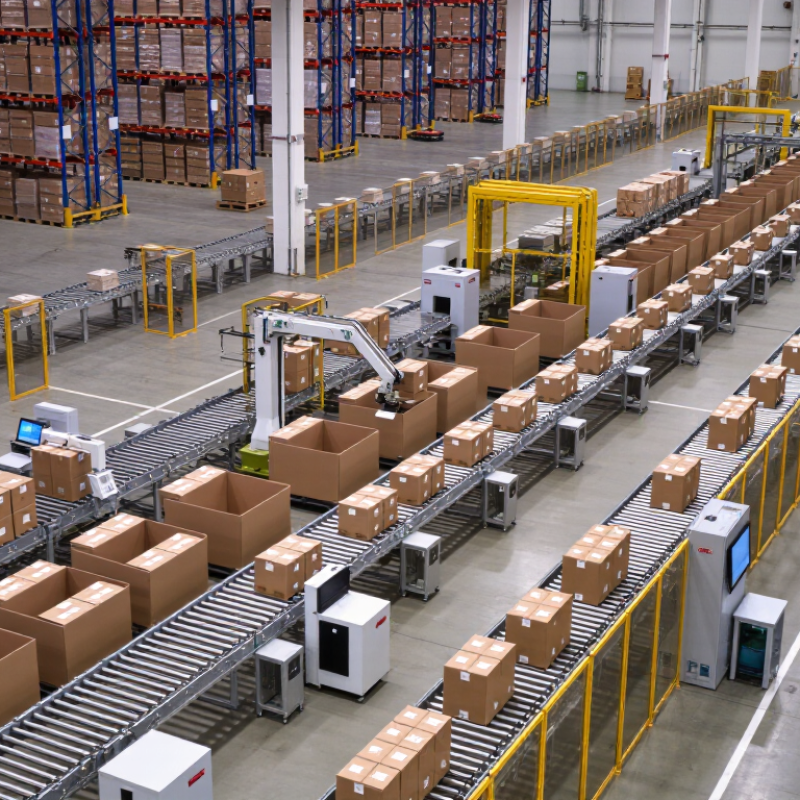
What Are the 2026 Top Automated Case Packer Types?
An automated case packer loads products into shipping cases with controlled, repeatable motion. It usually combines product infeed, grouping, case handling, loading, and sealing. Sensors track product spacing and confirm each case reaches the correct position. The control system then adjusts timing when production speed changes.
Top-load packers place products from above, often using robotic arms or a guided pick head. They suit bottles, cartons, pouches, and irregular product shapes. Side-load packers push grouped products horizontally into open cases. They can work well with stable, rectangular items. Wraparound packers fold flat corrugated blanks around products, reducing separate case-forming steps. Robotic case packers offer flexible patterns and quick format changes, while intermittent-motion machines provide accurate handling at moderate speeds.
In practical installations, the best choice depends on product fragility, case dimensions, output targets, and available floor space. I have found that precise product spacing matters more than many teams expect. A small gap error can create jams several stations later. Not perfect.
Operators should test real products, not only sample cartons. Dust, changing moisture, and weak corrugated board can affect suction cups, guides, and sealing pressure. Maintenance access also deserves attention. A machine may achieve impressive speed, yet perform poorly when changeovers require awkward manual adjustments. Reliable systems include clear fault messages, guarded moving parts, accessible sensors, and recorded performance checks. Controls can improve consistency, but they cannot correct poor case quality or unstable product flow.
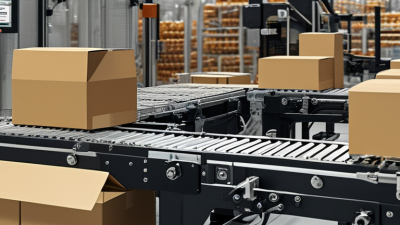
Automated case packers are classified by how they load products, move cases, and close cartons. This method is more useful than ranking machines by speed alone. In plant evaluations, I examine product shape, case dimensions, changeover frequency, and available floor space. A fast machine can still be unsuitable.
The main category is loading motion. Top-load packers place products downward into open cases, often using robotic arms or guided pickers. They suit delicate items, mixed patterns, and products arriving in irregular positions. Side-load packers push products horizontally into cartons. They work well with stable rows, flat packages, and continuous production. Drop packers place grouped products directly into cases, reducing mechanical movement but requiring consistent product spacing.
Another classification uses case handling and sealing methods. Wraparound packers form cartons around grouped products, which can reduce material use and create a tight package. Pre-formed case packers open ready-made cases before loading. Vertical packers handle products from above, while horizontal systems manage flow along a conveyor. Case sealing may use adhesive, tape, or mechanical locking features.
The 2026 top types will likely include robotic top-loaders, flexible side-loaders, wraparound systems, and compact drop packers. Yet “top” depends on the application. A robotic system may need advanced vision and skilled maintenance. A simpler drop packer may deliver better reliability for uniform products. I have seen project plans overvalue peak speed and underestimate changeover time. That mistake remains common. Operators should test real products, damaged cartons, and end-of-shift conditions before choosing equipment.
How Are Automated Case Packer Types Classified?
Classification: Automated case packers are commonly classified by loading method, product movement, case format, and motion pattern. The main categories include top-load robotic systems, side-load robotic systems, wrap-around packers, drop packers, pick-and-place packers, intermittent-motion machines, and continuous-motion machines.
Chart interpretation: The bars show indicative industrial throughput ranges in cases per minute. Actual performance depends on product dimensions, case size, pack pattern, changeover requirements, feeding accuracy, and the level of robotic integration. These categories can overlap; for example, a pick-and-place system may also use top loading or continuous motion.
In 2026, the leading automated case packer types reflect different product shapes, speeds, and packaging goals. Robotic top-load packers handle fragile items with controlled picking and gentle placement. Vision systems can check orientation before products enter each case. This reduces awkward loading errors.
Side-load case packers remain valuable for cartons, trays, and regular containers. They move products horizontally into preformed cases, often at stable production speeds. Wraparound packers form corrugated material around grouped products during loading. Their compact footprint suits facilities with limited floor space. Horizontal intermittent-motion machines offer careful control when products vary slightly in size.
Continuous-motion packers support high-volume lines with fewer pauses. They require precise timing, clean sensors, and consistent product spacing. A small delay upstream can create a surprisingly large case shortage. That is easy to underestimate.
From practical line evaluations, robotic systems usually provide better changeover flexibility. Traditional mechanical machines can still deliver stronger speed and simpler maintenance. The better choice depends on labor availability, case formats, sanitation needs, and return-on-investment targets. Operators should inspect access panels, servo response, carton handling, and recovery procedures before purchase. A glossy demonstration is not enough. Some systems appear efficient until frequent format changes expose hidden setup time. Teams should record real cycle data across several shifts, not just trust the fastest trial.
| Automated Case Packer Type | Loading Method | Best-Suited Products | Typical Case Formats | Typical Throughput Range | Key Advantages | Main Considerations |
|---|---|---|---|---|---|---|
| Top-Load Robotic Case Packer | Robotic pick-and-place from above | Bottles, cartons, pouches, trays, jars, and mixed product patterns | Regular slotted cases, display-ready cases, partitioned cases | Approximately 10–40 cases per minute, depending on product and robot configuration | High flexibility, quick product changeovers, suitable for irregular layouts and multiple SKUs | Requires accurate product presentation, vision or sensing may be needed, and payload limits must be considered |
| Side-Load Case Packer | Products are collated and pushed horizontally into an open case | Cartons, cans, bottles, tubs, trays, and shrink-wrapped multipacks | Regular slotted cases and wraparound blanks | Approximately 15–60 cases per minute for stable, consistently shaped products | Efficient continuous operation, compact product grouping, and good repeatability | Less suitable for unstable, flexible, or highly irregular products; precise spacing is important |
| Wraparound Case Packer | Products are grouped on a flat corrugated blank, which is folded around the group | Cartons, cans, bottles, trays, and other rigid primary packages | Wraparound cases, shelf-ready cases, and display cases | Approximately 20–80 cases per minute, depending on format and sealing method | Reduced corrugated material compared with some traditional cases, strong pack presentation, and efficient sealing | Needs accurately cut blanks and consistent product dimensions; setup is sensitive to carton quality |
| Vertical Drop Case Packer | Products are arranged and lowered vertically into an open case | Bags, pouches, snack packages, lightweight cartons, and flexible packs | Regular slotted cases and open-top cases | Approximately 8–30 cases per minute, depending on product stability and pack pattern | Handles products that are difficult to push horizontally and can create neat vertical layers | Requires adequate overhead clearance; fragile or easily damaged products may need controlled motion |
| Continuous-Motion Case Packer | Product collation and case loading occur while the machine runs continuously | High-volume, uniform products such as cartons, cans, bottles, and trays | Regular slotted cases and wraparound cases | Approximately 40–120 cases per minute in dedicated high-speed applications | Very high output, smooth product flow, and reduced stop-start motion | Higher capital cost, more complex controls, and lower flexibility for frequent product changes |
| Intermittent-Motion Case Packer | The machine pauses at defined stations for grouping, loading, and case handling | Cartons, bottles, trays, pouches, and products requiring controlled positioning | Regular slotted, tray-style, and display-ready cases | Approximately 10–50 cases per minute, depending on the number of products per case | Accurate positioning, straightforward programming, and good access for inspection and maintenance | Usually slower than continuous-motion systems and may require more floor space for equivalent output |
| Hybrid Robotic Case Packer | Combines robotic picking with mechanical forming, conveying, or case sealing | Mixed-SKU products, e-commerce packs, seasonal items, and products with variable case patterns | Regular slotted, wraparound, shelf-ready, and mixed-format cases | Approximately 15–60 cases per minute, based on robot count, payload, and case pattern | Balances flexibility and automation, supports recipe-based changeovers, and can integrate inspection and track-and-trace functions | Integration is more complex; software, safety systems, and operator training require careful planning |
Note: Throughput figures are typical industry ranges rather than guaranteed performance. Actual output depends on product dimensions, case size, pack pattern, material quality, changeover frequency, and line configuration.
What Are the 2026 Top Automated Case Packer Types?
In 2026, automated case packers will serve different production realities, not one universal formula. Vertical case packers suit rigid products that can drop into boxes, such as bottled drinks, canned foods, and household containers. They save floor space and handle steady, repetitive lines well. However, fragile products may need gentler loading controls.
Horizontal case packers place bags, cartons, and pouches into cases from the side. Food processors, snack manufacturers, personal-care producers, and pet-food facilities often choose this type. It supports controlled product orientation and reduces crushing. Wraparound case packers are common in beverage, dairy, and packaged-food plants. They form cases around grouped products, using less packaging material in some applications. Small differences matter.
Robotic case packers work across e-commerce, cosmetics, consumer goods, and mixed-product warehouses. They manage changing package sizes and can pick products into cases or trays. Tray packers are especially useful for drinks, ready-to-eat foods, and lightweight containers displayed in open trays. From practical line reviews, the best choice usually depends on product stability, case dimensions, speed, and changeover frequency. A fast machine can still disappoint when operators struggle with adjustments. That part is often overlooked. Plants should test real products, damaged cartons, and peak-season workloads before deciding. No type wins everywhere.
Choosing a 2026 case packer starts with the product, not the machine’s sales label. In plant evaluations, teams compare robotic top-load, wraparound, side-load, and intermittent-motion systems against real pack patterns. A soft pouch may need gentle robotic handling. Rigid cartons may favor faster continuous motion. Measure dimensions, weight, seal strength, and surface friction from actual production lots. Small changes matter. Sample boxes can hide dust, crush variation, or humidity effects.
Match the packer to throughput, changeover frequency, and available floor space. A line running three formats daily may benefit from tool-free adjustments, recipe control, and clear access points. A single-format line might gain more from simpler mechanics and lower maintenance demands. Ask for sustained output, not peak speed. Inspect reject handling, guarding, sensor placement, and cleaning access. Operators should reach routine components without awkward lifting. That detail is easy to miss during a polished demonstration.
Total cost needs a wider lens. Include labor, spare parts, compressed air, energy, training, and lost production during changeovers. Request performance data from comparable applications, then verify it through a site visit when possible. Confidence helps, but documented evidence matters more. Test future package changes before signing. Forecasts are rarely perfect. Choosing only for today’s speed can create tomorrow’s bottleneck. The right case packer fits the product, people, and maintenance culture, not merely the brochure.