Top 10 Benefits of Automated Dust Collection Systems?
In today's fast-paced industrial world, maintaining a clean and safe workspace is crucial. Automated Dust Collection systems are revolutionizing how industries manage dust and airborne particles. These systems are designed to enhance air quality, protect equipment, and ensure employee safety. With the right implementation, the benefits of these systems are substantial.
Automated Dust Collection not only streamlines operations but also reduces health risks associated with dust exposure. Many businesses underestimate the importance of proper dust management. However, the ongoing battle against dust is not just about cleanliness; it's about efficiency and compliance. Advanced technology allows real-time monitoring and adjustment of dust levels, making it easier to maintain optimal conditions.
Investing in Automated Dust Collection can yield significant long-term benefits. From lowering maintenance costs to improving productivity, these systems promise a cleaner environment. However, some organizations may struggle with high initial costs or the transition process. It’s crucial to reflect on these challenges while acknowledging the transformative potential of efficient dust collection solutions.
Advantages of Automated Dust Collection Systems for Industrial Environments
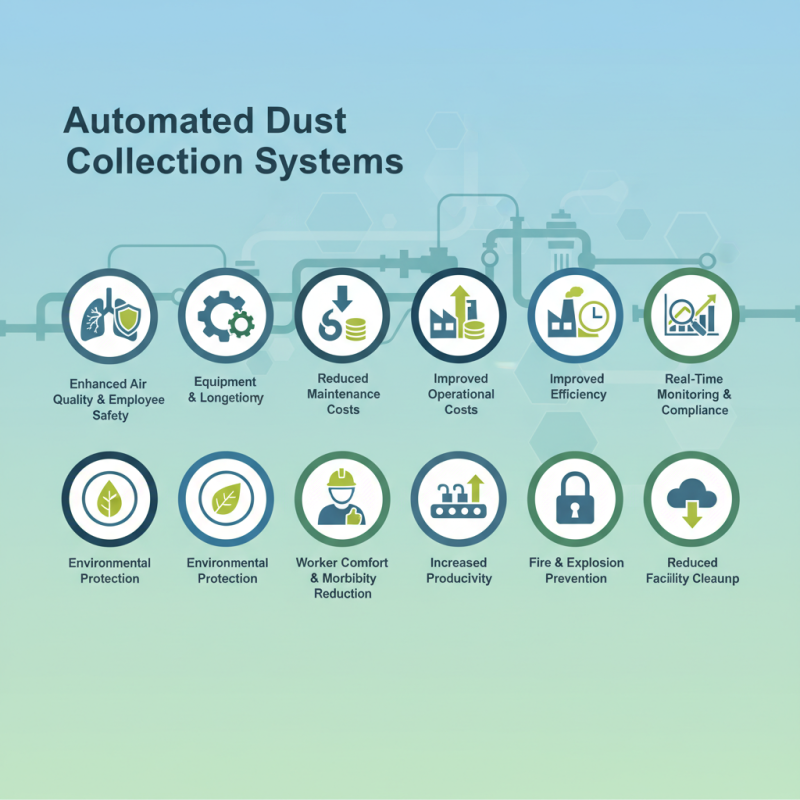
Automated dust collection systems provide significant advantages in industrial environments. Companies benefit from improved air quality and enhanced worker safety. These systems effectively capture harmful dust particles, reducing health risks associated with occupational exposure. This leads to fewer health-related absences and increased productivity.
The efficiency of automated dust collection systems cannot be overstated. They operate continuously, ensuring that dust does not accumulate in workspaces. This consistent operation can decrease maintenance costs for machinery by preventing dust buildup. However, implementation may require careful planning. Not every facility is perfectly suited for automation.
Training and adaptation may be necessary for the workforce. Some employees might resist change, feeling uncertain about new technologies. Providing support and insight can help alleviate concerns. While automation offers clear benefits, it’s essential to consider each facility’s unique needs. Balancing efficiency with employee comfort is crucial for success.
Top 10 Benefits of Automated Dust Collection Systems
| Benefit |
Description |
| Improved Air Quality |
Reduces airborne dust particles, promoting a healthier work environment. |
| Enhanced Worker Safety |
Minimizes health risks associated with dust inhalation, reducing worker injuries and illnesses. |
| Increased Equipment Longevity |
Protects machinery from dust accumulation, extending operational life and reducing maintenance costs. |
| Compliance with Regulations |
Helps meet OSHA and other safety standards, avoiding fines and legal issues. |
| Energy Efficiency |
Automated systems optimize energy consumption, leading to lower utility bills. |
| Improved Productivity |
Reduces downtime by minimizing the need for manual cleaning and maintenance. |
| Customizable Solutions |
Systems can be tailored to specific industrial needs and dust types. |
| Remote Monitoring |
Allows for real-time tracking and analysis of dust levels and system performance. |
| Sustainability |
Helps organizations to adopt greener practices by reducing dust emissions. |
Improved Air Quality and Worker Health Benefits
Automated dust collection systems significantly enhance air quality in industrial environments. According to the U.S. Environmental Protection Agency, exposure to airborne dust and pollutants can lead to a range of health issues, from respiratory problems to chronic diseases. Properly implemented systems can reduce particulate matter in the air by up to 90%. This improvement can directly lower the incidence of workplace-related health complaints.
Worker health benefits are profound. A study from the National Institute for Occupational Safety and Health highlights that improved air quality can decrease absenteeism and increase productivity. Workers in environments with effective dust collection report less fatigue and fewer illnesses. Furthermore, enhanced air quality fosters a safer work culture, as employees feel more comfortable and focused in their surroundings.
However, not all systems are equally effective. Some automated dust collection systems struggle with maintenance and efficiency. Regular evaluation and upgrades are essential for maximizing benefits. Organizations should consider training staff to monitor air quality metrics actively. This proactive approach keeps the systems running optimally and ensures a consistently healthier work environment.
Increased Operational Efficiency and Productivity Gains
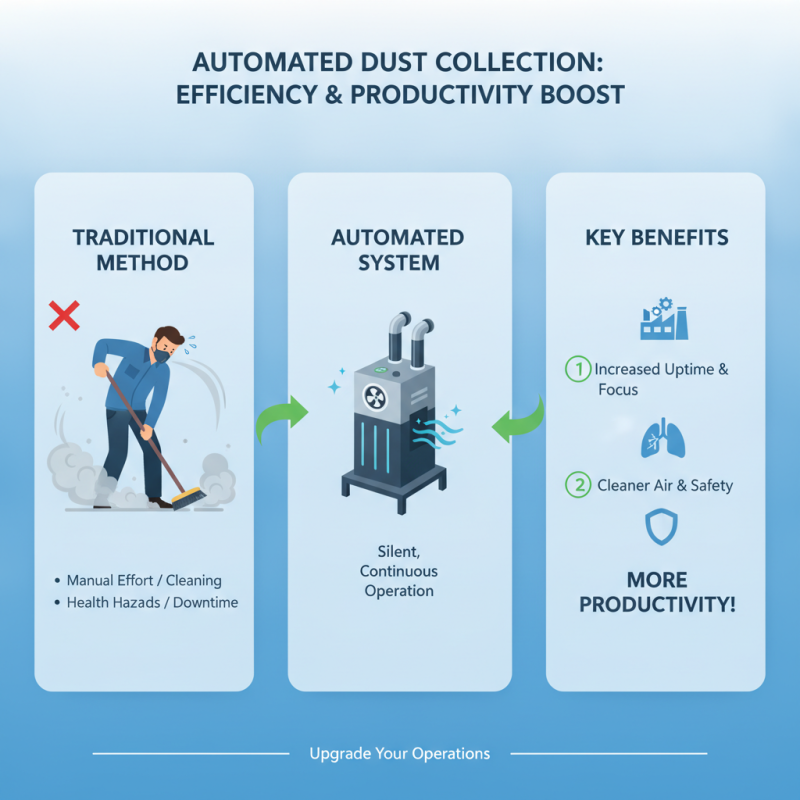
Automated dust collection systems bring significant enhancements to operational efficiency and productivity. These systems work silently yet effectively, ensuring cleaner air and reducing the manual effort required for maintenance. By automating the dust collection process, employees can focus on more critical tasks rather than dealing with dust-related issues.
For maximum efficiency, consider installing sensors to monitor dust levels. Integrating this technology can trigger automatic activation, saving energy and preventing unnecessary wear on equipment. Regular system checks can also identify potential issues early. This proactive maintenance approach helps avoid costly downtime.
Another tip involves training your staff on these systems. Understanding the technology leads to better utilization. If workers know how to leverage the system effectively, productivity naturally increases. Emphasizing awareness allows everyone to adapt swiftly, addressing any inefficiencies instantly.
Automated dust collection systems improve productivity, but challenges may arise. Some systems can be complicated. Regular training sessions ensure your team feels confident. Investing in employee education pays dividends in operation efficiency.
Cost Savings through Maintenance and Energy Efficiency
Automated dust collection systems offer significant cost savings through enhanced maintenance and energy efficiency. A well-designed system minimizes downtime by using real-time monitoring. When dust levels rise, these systems automatically activate, reducing the need for manual intervention. This leads to less wear and tear on equipment, resulting in lower maintenance costs over time. Many facilities report savings in excess of 20% on maintenance expenses after implementing automation.
Energy efficiency is another key benefit. Automated systems often feature variable speed fans that adjust according to airflow needs. This prevents excess energy consumption during low-demand periods. Facilities can notice a marked reduction in energy bills, which is crucial for businesses seeking to cut operational costs. However, implementing such technology requires an initial investment. Some companies may struggle with this upfront cost, raising questions about the long-term return on investment. It’s essential to evaluate whether the energy savings will offset installation costs in the long run.
While these systems provide clear advantages, potential challenges exist. Not all facilities successfully transition to automated solutions. Staff training and system upkeep can present hurdles. Without proper training, workers may not utilize these systems effectively. Such considerations are important when integrating new technology into existing practices.
Compliance with Environmental Regulations and Safety Standards
Automated dust collection systems play a critical role in compliance with environmental regulations and safety standards across industries. According to a report by the National Institute for Occupational Safety and Health, nearly 2 million workers are exposed to harmful dust each year. These systems significantly reduce airborne particles, helping businesses meet the strict guidelines set by organizations such as OSHA and the EPA.
Implementing automated systems can lead to a dramatic decrease in respirable dust levels. A study published in the Journal of Environmental Monitoring showed that efficient dust collection can lower particulate matter by over 80%, providing a safer working environment. Compliance not only protects employees but also minimizes the risk of fines from regulatory bodies. Moreover, many manufacturers report increased operational efficiency as a direct benefit of cleaner facilities.
However, businesses still face challenges when adopting these systems. Initial installation costs can be high, and ongoing maintenance is critical. Without proper upkeep, systems can falter, leading to potential non-compliance. Regular reviews of system performance are essential to address any shortcomings. The balance between cost, safety, and efficiency requires careful planning and commitment from management. Ultimately, prioritizing dust collection is not just about compliance; it fosters a culture of safety and responsibility.
Top 10 Benefits of Automated Dust Collection Systems
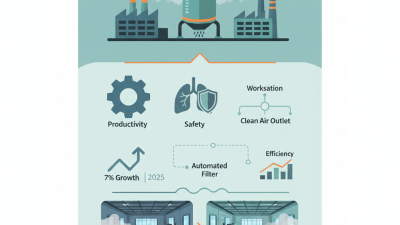
This chart showcases the top benefits of automated dust collection systems, highlighting their importance on a scale of 1 to 10. These systems provide significant advantages, from improved air quality to compliance with environmental regulations, ultimately ensuring a safer and more efficient working environment.