2026 Top Milling Equipment Trends You Should Know?
Milling equipment plays a crucial role in the manufacturing sector. As industries evolve, so do the technologies that drive milling processes. Experts agree that staying updated is essential. Jane Smith, a leading Milling Equipment specialist, once said, "Innovation in milling equipment directly impacts productivity and quality."
In 2026, we face significant trends in milling equipment. Automation continues to rise, driving efficiency. Advanced materials in production are becoming standard. Yet, challenges remain. Many manufacturers struggle to select the right equipment. This can lead to costly mistakes.
The push towards sustainability is compelling. Companies must adapt their machinery to meet environmental standards. As we explore these trends, it's crucial to reflect on what works and what doesn't. The future of milling equipment demands a balance between innovation and practicality. The road ahead is complex and requires thoughtful consideration.
Emerging Technologies in Milling Equipment for 2026
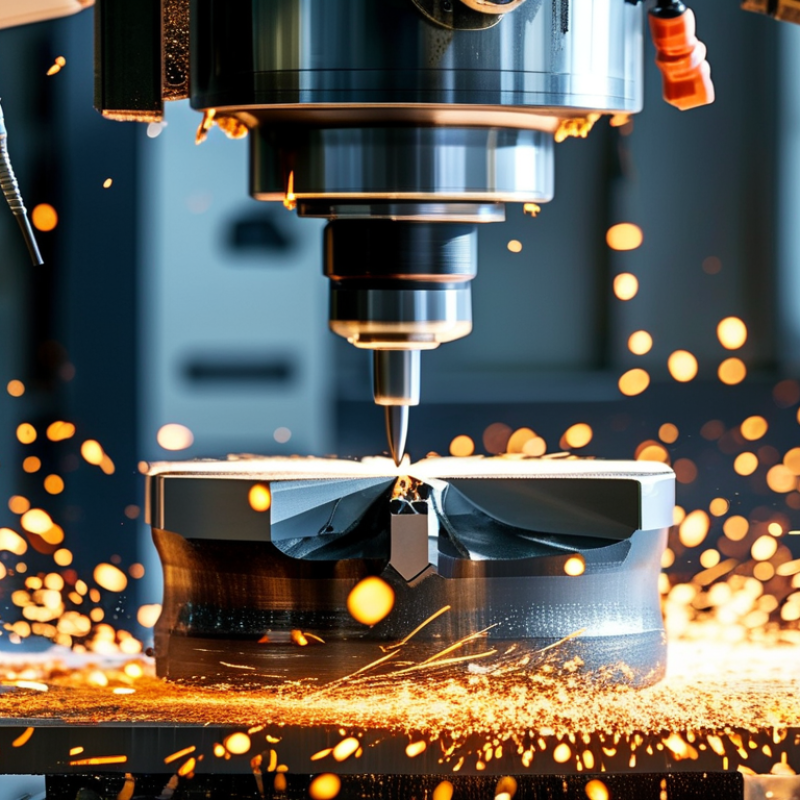
Emerging technologies in milling equipment for 2026 promise exciting advancements. Automation and AI technology are set to play a crucial role. These technologies can reduce operational costs and enhance precision. Manufacturers are adopting smart sensors that monitor performance in real-time. This capability ensures that equipment operates at optimal levels, minimizing downtime.
Investing in training for workers is vital. As equipment becomes more advanced, employees need new skills. Regular workshops can help bridge the knowledge gap. This ensures that teams fully utilize the technology available. It’s also essential to foster a culture of innovation. Encourage staff to share ideas on improving processes.
Sustainability is another significant trend. More companies are focusing on eco-friendly materials. This shift helps in reducing environmental impacts. The move towards energy-efficient machinery is crucial. Companies must evaluate their energy usage constantly. Creating a greener operation is worthwhile but requires consistent effort. Each step taken can lead to a more sustainable future.
2026 Top Milling Equipment Trends
Sustainability Trends Influencing the Milling Industry
Sustainability is reshaping the milling industry. More companies are recognizing the importance of eco-friendly practices. They are focusing on reducing energy consumption and waste. Renewable energy sources like solar and wind power are becoming common. These changes not only benefit the environment but also enhance efficiency.
Water management is another crucial aspect. Many mills are adopting technologies that minimize water usage. Advanced filtration systems help recycle water, ensuring that resources are not wasted. This approach can lead to significant cost savings over time. However, implementing such systems can be challenging for smaller mills due to upfront costs.
The push for sustainable materials is also notable. Mills are exploring plant-based and biodegradable packaging options. This shift is necessary as consumers demand greener products. Yet, transitioning to these materials can be a difficult process, needing more research and adaptation. The milling industry must balance innovation with practical application to truly embrace sustainability.
Advancements in Automation and Smart Milling Solutions
Advancements in automation are revolutionizing the milling industry. Smart milling solutions now utilize artificial intelligence and machine learning. These technologies enhance precision and efficiency in production. Operators can monitor processes in real-time, reducing the chance of errors. Sensors gather data, helping identify issues before they escalate.
Automation allows for fewer manual interventions. As a result, it minimizes the risk of human error. Workers are now more focused on oversight rather than routine tasks. However, reliance on these systems can introduce challenges. The initial setup costs can be high, and training staff is essential. Only with proper understanding can potential become reality.
Smart milling solutions are adaptable. They can be customized based on individual needs. This flexibility is important in today’s fast-paced market. Yet, over-automation might risk losing the human touch that ensures quality. Balance is key to leveraging technology while maintaining a personal approach.
2026 Top Milling Equipment Trends You Should Know
| Trend |
Description |
Impact |
| Automation |
Increased reliance on automated milling processes using robotics to enhance efficiency and reduce labor costs. |
Higher productivity and lower operational costs. |
| Smart Milling Solutions |
Integration of IoT technology for real-time monitoring and adjustments in milling processes. |
Improved quality control and waste reduction. |
| Sustainability |
Adoption of eco-friendly materials and processes in milling equipment production. |
Reduced environmental impact and enhanced corporate responsibility. |
| Data Analytics |
Utilization of big data for predictive maintenance and operational optimization. |
Minimized downtime and maximized asset utilization. |
| Advanced Materials |
Innovative materials in milling machinery that improve durability and performance. |
Longer equipment lifespan and better performance in challenging conditions. |
Key Market Players and Innovations in Milling Equipment
The milling equipment market is undergoing significant transformations. Key players are focusing on innovations that increase efficiency and reduce energy consumption. According to a recent industry report, the global milling equipment market is expected to grow at a CAGR of 5.6% from 2022 to 2028. This growth is driven by advancements in automation and smart technologies.
Several leading manufacturers are investing heavily in R&D. They aim to produce machinery that integrates IoT features. These innovations help operators monitor performance and predict maintenance needs. Enhanced productivity and reduced downtime are key benefits. However, some companies still struggle with implementation, showcasing a gap between technology and application.
Understanding these market dynamics is crucial. Consider the environmental impact as well. Greener solutions are emerging, yet many traditional practices remain in use. It's essential for businesses to assess their operations and adapt accordingly.
Recognizing trends can lead to smarter investments. Evaluate your current equipment against industry benchmarks. Look for opportunities to innovate. Review how competitors leverage advanced technologies. Small changes can result in significant gains over time.
Future Challenges and Opportunities in Milling Machinery Development
The milling machinery sector faces both challenges and opportunities in the coming years. John Deere’s report highlights that the global milling equipment market is expected to grow at a compound annual growth rate (CAGR) of 5.6% through 2026. This growth implies a strong demand, yet it also raises concerns about sustainability and efficiency. As companies seek to innovate, they must also grapple with environmental responsibility and resource management.
One significant challenge is the integration of smart technologies in milling machines. A report from Smithers indicates that the adoption of Industry 4.0 technologies can enhance efficiency by up to 30%. However, the transition is not seamless. Existing equipment may require retrofitting, which can be cost-prohibitive. Furthermore, training the workforce to utilize these technologies effectively presents another layer of complexity.
Opportunities exist in the realm of sustainability. The shift towards eco-friendly materials is gaining traction. A survey by Technavio found that 45% of industry stakeholders prioritize sustainable practices when choosing milling equipment. This indicates a market shift. Companies that adapt can gain a competitive advantage, yet they must be cautious. Balancing innovation with practicality is essential to meet both market demands and environmental standards.