How to Choose the Right Extrusion Equipment for Your Needs?
Choosing the right extrusion equipment is crucial for achieving optimal production outcomes. Many factors influence this decision, ranging from the material type to the desired end product. The right equipment can improve efficiency, enhance product quality, and ultimately boost profitability. However, navigating through the various options can be overwhelming.
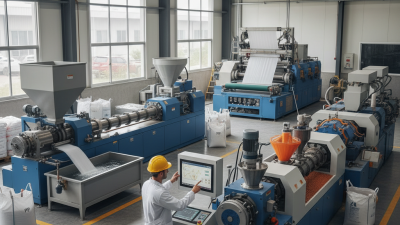
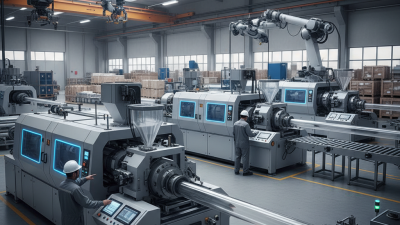
Understanding your specific needs is essential. Different extrusion machines serve different purposes. For instance, a single-screw extruder might be suitable for simpler processes, while twin-screw extruders offer versatility for complex formulations. Evaluating your production scale, material characteristics, and final application will guide you toward the best option.
Be mindful that investing in extrusion equipment requires careful consideration. An inappropriate choice can lead to costly mistakes. Assessing long-term needs and potential growth is vital in this process. Feedback from experienced professionals in the industry can provide valuable insights. It’s important to reflect on both current capabilities and future aspirations when selecting extrusion equipment.
Factors to Consider When Selecting Extrusion Equipment
When selecting extrusion equipment, several factors significantly influence your decision. The first consideration should be the material type you plan to extrude. Different materials, whether thermoplastics or thermosets, require specific configurations and temperature settings. Using the appropriate material can optimize the extrusion process, impacting product quality and operational efficiency.
Another important aspect is the equipment's capacity and throughput. According to industry reports, the global extrusion equipment market is expected to grow at a CAGR of 5% from 2021 to 2026. This growth emphasizes the need for efficient machinery that meets production demands without compromising on quality. Choosing an extruder that aligns with your production goals can minimize downtime and increase overall productivity.
Maintenance and support are often overlooked yet critical when selecting equipment. A report from the Plastics Industry Association highlights that improper maintenance can reduce equipment lifespan by up to 50%. Investing in reliable support and learning resources can mitigate potential issues. This ensures that your equipment continues to operate at optimal levels and adapt to changing production needs.
Types of Extrusion Processes and Their Applications
Extrusion processes are fundamental in many industries, including plastics, food, and metal fabrication. Each type of extrusion offers unique advantages, often dictated by the materials being processed. For instance, thermoplastic extrusion is commonly used for producing items like pipes and sheets. According to industry reports, this method accounts for approximately 70% of total extrusion output globally.
Another prevalent method is cold extrusion, particularly in metal forming. This process enhances strength and surface finish while minimizing waste. Data indicates that the cold extrusion market is expected to grow by 5.3% annually from 2023 to 2028. This growth reflects an increasing demand for more efficient production techniques. Each method has its specific applications and limitations. Selecting the right equipment requires an understanding of both material properties and desired end-use.
In addition to these methods, co-extrusion allows for layering different materials to achieve specific performance characteristics. This process covers a diverse range of applications, from medical device manufacturing to packaging solutions. However, achieving the perfect blend of materials can be difficult. Manufacturers must review their equipment carefully to ensure compatibility, as improper pairing can lead to subpar results and inefficiencies.
Extrusion Equipment Types and Their Applications
Key Specifications of Extrusion Machinery to Evaluate
When selecting extrusion equipment, understanding key specifications is crucial. The choice largely affects production efficiency and product quality. For example, the screw design significantly influences material melting and mixing. A high-quality single screw extruder can achieve a melt temperature of approximately 180°C, crucial for many polymers.
Another important factor is the die configuration. A well-designed die ensures a consistent product shape and improves throughput. According to industry data, the die design can enhance output by up to 30%, depending on the complexity of the shape. The cooling system is also vital; inadequate cooling can lead to defects, reducing the final product's quality.
Material compatibility plays an essential role in machinery selection. Not all extruders handle every type of polymer efficiently. Reports indicate that mismatching materials can cause production downtime or subpar outputs. Operators must consider operational and maintenance costs, as these factors directly impact overall profitability. Choosing the right extrusion machinery is not merely about the initial purchase but understanding the long-term implications.
Budgeting for Extrusion Equipment: Costs and Investments
Budgeting for extrusion equipment involves a careful assessment of costs and potential returns. Industry reports suggest that initial investments can vary widely, ranging from $20,000 to $250,000 depending on the complexity and scale of the equipment. A small startup may consider lower-cost options, while established firms often select more advanced machinery to meet production demands.
Maintenance costs are another important factor. They can account for up to 10% of the equipment's purchase price annually. It's crucial to factor in consumables, spare parts, and unexpected repairs when planning your budget. These ongoing expenses can significantly impact your overall operational costs and profitability.
Additionally, considering energy efficiency is vital. Equipment that consumes less power may have a higher upfront cost but can lead to significant savings in the long run. Reports indicate that energy costs can make up nearly 20% of manufacturing expenses. Investing in efficient technology can transform your budget outlook and improve your competitive edge. Ultimately, making informed decisions around expenditure will shape your production capabilities and financial health.
Maintenance and Support Services for Extrusion Machines
Maintenance is crucial for the efficient operation of extrusion machines. Regular upkeep can prevent costly downtime. Reports indicate that improper maintenance can lead to a 30% reduction in the lifespan of extrusion equipment. Investing in robust support services is equally important to ensure optimal performance.
Tips: Schedule routine inspections monthly. This can help identify issues early and keep machines running smoothly.
Training your staff on maintenance protocols also enhances equipment longevity. A knowledgeable team can perform basic troubleshooting, reducing reliance on external support. However, not all maintenance can be handled in-house. Professional support services are essential. They have the expertise to handle complex repairs that may arise.
In some cases, businesses overlook the importance of having a reliable service partner. This can result in extended downtimes and losses. Data shows that companies with effective support agreements experience 40% less unplanned downtime. Prioritizing maintenance and support services sets the foundation for long-term success in extrusion processes.