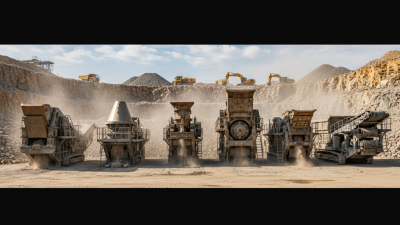
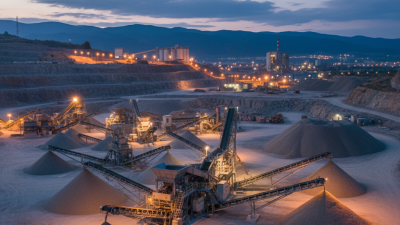
2026 Best Crushing Equipment for Global Buyers to Consider?
As industries continue to evolve, the demand for effective Crushing Equipment has surged. A report by Grand View Research indicates that the global crushing equipment market is projected to reach $5.2 billion by 2026. This growth presents various opportunities and challenges for buyers. Selecting the right equipment can significantly enhance operational efficiency and productivity.
Key factors to consider in the decision-making process include technology, maintenance needs, and material compatibility. For instance, trending technologies like mobile crushers offer flexibility, but may require higher maintenance. Buyers must evaluate the cost-effectiveness of these innovations against traditional models. Despite advancements, some equipment may underperform in specific environments.
Moreover, environmental regulations are becoming stricter, affecting machinery choices. Companies are encouraged to prioritize eco-friendly options. Understanding these trends is crucial for making informed decisions. The Crushing Equipment landscape is complex, yet navigating it skillfully can yield significant benefits for industries worldwide.
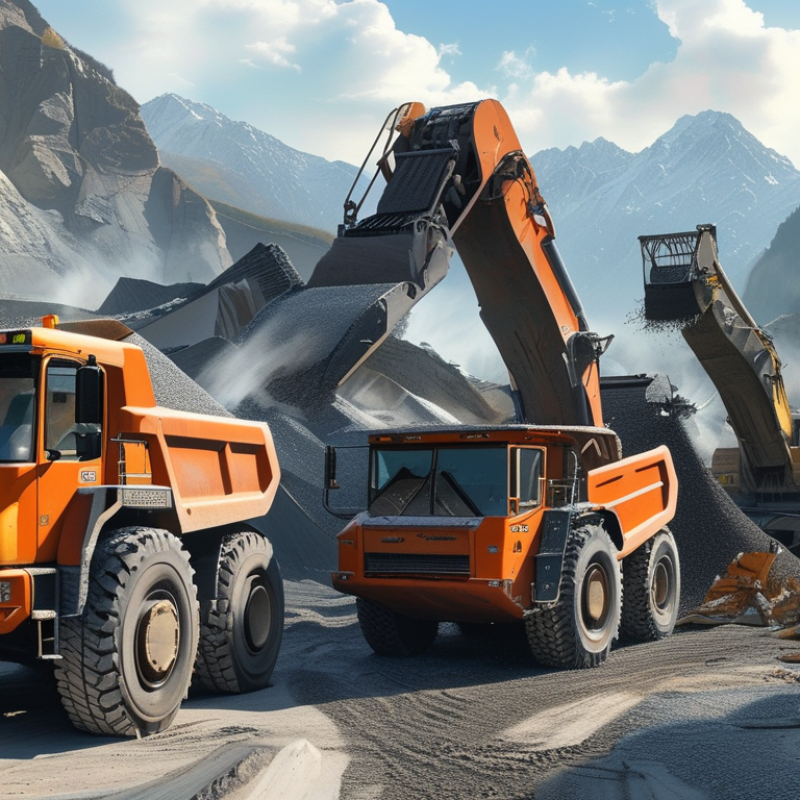
2026 Overview of Crushing Equipment Market Trends and Innovations
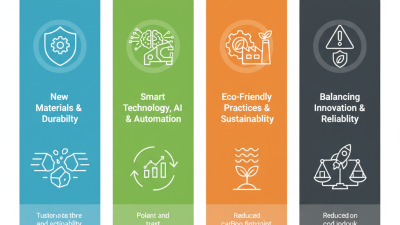
The crushing equipment market is evolving rapidly. One notable trend is the integration of advanced technologies. Automation is becoming increasingly prevalent, reducing the need for manual oversight. This shift leads to higher efficiency and lower operational costs. Operators benefit from real-time data analytics, which enhance decision-making processes.
Sustainability is another key focus. Manufacturers are designing machines that minimize energy consumption. This directly impacts the environment. There are innovations in materials that improve durability while reducing waste. These advancements not only promote environmental responsibility but also appeal to a growing segment of eco-conscious buyers.
However, challenges remain. The demand for crushed materials fluctuates, creating uncertainties in the market. Companies must adapt quickly to changing regulations and consumer preferences. Investment in R&D is crucial but may not yield immediate returns. As the industry progresses, a balance between innovation and practicality will be essential for success in 2026.
Key Specifications and Features to Evaluate Crushing Equipment
When selecting crushing equipment, buyers need to focus on key specifications that determine performance and efficiency. One crucial factor is the crushing ratio. This ratio indicates how much raw material is reduced in size. According to industry reports, an optimal crushing ratio can improve productivity by up to 30%. Buyers should look for equipment with adjustable settings, as flexibility can adapt to various material types.
Another important feature is the feed opening size. A larger feed opening allows for bulkier materials, leading to less downtime for adjustments. Reports suggest that machines with wide openings can reduce operational costs by approximately 15%. Additionally, consider the power consumption of the equipment. More efficient models can significantly lower energy expenses, leading to a quicker return on investment.
Maintenance requirements also matter. Equipment with advanced wear protection can reduce frequent repairs, which is crucial for long-term operation. Statistics show that poorly maintained machines can incur costs nearly double that of well-maintained counterparts. Reflecting on these details can guide buyers in making informed decisions that balance cost efficiency and operational excellence.
Top Crushing Equipment Brands Dominating the Global Market in 2026
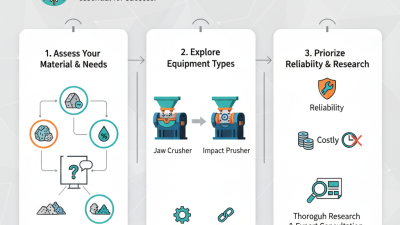
The global crushing equipment market continues to evolve in 2026. Buyers are seeking reliable machines with advanced features and high efficiency. Key brands have established themselves with innovative technologies and robust designs. This trend emphasizes the need for thorough research before making any purchasing decision.
Some brands have developed unique approaches to meet industry demands. They focus on durability and ease of maintenance. These considerations are crucial for businesses aiming to reduce downtime. However, fluctuations in raw material costs can impact pricing strategies. Buyers need to pay attention to market trends to get the best deal.
Moreover, sustainability is becoming increasingly important. Many buyers desire equipment that operates with lower emissions and reduced energy consumption. Insights into how these brands are adapting can guide buyers’ choices. It is essential to evaluate the balancing act between cost, performance, and ecological responsibility.
Cost Analysis: Budgeting for the Best Crushing Equipment Options
When considering the best crushing equipment for global buyers in 2026, cost analysis is crucial.
One must account for not only the initial purchase price but also ongoing operational costs.
This includes maintenance expenses, energy consumption, and wear-and-tear components.
Buyers should estimate the lifespan of the equipment. A cheaper initial option might incur higher long-term costs due to frequent repairs.
Evaluate the total cost of ownership. It’s often overlooked.
High-quality equipment typically comes with better efficiencies and lower downtime. However, the initial capital may deter some buyers.
Investing in reliable machinery can lead to significant savings over time. It’s a balancing act between upfront costs and potential future savings.
Buyers should also assess training needs for operators.
Inefficient use of equipment can lead to increased wear and energy costs. Spending on training might add to the budget but can improve overall productivity.
An informed decision involves analyzing all these factors, ensuring clarity in budgeting. Reflect on past experiences and gather insights from industry experts.
Their perspectives can shape a more insightful purchasing strategy.
Sustainability Trends in Crushing Equipment: Eco-Friendly Solutions
As the world leans into sustainable practices, crushing equipment is no exception. Innovations are emerging to reduce environmental impact. Eco-friendly machinery now utilizes energy-efficient technologies. Incorporating renewable energy sources is becoming a common practice. Companies are exploring materials that minimize waste. These changes are crucial for a greener future.
Tips: Look for equipment that offers lifecycle analysis. Evaluate the long-term benefits of eco-friendly solutions. This helps in making informed decisions.
Some manufacturers are still lagging behind in sustainability. They often prioritize cost over environmental impact. This poses a challenge for buyers eager for change. It’s essential to research and understand which brands are committed to sustainability. Ask about the sustainability measures they implement. This knowledge will empower you to make responsible choices.
Investing in sustainable crushing equipment can lead to cost savings. Efficiency translates to lower operational costs. Using less energy reduces overall expenses. Keep an eye on advancements in technology that promise even more eco-friendly solutions.