Leave Your Message

What Is the Best Extrusion Equipment for 2026?

Choosing the best Extrusion Equipment for 2026 will not depend on speed alone. It will depend on product quality, energy use, material flexibility, and measurable operating costs. A machine producing 500 kilograms per hour is not automatically the right choice. A poorly matched screw can create unstable pressure, uneven melt temperature, and visible surface defects.

Industry forecasts show continued investment. Grand View Research identifies plastics extrusion as a growing market, driven by packaging, construction, automotive, and recycled materials. MarketsandMarkets also reports rising demand for plastic extrusion machinery through 2029, especially for efficient and automated systems. These reports are useful, but their forecasts should not replace factory-level testing. Market data cannot see your resin, operators, floor space, or maintenance history.

Chris Rauwendaal, author of Polymer Extrusion, explains the process clearly: “The purpose of extrusion is to convert a solid polymer into a continuous product.” That simple definition still matters. The best equipment must control temperature, pressure, throughput, and material residence time continuously. It should also support recycled content without sacrificing stability.

This is where many buying guides become too confident. They compare brochures, but ignore commissioning delays and operator training. That is a mistake. A practical 2026 evaluation should include screw design, drive efficiency, automatic gauging, filtration, predictive maintenance, and after-sales support. Consider the whole line, not only the extruder.

The final decision may be less impressive than expected. A smaller, well-configured system can outperform a larger machine with poor process control. In the following sections, we examine which technologies deserve investment, which claims require caution, and how manufacturers can select Extrusion Equipment with stronger evidence.
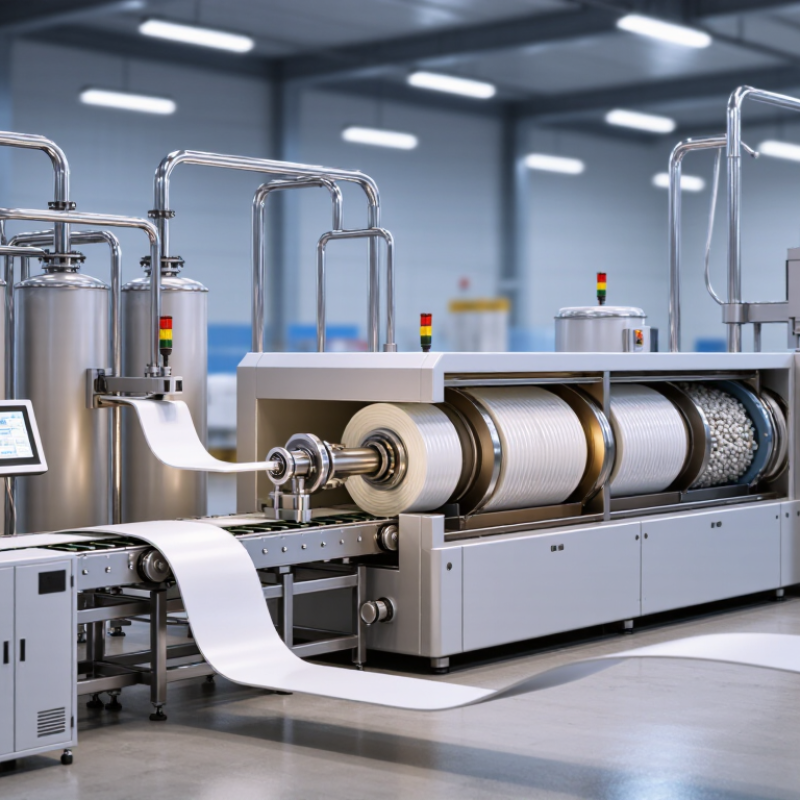
What Is the Best Extrusion Equipment for 2026?

Extrusion Equipment: Definition, Purpose, and Core Operating Principles

Extrusion Equipment: Definition, Purpose, and Core Operating Principles

Extrusion equipment converts solid polymers into continuous products. Pellets enter a heated barrel, where rotating screws convey, melt, mix, and pressurize the material. A shaped die then forms film, pipe, sheet, profiles, or coated wire.

The equipment’s purpose is controlled continuity. Temperature zones soften the polymer gradually, while screw geometry manages residence time and dispersion. A screen changer removes contaminants. A cooling system stabilizes dimensions. Pullers and cutters determine final length and speed. Small temperature errors can create gels, bubbles, or uneven thickness.

Data Shows Why Selection Matters

PlasticsEurope’s Plastics—The Fast Facts 2024 reports global plastics production reached 413.8 million tonnes in 2023. A 2024 market analysis estimated the global plastic extrusion market at more than 7 billion US dollars, with steady growth expected through 2030. These figures support demand for efficient, adaptable lines, but market forecasts are not operating guarantees.

Choosing Equipment for 2026

For 2026, the best extrusion equipment should match the polymer, output target, die design, and quality tolerance. Twin-screw systems suit intensive blending and filled compounds. Single-screw systems often provide simpler, economical processing for stable materials. Servo drives can improve speed control, yet they cannot correct poor drying or inconsistent feedstock.

I have seen production teams overvalue maximum throughput. That choice can increase scrap and maintenance. Energy monitoring, melt-pressure sensors, and easy-clean surfaces deserve equal attention. One detail is often missed: laboratory trials should imitate production moisture, cooling, and residence time. Otherwise, excellent test results may fail on the factory floor.
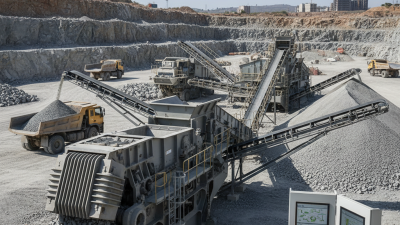
Key Extrusion Machine Types and Their Suitable Applications

The best extrusion equipment for 2026 depends on the material, output target, and finished product. Single-screw extruders suit stable materials and consistent production. They are commonly used for pipes, sheets, profiles, and basic film. A steady melt flow matters more than impressive speed. I have seen operators choose larger machines, then struggle with unnecessary energy use.

Twin-screw extruders handle mixed formulations more effectively. Their strong blending action suits filled plastics, recycled materials, compounds, and temperature-sensitive recipes. Co-rotating designs support controlled mixing, while counter-rotating designs can benefit certain profile applications. Film extrusion lines create thin packaging films, but they need precise cooling and tension control. Pipe and profile lines require calibrated dies, vacuum sizing, and stable haul-off units. Pelletizing systems are useful when uniform granules are the real production goal. One machine rarely does everything well.

Tips: Match the screw design to the material, not only the expected output. Check melt temperature, residence time, cleaning access, and spare-part availability before buying. Ask for trial runs using your actual formulation. Measure power consumption at normal production speed. Digital sensors can reveal pressure changes early, but operators still need practical judgment. I would also leave room for adjustment; material batches can vary, and laboratory results may not reflect a long production shift.

What Is the Best Extrusion Equipment for 2026?

Key extrusion machine types, typical throughput ranges, and suitable applications

Throughput ranges shown are representative industrial ranges in kilograms per hour. Single-screw systems are commonly selected for stable melting and continuous production, while twin-screw machines are preferred for compounding, mixing, and material formulation. Sheet, film, pipe, and profile equipment should be selected according to the required product geometry, cooling method, dimensional accuracy, and output rate. Actual performance depends on polymer type, screw design, die size, moisture content, and operating conditions.

How to Compare Extruders by Materials, Output, and Process Requirements

What Is the Best Extrusion Equipment for 2026?

How to Compare Extruders by Materials, Output, and Process Requirements

Choosing extrusion equipment in 2026 starts with the material, not the machine’s brochure. A processor handling rigid polymers may need high torque, stable barrel temperatures, and wear-resistant screw components. Recycled feedstock adds variation. Moisture, dust, and mixed melt flow can change pressure within minutes. Drying and filtration capacity matter as much as screw diameter.

Output targets must be measured under real conditions. A rated figure can look impressive. It may assume ideal resin, steady feeding, and perfect cooling. Compare kilograms per hour at your actual melt temperature and formulation. Check motor load, pressure stability, energy use, and changeover time. A smaller extruder can outperform a larger one when it runs consistently. No comparison is perfect.

Process requirements decide the final fit. Film, pipe, sheet, compounding, and profile production each demand different mixing, cooling, and die control. Ask for trial data using your material. Record melt temperature, residence time, strand quality, and start-up waste. I have seen teams choose equipment from peak output alone, then struggle with surging during production. That choice was understandable, but incomplete. The better comparison includes maintenance access, operator skill, spare-part availability, and safety controls. Keep a small margin for future recipes.

Critical Performance, Automation, and Energy-Efficiency Considerations for 2026

What Is the Best Extrusion Equipment for 2026?

Critical Performance, Automation, and Energy-Efficiency Considerations for 2026

The best extrusion equipment in 2026 should deliver stable output, not impressive specifications alone. A consistent melt profile protects product quality during long production runs. Operators should inspect pressure variation, temperature recovery, and screw wear under real production conditions. Small fluctuations can create visible defects, especially in thin profiles or multilayer products.

Automation now supports faster decisions on the factory floor. Useful systems track motor load, melt pressure, temperature zones, and material usage continuously. Automatic adjustments can reduce operator workload and prevent several common process errors. However, automation is not a substitute for skilled supervision. Poor sensor calibration can make a smart system confidently repeat bad settings. That risk deserves regular testing.

Energy performance also requires practical measurement. Compare specific energy consumption, measured per kilogram of finished product. Efficient drives, improved barrel insulation, and heat recovery can reduce unnecessary losses. Shorter warm-up periods may save power during frequent changeovers. Yet, some energy-saving features increase maintenance demands. I would question any claim that lacks verified production data. A detailed trial, with identical materials and output targets, provides more reliable evidence than a brochure.

What Is the Best Extrusion Equipment for 2026? - Critical Performance, Automation, and Energy-Efficiency Considerations for 2026
Equipment selection should be based on material behavior, required output, product geometry, process stability, automation goals, and total energy consumption rather than machine type alone.
Equipment Type Best-Fit Applications Typical Throughput Range Typical Specific Energy Use Material Flexibility Automation Potential Process-Control Capability Primary 2026 Advantages Main Limitations Overall 2026 Suitability
Single-Screw Extruder Films, pipes, profiles, sheets, cables, and other continuous products using relatively uniform thermoplastics 5–1,500 kg/h
Highly dependent on screw diameter, material, and product design
0.20–0.45 kWh/kg
Typical production-planning range
Medium
Best with consistent, well-dried feedstock
High
Can support gravimetric dosing, closed-loop temperature control, recipe management, and remote monitoring
High
Stable melt-temperature and pressure control when correctly configured
Simple design, efficient continuous operation, relatively low capital cost, and strong suitability for high-volume production Limited mixing, devolatilization, and reactive-processing capability compared with twin-screw systems Excellent for standardized high-volume products
Co-Rotating Twin-Screw Extruder Compounding, filled and reinforced polymers, color concentrates, recycled materials, reactive processing, and specialty formulations 20–3,000 kg/h
Varies with screw diameter, formulation, and residence time
0.25–0.70 kWh/kg
Higher torque and mixing intensity can increase consumption
Very High
Suitable for additives, fillers, fibers, and variable formulations
Very High
Advanced recipe control, feeder synchronization, torque monitoring, and predictive maintenance are practical
Very High
Excellent control of mixing, residence time, venting, and melt pressure
Strongest option for formulation flexibility, recycled-content integration, additive dispersion, and data-driven process optimization Higher purchase and maintenance costs; process setup requires greater technical expertise Best for complex materials and flexible production
Counter-Rotating Twin-Screw Extruder Rigid PVC pipes, profiles, window sections, technical profiles, and formulations requiring controlled conveying and low-shear processing 30–1,200 kg/h
Depends on screw configuration and product cross-section
0.18–0.40 kWh/kg
Often favorable for rigid PVC profile production
Medium to High
Strong performance with PVC and selected heat-sensitive formulations
High
Suitable for automatic dosing, melt-pressure control, calibration control, and line synchronization
High
Good control of residence time, temperature, and output consistency
Low-shear conveying, effective fusion for rigid PVC, and good dimensional stability in profile production Less versatile for broad compounding duties; tooling and formulation changes may require specialist knowledge Best for rigid PVC and profile lines
Direct-Drive Film Extrusion Line Blown or cast films, packaging films, agricultural films, hygiene films, and barrier-film structures 30–1,200 kg/h
Multilayer configurations may use several synchronized extruders
0.25–0.55 kWh/kg
Includes extrusion and typical line auxiliaries
Medium
Depends on film structure, moisture sensitivity, and resin blend
Very High
Automatic gauge control, tension control, recipe handling, and defect detection are available
Very High
Requires coordinated control of melt pressure, thickness, cooling, speed, and winding
High productivity, strong integration with quality inspection, and significant scrap reduction through closed-loop gauge control Complex line integration, higher commissioning requirements, and sensitivity to feedstock and cooling conditions Best for automated film production
Sheet and Plate Extrusion Line Thermoforming sheet, construction sheet, solid plate, multilayer sheet, and recycled-content sheet products 100–2,500 kg/h
Output depends on sheet width, thickness, and cooling capacity
0.22–0.50 kWh/kg
Downstream cooling and calendering influence total use
Medium to High
Can process virgin, recycled, and multilayer structures with suitable filtration
High
Automatic thickness control, roll-gap adjustment, edge-trim management, and line-speed control are common
High
Thickness, flatness, temperature, and surface quality can be continuously monitored
Strong dimensional control, efficient integration with inline inspection, and good compatibility with recycled feedstock when filtration is adequate Large floor space, substantial cooling demand, and sensitivity to die and roll calibration Best for high-volume sheet and plate products
Profile Extrusion Line Window profiles, seals, conduits, trim, technical sections, and custom construction components 20–600 kg/h
Usually constrained by profile geometry and calibration requirements
0.25–0.60 kWh/kg
Cooling, calibration, and puller settings affect consumption
Medium
Material selection is strongly linked to profile geometry and surface requirements
High
Supports automatic haul-off, cutting, length measurement, and recipe-based setup
High
Dimensional control depends on synchronized extrusion, vacuum calibration, cooling, and haul-off
Good product customization, repeatable dimensions, and effective integration with automated cutting and inspection Tooling changes can be time-consuming; complex profiles require careful cooling and calibration design Best for repeatable profile production
Ram or Plunger Extruder Ultra-high-viscosity compounds, low-shear processing, ceramic bodies, fluoropolymers, and specialized discontinuous extrusion tasks 1–150 kg/h
Generally selected for material behavior rather than maximum output
0.35–0.90 kWh/kg
Intermittent operation and auxiliary systems can raise specific energy use
Medium
Useful for materials that are difficult to process with rotating screws
Medium
Can be automated, but continuous high-speed integration is more limited
Medium
Good pressure control but less continuous process feedback than modern screw systems
Handles difficult materials and low-shear applications where conventional screw extrusion may be unsuitable Lower productivity, less continuous operation, and weaker economics for mainstream thermoplastic production Best for specialized materials and low-volume production
Recycling and Re-Compounding Extrusion System Post-industrial and post-consumer plastics, film reclaim, pelletizing, filtration, degassing, and recycled-content preparation 50–2,000 kg/h
Strongly affected by contamination, moisture, bulk density, and filtration level
0.30–0.85 kWh/kg
Washing, drying, densification, and filtration may add significant energy demand
High, with preparation
Requires material sorting, moisture control, melt filtration, and contamination management
Very High
Supports automatic feeding, moisture monitoring, melt filtration, odor control, and quality data logging
Very High
Pressure, temperature, vacuum, filter condition, and material quality require continuous monitoring
Supports circular-material targets, automated quality control, and improved yield from production scrap Feedstock variability can reduce output stability; total energy use depends heavily on upstream washing and drying Best for circular production and recycled-content goals
Data interpretation: Throughput and specific-energy values are representative planning ranges for industrial thermoplastic extrusion systems, not guaranteed machine specifications. Actual results vary with screw diameter, polymer grade, moisture content, filler level, product geometry, melt temperature, die pressure, cooling requirements, line speed, and auxiliary equipment. For final selection, compare total specific energy consumption, usable output, changeover time, scrap rate, maintenance requirements, and automation integration at the intended operating point.

Selecting the Best Extrusion Equipment for Different Production Goals

What Is the Best Extrusion Equipment for 2026?

Selecting the Best Extrusion Equipment for Different Production Goals

The best extrusion equipment depends on the production goal, not the largest nameplate capacity. For high-volume profiles, a twin-screw system can provide strong mixing and stable output. A single-screw line may suit simpler materials and lower operating complexity. Match the screw design, motor size, and die to the actual resin and product geometry. Oversizing equipment often increases energy use, changeover time, and maintenance costs.

Material recovery requires a different decision. The OECD reported that only 9% of global plastic waste was recycled in 2019. A recycling-focused line should therefore prioritize filtration, melt-pressure control, drying, and contaminant tolerance. Feedstock quality changes daily. Design for that reality. Poorly prepared flakes can cause surging, bubbles, and uneven pellet quality, even with excellent downstream equipment.

Energy performance also deserves measurement. PlasticsEurope reported global plastics production of 413.8 million tonnes in 2023. At this scale, small efficiency gains matter. Consider direct-drive motors, barrel insulation, automatic temperature control, and stable cooling systems. Ask suppliers for verified output per kilowatt-hour, not attractive laboratory figures. Factory trials remain essential. A line that performs well during a short demonstration may struggle during a twelve-hour shift. The uncomfortable lesson is simple: equipment selection is partly engineering and partly disciplined skepticism.