China Top Automatic Dust Collector Solutions for Global Buyers?
The global demand for efficient air quality solutions is on the rise. According to a recent report by Market Research Future, the market for Automatic Dust Collectors is projected to reach $15 billion by 2026. This surge highlights the importance of effective dust management systems in various industries.
Automatic Dust Collectors play a crucial role in minimizing airborne pollutants. They help industries comply with stringent regulations while enhancing operational efficiency. A study published by Research and Markets indicates that capturing even fine particulate matter significantly improves workplace safety. However, not all systems are equally effective, and buyers often face challenges in selecting the right solution.
It’s vital to consider various factors when evaluating Automatic Dust Collectors. Performance metrics, energy consumption, and maintenance requirements should all be weighed carefully. Furthermore, while many products claim efficiency, buyers need to question long-term reliability. Striking a balance between cost and performance can be difficult. This decision requires careful thought, as the right solution can lead to considerable benefits.
Overview of Automatic Dust Collector Solutions in China
China has emerged as a key player in the development of automatic dust collector solutions. The rise in industrial activity has created a significant demand for efficient dust management systems. According to a recent industry report, the market for dust collection systems in China is expected to grow at a CAGR of 8.1% through 2027. This growth highlights the increasing emphasis on workplace safety and environmental compliance among manufacturers.
Automatic dust collectors utilize advanced technologies, such as pulse jet cleaning and high-efficiency filters. These systems can reduce particulate emissions by over 99% in some applications. However, not all solutions are equally effective. Businesses must carefully assess their specific requirements. Selecting a suboptimal solution can result in compliance issues and increased operational costs.
Moreover, the manufacturing landscape in China is evolving. Many factories are modernizing their ventilation and filtration systems to meet stringent regulations. This shift presents both challenges and opportunities. Companies face pressure to adopt cutting-edge technology while managing costs. As the industry matures, collaboration among technology providers and users will be critical in optimizing dust collection efforts.
Key Players in China's Automatic Dust Collector Market
China's automatic dust collector market has grown significantly. This growth is due to increasing industrial activities and stringent environmental regulations. Alongside these factors, the demand for effective dust management solutions is rising. Key players are continuously innovating to offer better performance, which is essential for compliance with safety standards.
Companies in this sector are focusing on efficiency and energy savings. This focus means they are developing systems that reduce energy consumption while maximizing dust extraction capabilities. Automation plays a critical role in enhancing the precision and effectiveness of dust collection processes. However, not all systems perform equally well. Some may still struggle in complex industrial environments, highlighting the need for thorough assessments before implementation.
Investing in automatic dust collectors can be complicated. It’s essential to evaluate your specific needs first. Conducting a thorough analysis of your dust types and volumes will guide your choice. Always consider the system’s maintenance requirements; this can impact long-term operation costs. Understanding the technology in your dust collector will also help you address failures quickly and efficiently. Don’t overlook the importance of choosing a reliable supplier. A strong support network can make a massive difference in the lifespan and efficiency of the equipment.
Innovative Technologies in Dust Collection Systems
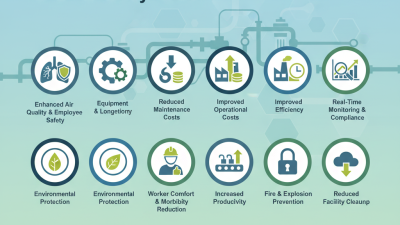
Innovative technologies in dust collection systems are essential for modern industries. These advancements enhance efficiency and protect worker health. Advanced filtration methods significantly reduce airborne particles. Many systems now use smart sensors for real-time monitoring. These sensors help in maintaining optimal performance.
Another noteworthy innovation is the use of modular designs. These allow for easy expansion and customization. Companies can adapt their systems according to changing needs. However, not all systems provide the same level of reliability. Companies must carefully assess their options to ensure they choose a suitable solution.
The shift towards sustainable practices is another trend. Many systems are designed to minimize energy consumption and environmental impact. While many solutions are available, it’s important to recognize the need for continuous improvement. Manufacturers must also focus on user training and support to maximize the effectiveness of these new technologies.
Global Demand Trends for Automatic Dust Collectors
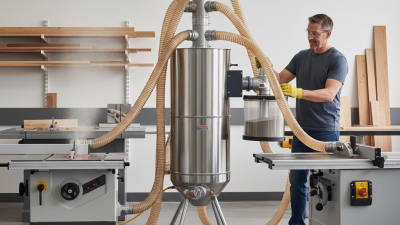
The global demand for automatic dust collectors is rising. As industries prioritize clean air regulations, these systems are essential. Heavy manufacturing, woodworking, and food processing facilities rely on effective dust collection. Countries are adopting stricter environmental standards. This increases the market need for advanced solutions.
Various factors influence demand trends. Companies seek more efficient and cost-effective technologies. They aim to cut operational costs while enhancing indoor air quality. Energy efficiency is crucial in selecting equipment. Businesses need to consider the total cost of ownership, not just the initial investment.
Investing in automatic dust collector solutions offers long-term benefits. Regular maintenance plays a role in sustaining efficiency. A well-maintained system can save money on repairs and energy. Clear communication with suppliers ensures you understand product capabilities. Don’t overlook the importance of varying industry needs. What works for one sector may not suit another. Keep refining your approach based on changing market conditions.
Global Demand Trends for Automatic Dust Collectors
This chart illustrates the global demand trends for automatic dust collectors across different regions. The highest demand is observed in Asia, followed by Europe and North America. Understanding these trends is essential for manufacturers and suppliers to align their production and marketing strategies effectively.
Comparison of Cost-Effectiveness in Dust Collection Solutions
When evaluating dust collection solutions, cost-effectiveness becomes paramount for global buyers. A recent industry report indicated that automatic dust collectors can reduce operational costs by up to 30% when compared to manual systems. Lower maintenance costs and increased efficiency contribute significantly to this reduction. Data shows that a well-designed automatic system can capture up to 99.9% of airborne particles, drastically improving workplace safety and air quality.
However, not all automatic systems deliver the same performance. Some units may require frequent filter changes or have higher energy consumption rates. Buyers should consider the total cost of ownership, which includes installation, maintenance, and energy costs over time. In some instances, cheaper systems may lead to increased long-term expenses due to inefficiency or environmental compliance issues.
Evaluate your specific needs and options carefully. Seek expert opinions and reliable data to guide your decision-making process. Investing time in research can yield significant long-term savings. Identify key performance metrics that align with your operational goals. Focus on the right combination of efficiency and reliability to create a solution tailored for your industry.