How to Choose the Best Automatic Case Packer for Your Needs?
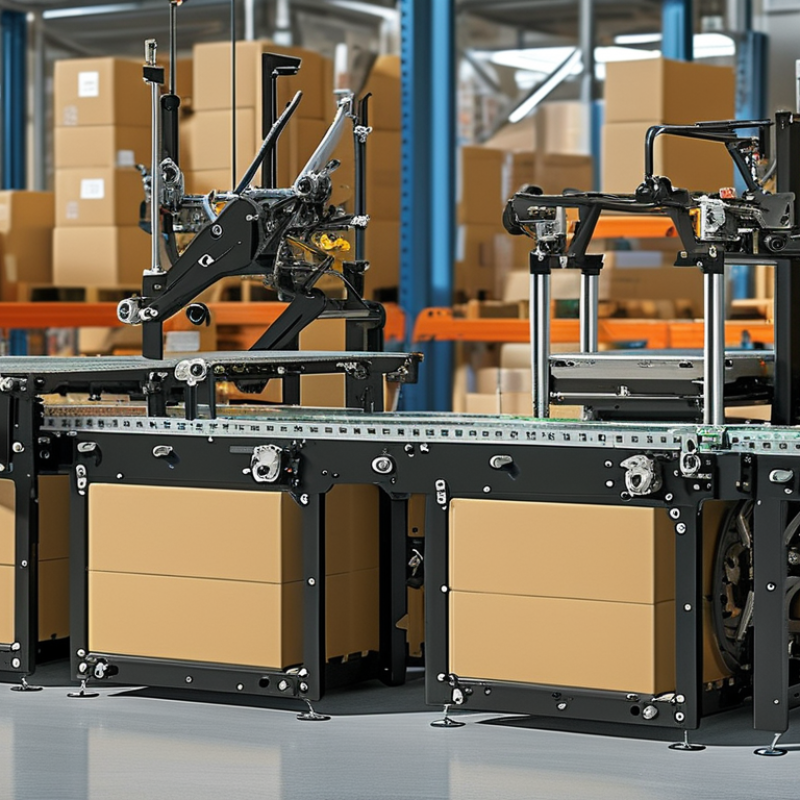
Choosing the best Automatic Case Packer can be challenging. Many factors come into play when making this decision. Companies must understand their unique packaging needs and production goals. The right equipment can significantly enhance efficiency and reduce labor costs.
An Automatic Case Packer streamlines the packing process. It ensures consistency and precision. However, not all models are created equal. Features vary greatly between different machines. Buyers should consider factors such as speed, size adaptability, and ease of use. It's vital to assess your product types and throughput requirements.
Investing in an Automatic Case Packer is a long-term commitment. This decision can impact overall productivity. Companies often find themselves overwhelmed by options. Exploring user reviews and supplier expertise can help clarify choices. Remember, the best solution should align closely with your operational needs.
Factors to Consider When Selecting an Automatic Case Packer
Choosing the right automatic case packer requires careful consideration of several factors. One key aspect is the type of product being packaged. The size, shape, and weight of your items will influence the design of the machine. For instance, fragile products need gentle handling. A packer with adjustable settings can accommodate different products as your line changes.
Another important factor is the speed and efficiency of the machine. Think about your production needs. A case packer that meets your throughput requirements can improve overall productivity. However, faster isn’t always better. Sometimes, a slower, more reliable machine is advantageous for quality assurance.
Tips for choosing include analyzing your current production line. Conduct measurements and observe workflow efficiency. Test different packing styles if possible. Also, review maintenance requirements. A machine with easy access for repairs can save time. It may be beneficial to consult with experts. They can provide insights specific to your industry, helping you avoid costly mistakes.
Types of Automatic Case Packers and Their Applications in Industry
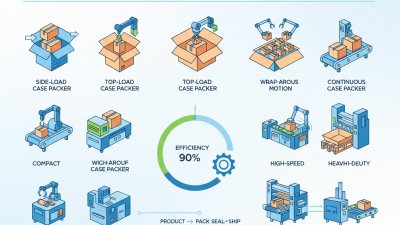
Automatic case packers come in various types, each designed for specific applications. The most common types are robotic case packers, horizontal case packers, and top-load case packers.
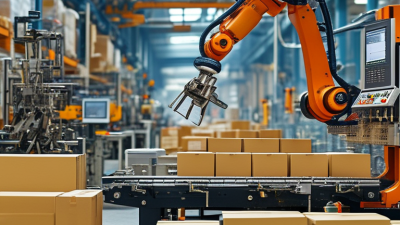
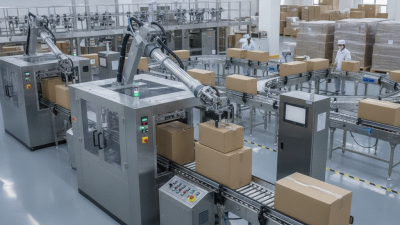
Robotic packers use advanced automation to handle irregularly shaped products. They excel in flexibility and can adapt to different packaging needs. Horizontal case packers are great for high-speed production lines, especially for stable boxes. They typically operate with minimal supervision. Meanwhile, top-load case packers are suitable for products in bulk, allowing for easy loading from above.
Tips: Assess the size and shape of your products before selecting a type. Ensure that the automatic case packer can handle your specific packaging requirements. The speed of operation is also vital for maintaining production efficiency.
Another important factor is the integration of the case packer into existing production lines. Some systems require more space or additional equipment. It might be challenging to fit a larger machine into a tight layout. Operators should be trained to handle machine maintenance and troubleshooting effectively. Proper training can prevent disruptions in the workflow.
Ultimately, investing in the right automatic case packer is crucial. It can streamline operations and enhance productivity. However, every manufacturing environment is unique, and it’s essential to reflect on your specific needs before making a decision.
Evaluating Production Rates: Matching Case Packer Speed to Demand
Choosing an automatic case packer requires careful evaluation of your production needs. One key factor is matching the speed of the case packer to your expected demand. High-speed machines can handle large volumes, but they may not be necessary for smaller operations. Consider your production rates and whether they can justify the investment in a faster machine.
In practice, it’s important to analyze your current output. If your throughput is erratic, a case packer with variable speed settings may be advantageous. Evaluate not only the maximum speed but also the machine's ability to adapt to fluctuations in demand. A case packer that excels in stability can lead to smoother operations and less downtime.
Assessing the machine's capabilities requires expertise and experience. Look for user reviews and case studies from similar industries to gauge performance. However, ensure these sources are reliable. Remember, the best solution might not always mean the fastest option. Reflect on your long-term needs and the possibility of future growth when making your decision.
Key Features and Technologies in Modern Automatic Case Packers
When selecting an automatic case packer, understanding key features is crucial. Modern automatic case packers incorporate advanced technologies. These range from high-speed operation to adaptive packaging capabilities. Speed is important for efficiency, but reliability matters too. A machine may perform well in tests but fail under real market conditions. Evaluating different packing speeds and reliability can be complex.
Another vital feature is ease of operation. User-friendly interfaces enable operators to make adjustments swiftly. However, some designs may overcomplicate simple tasks. It’s essential to prioritize machines that balance sophisticated technology with usability. Additionally, consider the machine's adaptability to various product types. Can it handle different case sizes? Some machines struggle when switching formats, increasing downtime.
Maintenance is often overlooked but equally important. A machine might claim durability, but wear and tear reveal hidden issues. Regular assessments can help prevent breakdowns. It’s wise to look for case packers that provide clear maintenance guidelines. They can ease the process and extend the machine's life. The right balance of features and practical considerations ensures a strong investment.
Total Cost of Ownership: Analyzing Investment vs. Returns
When evaluating automatic case packers, the total cost of ownership (TCO) is crucial. This encompasses initial investment, operational costs, and long-term maintenance. Understanding these factors can guide businesses in making informed decisions. A lower purchase price may seem appealing, but hidden costs can accumulate over time. Investments that appear economical may lead to unexpected repairs and downtime.
Tips: Analyze your production volume. Higher volumes can justify a more expensive model. Calculate the cost per unit for packaging efficiency. Look into warranty terms, as they can significantly impact TCO. Regular maintenance can extend the life of the equipment.
Consider the technology used in these machines. Advanced features may reduce labor costs and improve efficiency. However, they could increase complexity. Balancing innovation with practicality demands careful thought. Seek feedback from existing users to ensure the solution meets your specific needs. This perspective can reveal limitations that sales pitches often overlook.