China Top 10 Extrusion Equipment Manufacturers?
China’s extrusion industry has grown from a low-cost manufacturing base into a serious source of complete processing solutions. Today, Chinese manufacturers supply single-screw and twin-screw extruders, pipe lines, sheet systems, pelletizing units, and recycling equipment. This guide examines ten notable companies through practical, not promotional, criteria.
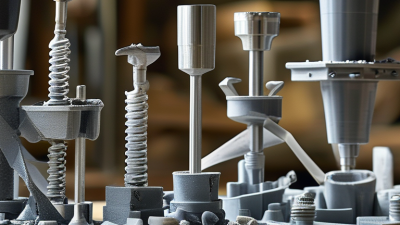
The evaluation considers extrusion stability, output consistency, energy use, automation, material compatibility, and after-sales support. Factory experience also matters. A machine that performs well with polypropylene may behave differently with recycled polymers or high-temperature engineering plastics. Buyers should inspect screw design, barrel construction, control systems, and test-run data before making a decision. Brochures rarely tell the whole story.
Tim A. Osswald, a respected polymer-processing researcher, wrote, “Polymer processing is the conversion of polymers into useful products.” That idea remains central to Extrusion Equipment selection. The best supplier is not always the largest company. It may be the manufacturer that understands your resin, product dimensions, production speed, and maintenance limits.
This ranking is useful, but it is not permanent. Supplier capabilities change. Export service can vary by region. Some smaller factories may offer excellent engineering, yet provide less transparent documentation. That weakness deserves attention. We therefore compare public information, technical offerings, customer-facing evidence, and industry experience. Where evidence is incomplete, the article says so. The final choice should still include an independent factory audit, sample production, and a clear service agreement. Reliable Extrusion Equipment should reduce production risk, not merely create an impressive specification sheet.
China’s Extrusion Equipment Industry: Scope, History, and Market Role
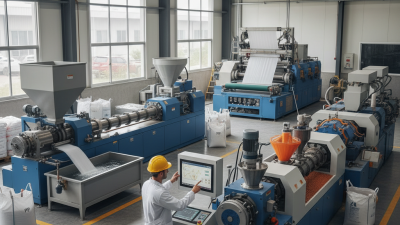
China’s extrusion equipment industry grew from small domestic workshops into a broad manufacturing ecosystem. Its development accelerated after the 1980s, when demand increased for pipes, films, profiles, cables, and packaging materials. Today, equipment ranges from single-screw and twin-screw extruders to complete pelletizing and sheet-forming lines. The machines are visible on many factory floors.
The market’s importance follows China’s large plastics-processing base. The National Bureau of Statistics reported approximately 74.9 million tonnes of plastic products output in 2023. That volume supports sustained demand for stable, energy-efficient extrusion systems. A 2024 Grand View Research report estimated the global plastic extrusion machinery market at several billion U.S. dollars, with continued growth expected through 2030. China remains central to both supply and consumption, although regional figures vary between reports.
Quality is not measured by output alone. Screw design, melt-temperature control, filtration, and after-sales engineering strongly affect production results. In practice, a small temperature deviation can create visible thickness variation in film or pipe. Rankings of the top ten manufacturers therefore remain imperfect. Public data often mixes machinery sales, complete-line contracts, and component revenue. Buyers should compare verified capacity, testing records, energy use, and export compliance instead of relying only on market size claims.
Key Types of Extrusion Equipment Manufactured in China
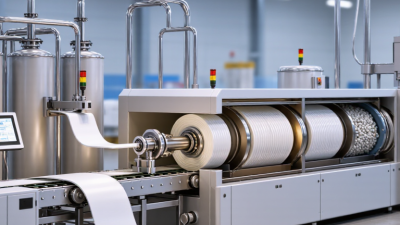
China’s extrusion equipment sector covers several machine families, each suited to a different production task. Single-screw extruders commonly process pipes, profiles, sheets, and films. Twin-screw models offer stronger mixing for compounds, masterbatch, and recycled materials. Sheet and film lines add chill rolls, winding units, and precise thickness control. Pipe and profile systems require calibrated vacuum tanks, haul-offs, and cutting equipment.
PlasticsEurope’s Plastics—The Fast Facts 2024 reports global plastics production reached 413.8 million tonnes in 2023. This volume supports steady demand for efficient extrusion lines. Mordor Intelligence’s 2024 market assessment values the plastic extrusion machine market at roughly US$7 billion. Chinese manufacturers increasingly supply complete lines, including pelletizing, recycling, and downstream automation. However, equipment quality can vary between similar-looking machines. A polished brochure proves little. Testing matters.
Tips: Check screw design, output stability, energy use, and spare-part availability. Request a trial with your actual resin and additives. Inspect the melt pressure, sheet thickness, and pellet shape. Ask for production records, not only theoretical capacity. One practical weakness is often overlooked: operators may need extra training after installation. A reliable supplier should provide clear manuals, remote support, and on-site commissioning. Cite report editions and measurement dates when comparing quotations.
Evaluation Criteria for China’s Leading Extrusion Equipment Manufacturers
Evaluation Criteria for China’s Leading Extrusion Equipment Manufacturers
Selecting a leading extrusion equipment manufacturer requires more than comparing catalog prices. Evaluate engineering experience, production capacity, and documented project results. A reliable supplier should explain screw design, barrel materials, temperature control, and expected output clearly. Ask for test data using your actual polymer, additives, and target dimensions. Factory visits can reveal assembly quality, machining accuracy, wiring standards, and cleanliness. These details often matter more than polished sales presentations.
Tips: Request a complete technical proposal. Check energy consumption, spare-part availability, installation support, and operator training. Review references from similar applications, not unrelated industries. Confirm inspection procedures, warranty terms, and response times in writing. Video testing helps, but an on-site trial remains stronger evidence.
A useful scorecard can assign weights to product stability, customization, delivery control, service, and total ownership cost. Look for traceable quality records and measurable acceptance criteria. Independent certification may support credibility, but it does not replace practical testing. No scorecard is perfect. My assessment could still overvalue visible workmanship and underestimate long-term service quality. Therefore, speak with users after several production seasons. Ask about downtime, maintenance frequency, actual throughput, and unresolved issues. The best evaluation combines technical evidence, factory observations, and cautious feedback from experienced operators.
China’s Top 10 Extrusion Equipment Manufacturers
China’s Top 10 Extrusion Equipment Manufacturers should be assessed through performance, service, and application knowledge, not factory size alone. The strongest candidates usually support film, pipe, sheet, profile, or recycling lines with documented output data. Buyers should check melt pressure stability, automatic gauge control, screw design, and energy use during a real production trial. A polished brochure is not enough.
Market Growth and Regional Strength
Grand View Research estimates the global plastic extrusion machine market reached about USD 7.33 billion in 2023, with a projected 4.2% CAGR from 2024 to 2030. This growth reflects demand for packaging, construction materials, medical products, and recycled polymers. The report also indicates that Asia-Pacific remains a major production region. That matters. China’s leading manufacturers compete through shorter delivery cycles, broad customization, and increasingly capable control systems.
How to Evaluate Suppliers
A practical top-ten review should compare installation records, spare-parts response, operator training, and verified line efficiency. Research and Markets also identifies automation, energy reduction, and recycling applications as important machinery trends. During site visits, inspect barrel wear, cooling layouts, feeder accuracy, and noise levels. Small details matter. I would not rank suppliers by price alone, because low initial cost can hide unstable output or difficult maintenance. A ranking is never perfectly neutral. Material type, factory scale, and local service can change the result. Some manufacturers still need stronger public testing data, and that weakness deserves attention.
Applications, Technologies, and Export Markets of Chinese Extruders
China’s extrusion equipment sector serves pipes, profiles, films, sheets, cables, and recycled compounds. Grand View Research estimated the global plastic extrusion machine market at over US$8 billion in 2023. Demand is strongest where manufacturers need stable output, lower scrap, and flexible production lines.
Chinese extruders increasingly use twin-screw compounding, gravimetric feeding, co-extrusion, vacuum calibration, and servo-controlled drives. These technologies improve melt uniformity and reduce energy loss. Inline thickness gauges also help operators correct defects before long production runs become wasteful. In practice, calibration quality still depends heavily on cooling design and operator experience. The machine is not the whole process.
Export activity is broad. ITC Trade Map data for HS 8477, which includes plastics and rubber processing machinery, places China among the leading global exporters, with exports exceeding US$3 billion in 2023. Southeast Asia, the Middle East, Africa, Europe, and Latin America remain important destinations. Buyers often request regional electrical standards, multilingual controls, remote diagnostics, and local spare-part support. After-sales service can decide a contract. Some export statistics are imperfect because HS 8477 combines extruders with other equipment, so direct comparisons require caution.