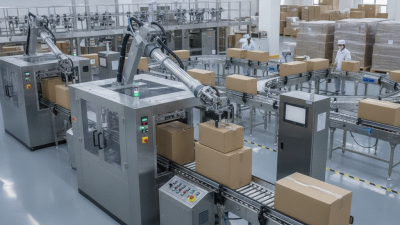
Top 10 Automatic Case Packers for Efficient Packaging Solutions?
The demand for efficient packaging solutions has surged in recent years. According to a report by Smithers Pira, the global automatic case packer market is expected to grow by 4.3% annually, reaching $5.8 billion by 2025. This growth highlights the essential role of Automatic Case Packers in modern manufacturing and distribution processes.
Industry expert Dr. Jane Holloway states, "Companies investing in Automatic Case Packers see significant improvements in productivity and cost savings." As organizations look to streamline operations, the ability of Automatic Case Packers to reduce labor costs while increasing packing speed becomes invaluable.
However, it's important to critically evaluate the implementation of these systems. Not all Automatic Case Packers are created equal. Some may not adapt well to specific product types or packaging materials. As the industry evolves, businesses must identify the right solutions for their unique needs. Balancing efficiency and flexibility remains a challenge that warrants careful consideration.
Overview of Automatic Case Packers and Their Importance
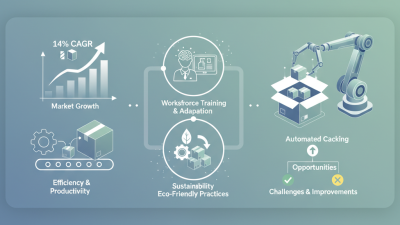
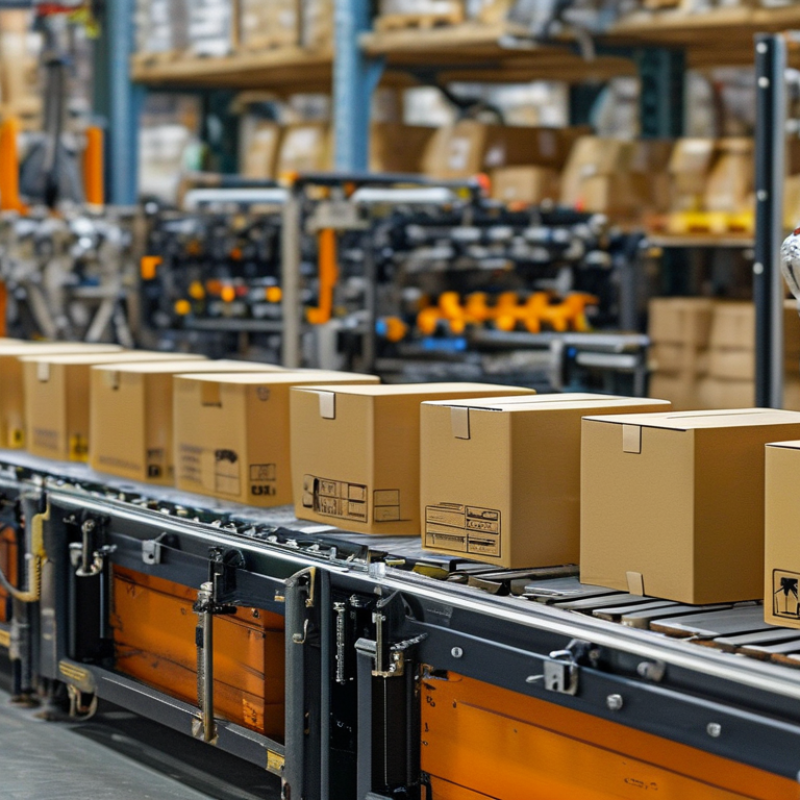
Automatic case packers play a crucial role in modern packaging solutions. They enhance efficiency and productivity in various industries. These machines streamline the packaging process, reducing manual labor while ensuring consistency and accuracy. In fast-paced markets, the importance of reliable equipment cannot be overstated. Choosing the right case packer can significantly impact operational efficiency.
To maximize efficiency, ensure regular maintenance of the machinery. Even small glitches can lead to significant downtime. Observing the machine's operation can provide insights into necessary adjustments. It’s important to train staff on the machine's features. Well-trained personnel can easily troubleshoot minor issues without external help.
Another consideration is the flexibility of the case packer. Ensure it can handle various pack sizes and types. This adaptability is key in meeting changing consumer demands. Packaging trends can shift rapidly, and the ability to pivot can save costs and time. Evaluate performance metrics regularly. This reflection helps identify areas for improvement.
Key Features to Consider When Selecting Automatic Case Packers
When selecting an automatic case packer, key features can significantly impact efficiency. One important aspect is the machine's speed. A high-speed packer can handle large volumes, enhancing productivity. However, faster machines may require more maintenance. Balancing speed and reliability is crucial for long-term performance.
Another consideration is flexibility in packaging formats. Some packers can accommodate various case sizes and styles. This adaptability can prevent bottlenecks during production. Yet, it may add complexity to the setup process. Operators should be trained adequately to manage these systems effectively.
Additionally, ease of operation and maintenance cannot be overlooked. User-friendly controls help minimize errors and downtime. However, some advanced features may complicate training for new staff. Assessing both the technical sophistication and operator comfort is important. Manufacturers often struggle to find the right balance between automation and user input.
Top 10 Automatic Case Packers for Efficient Packaging Solutions
Top 10 Automatic Case Packers: A Comparative Analysis
Automatic case packers are vital in modern manufacturing and packaging. They enhance efficiency, reduce labor costs, and ensure consistent product handling. According to a recent report by PMMI, the packaging machinery market is expected to grow by 4.2% annually, driven by demand for automation in various industries. This growth highlights the importance of investing in advanced packing technology.
When selecting an automatic case packer, consider factors like speed, versatility, and ease of integration. Different models cater to various product types, from fragile items to bulk goods. A study from Grand View Research indicates that the need for cost-effective, reliable solutions is pushing manufacturers toward automated systems. Many facilities, however, struggle with the upfront costs and technical integration involved.
While automation offers many benefits, not all solutions are perfect. Issues such as machine downtime and maintenance can affect productivity. Evaluating your operational needs will help in choosing the right equipment. Seeking expert opinions and market data can provide insights into the most suitable options available. Regular assessments of packing performance can also identify areas for improvement.
Industry Applications: Where Automatic Case Packers Excel
Automatic case packers are transforming industries with their efficiency and precision. They excel in various applications, from food and beverage to pharmaceuticals. With their ability to quickly package products into boxes, they significantly reduce labor costs. In the food industry, for instance, case packers improve hygiene standards by minimizing human interaction.
In pharmaceuticals, these machines ensure that products are securely packed with accurate labeling. This helps maintain regulatory compliance, which is critical in such a sensitive field. Moreover, manufacturers face challenges when integrating these machines into existing systems. Understanding your specific needs is essential. Assessing line speed, product dimensions, and packaging materials can significantly impact efficiency.
Consider the space in your facility. Evaluate whether your workflow allows for smooth machine operation. Sometimes, adjustments in layout are necessary to accommodate equipment. Training staff on new machinery remains a crucial area for improvement. Regular feedback from operators ensures that the machines run smoothly and highlights areas for further optimization. These insights often lead to innovative solutions that enhance productivity over time.
Top 10 Automatic Case Packers for Efficient Packaging Solutions
| Model |
Speed (cases/min) |
Type |
Applications |
Footprint (L x W x H in cm) |
| Model A |
30 |
Robotic |
Food, Beverage |
250 x 200 x 180 |
| Model B |
25 |
Standard |
Consumer Goods |
240 x 190 x 170 |
| Model C |
35 |
Hybrid |
Pharmaceutical |
260 x 210 x 190 |
| Model D |
20 |
Automatic |
Chemical |
230 x 180 x 160 |
| Model E |
40 |
Robotic |
Beverage |
270 x 220 x 200 |
| Model F |
28 |
Standard |
Food |
240 x 200 x 180 |
| Model G |
22 |
Automatic |
Consumer Goods |
250 x 210 x 170 |
| Model H |
32 |
Hybrid |
Pharmaceutical |
260 x 220 x 190 |
| Model I |
26 |
Robotic |
Chemical |
240 x 195 x 175 |
| Model J |
24 |
Standard |
Beverage |
220 x 180 x 160 |
Future Trends in Automatic Case Packing Technologies
The future of automatic case packing technologies is shaping up to be more efficient and adaptive. As industries evolve, packaging systems must keep pace with growing demands. Machine learning and AI are becoming integral to enhancing operational efficiency. These technologies enable real-time adjustments based on production data, improving overall effectiveness.
New designs focus on reducing waste and increasing speed. Ergonomic considerations also play a crucial role. This focus on worker comfort can lead to increased productivity. Integrating systems that can adapt to various product shapes is becoming essential. Flexibility in case packing helps manufacturers meet diverse consumer needs.
Consider the layout of your packaging line. An optimized design can significantly enhance workflow efficiency. Also, ensure regular maintenance on packing machines. This can prevent costly downtime. Training staff on new technological implementations increases productivity. Keeping abreast of emerging trends will aid in making informed decisions about future investments.