2026 Best Mixing Equipment for Global Buyers Seeking Quality?
In the dynamic sector of Mixing Equipment, quality is paramount for global buyers. Industry expert Dr. Emily Carter states, "The right mixing technology can transform production efficiency." Her insights reflect the need for reliable equipment that meets diverse industrial demands.
Selecting the best mixing equipment is not a straightforward task. It requires understanding specific applications and the materials involved. Buyers must consider the equipment's durability, versatility, and operational efficiency. Poor choices can lead to operational setbacks and increased costs.
While many companies claim to provide top-notch mixing solutions, the reality often differs. This inconsistency emphasizes the importance of thorough research and expert recommendations. Quality mixing equipment is vital, yet it’s essential to reflect on past mistakes and seek continuous improvement in procurement strategies.
Overview of Mixing Equipment Types and Their Applications
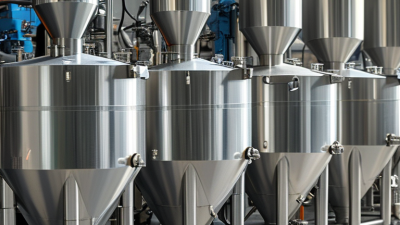
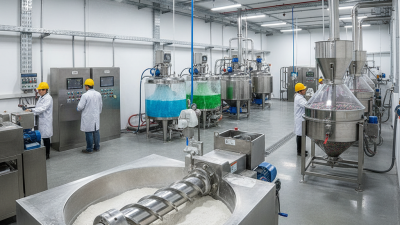
Mixing equipment plays a crucial role in various industries. These machines are designed to blend different substances efficiently. Understanding the types of mixing equipment can help buyers make informed decisions. Common types include mixers, agitators, and blenders. Each has unique features tailored for specific applications.
Mixers are great for liquids and powders. They ensure a uniform consistency in products like paints or food ingredients. Agitators work well for thicker materials. They use blades or paddles to stir substances effectively. Blenders are versatile, handling both solid and liquid mixtures. Choosing the right equipment depends on the material being processed.
Quality is vital when selecting mixing equipment. However, not all equipment may perform as expected. Some might struggle with specific viscosities or formulations. Buyers should carefully assess their needs and consider trial runs. This approach helps in recognizing potential issues early. Reliable equipment enhances productivity and minimizes waste, proving essential for successful operations.
Key Features to Consider When Selecting Quality Mixing Equipment
When selecting mixing equipment, key features play a vital role in ensuring quality. First, consider the type of materials you will be mixing. Different equipment suits various materials, such as liquids, powders, or pastes. The viscosity and consistency of your materials will dictate the mixing technology needed. It's essential to choose equipment that matches your unique requirements.
Another critical aspect is the capacity and scalability of the equipment. Ensure it meets your production needs without being excessively large or costly. Pay attention to the energy efficiency of mixing equipment. High energy consumption can lead to increased operational costs. Look for models that offer energy-saving features.
Additionally, ease of cleaning and maintenance should not be overlooked. Complex designs can make maintenance challenging. Choose equipment with accessible components to streamline cleaning procedures. This will enhance operational efficiency and product quality over time. While it’s vital to prioritize these aspects, it's also important to remain adaptable. The ideal equipment may evolve as your needs change. This requires ongoing assessment and reflection on your mixing processes.
2026 Best Mixing Equipment for Global Buyers Seeking Quality?
| Type of Mixing Equipment |
Capacity (Liters) |
Power (kW) |
Key Features |
Price Range (USD) |
| High Shear Mixer |
100 |
15 |
High efficiency, Variable speed control |
$5,000 - $10,000 |
| Ribbon Blender |
500 |
22 |
Versatile applications, Easy discharge |
$3,000 - $15,000 |
| Planetary Mixer |
200 |
7.5 |
Incorporates multiple mixing actions, High precision |
$4,000 - $8,000 |
| Drum Mixer |
250 |
5 |
Compact design, Suitable for various materials |
$2,500 - $5,000 |
| Turbine Mixer |
300 |
10 |
High mixing speed, Excellent for low viscosity |
$6,000 - $12,000 |
Top Mixing Equipment Brands in the Global Market for 2026
The global mixing equipment market is evolving rapidly. As of 2026, industry reports indicate that the demand for high-quality mixing solutions is surging across various sectors. Factors driving this growth include advancements in technology and an increasing need for efficient production processes. In particular, the pharmaceutical and food industries are prioritizing precision in mixing to ensure product consistency.
Key brands in the market emphasize reliability and innovation in their equipment designs. According to a recent market analysis, the worldwide demand for mixing equipment is expected to witness a compound annual growth rate (CAGR) of 5.2% from 2023 to 2026. This growth reflects an ongoing trend towards automation and smart technology integration. However, companies must also navigate challenges like supply chain disruptions and fluctuating material costs, impacting equipment availability and pricing.
Some mixing equipment may not meet the stringent quality expectations universally. Not every solution is tailored for every industry. Buyers are urged to conduct thorough evaluations of equipment specifications before making purchases. Investing in quality materials and reliable vendors can mitigate potential setbacks, ensuring optimal mixing performance in production environments.
Cost-Effectiveness and ROI of Investing in High-Quality Mixing Equipment
Investing in high-quality mixing equipment can significantly improve your operational efficiency. Studies suggest that businesses can achieve a 20% increase in productivity when utilizing top-grade equipment. This investment can lead to substantial cost savings in the long run. Operating costs often decrease due to reduced downtime and lower maintenance needs. According to a report from the International Mixing Equipment Association, quality equipment can yield a return on investment (ROI) of up to 150% over five years.
When selecting mixing equipment, consider both the upfront costs and the total ownership costs. Higher quality models might seem expensive initially, but they often require less frequent replacements and repairs. This is where cost-effectiveness begins. An investment in durable equipment could mitigate risks associated with production delays, which are common with lower-quality options.
It’s important to evaluate your specific needs carefully. Not all mixing equipment is suitable for every application. Analyze factors like batch size, viscosity, and desired blending results. Sometimes, trying to cut corners can lead to long-term losses. As you weigh your options, think about how the right mixer can enhance overall product quality. Effective blending is critical in many industries, including food and pharmaceuticals, where precision is paramount.
Trends and Innovations in Mixing Technology for Global Buyers in 2026
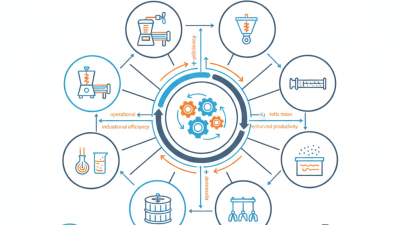
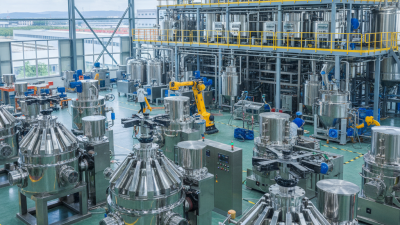
As we look toward 2026, the mixing equipment industry is poised for significant advancements. Current trends indicate a shift towards automation and smart technology. Reports show that over 30% of manufacturers are adopting automated mixing solutions. Effective mixing is crucial for product consistency, and automated systems ensure repeatability. Integrating sensors into equipment provides real-time data, allowing for precise adjustments.
For global buyers, understanding these innovations is vital. A recent industry analysis highlighted that investment in advanced mixing technology could improve efficiency by up to 25%. Buyers should consider equipment that offers user-friendly interfaces and robust analytics. This not only enhances usability but also promotes better decision-making processes.
Mixing technologies are evolving, but challenges remain. Some equipment may not meet specific needs, impacting production efficiency. Therefore, buyers must critically assess their requirements before purchasing. Efficiency and quality should never be compromised. Keeping abreast of innovations will help buyers make informed choices that align with industry standards and future trends.