10 Essential Tips for Choosing the Right Mixing Equipment?
Choosing the right mixing equipment is crucial for achieving optimal results in various industries. The right equipment ensures proper blending, consistency, and quality of the final product. Selecting the most suitable mixer can greatly impact production efficiency and costs.
When evaluating mixing equipment, consider the specific needs of your application. Are you blending solids, liquids, or both? Each type may require different equipment. Factors like the scale of production, batch size, and desired viscosity are vital for making an informed choice.
Keep in mind that not all mixing equipment is created equal. Some machines may perform well in specific tasks but fall short in others. It's important to weigh the pros and cons of each option. Investing time into research can prevent costly mistakes in the long run. Reflecting on past experiences with equipment choices can also bring valuable insights for your current needs.
Understanding Different Types of Mixing Equipment Available in the Market
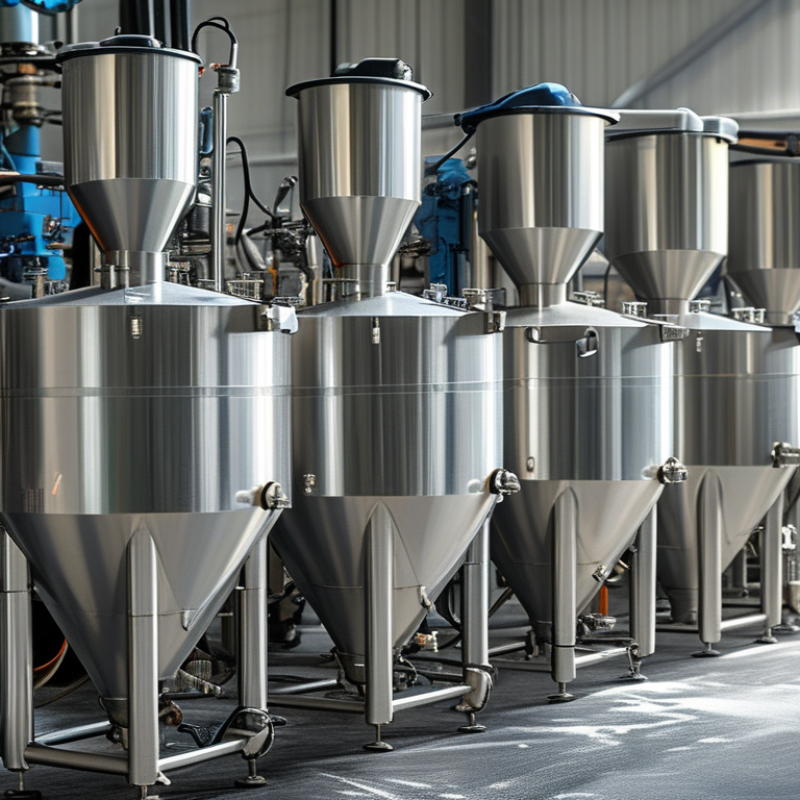
When selecting mixing equipment, understanding the different types available is crucial. There are various kinds, including paddle mixers, ribbon blenders, and drum mixers. Each type serves unique purposes and offers distinct advantages. Paddle mixers are suitable for viscous materials, while ribbon blenders are ideal for dry powder mixing. Drum mixers excel in uniformity but may lack speed.
Consideration of your specific needs is vital. Not every mixer fits all applications. For instance, if you're mixing heavy pastes, a heavy-duty paddle mixer may be necessary. Smaller operations may benefit from portable mixers due to their flexibility. Reflecting on the scale of production and the required mixing speed can lead to better decisions.
Moreover, it's essential to evaluate the equipment's compatibility with your materials. Some mixers can handle abrasive substances, while others cannot. Regular maintenance is also key for optimal performance. Overlooking this can lead to breakdowns and costly repairs. Ultimately, ensure you have a thorough understanding before making your choice. This knowledge increases reliability in your mixing processes.
10 Essential Tips for Choosing the Right Mixing Equipment
| Mixing Equipment Type |
Best For |
Capacity |
Speed Range (RPM) |
Key Features |
| Planetary Mixer |
Baking & Pastry |
5 to 40 quarts |
60 - 200 |
Versatile mixing action, dough hook |
| Batch Mixer |
Powder Blending |
100 to 1000 liters |
30 - 150 |
Effective for bulk materials, easy clean |
| High-Shear Mixer |
Emulsions & Homogenization |
5 to 500 liters |
500 - 6000 |
Intense mixing action, ideal for creams |
| Ribbon Blender |
Dry Material Mixing |
100 to 4000 liters |
10 - 30 |
Gentle mixing, high efficiency, low cost |
| Drum Mixer |
Liquid & Powder Mixing |
50 to 500 liters |
40 - 100 |
Continuous blending, compatible with different materials |
Evaluating the Scale of Production to Determine Equipment Size
Choosing the right mixing equipment hinges significantly on your production scale. Evaluating the scale of production will guide you to select the appropriate equipment size. Small-scale operations might only require tabletop mixers. In contrast, larger production facilities may need high-capacity industrial mixers. Understanding your output needs is crucial.
Consider your average batch size and frequency. A shop producing small batches might benefit from versatile, smaller machines. Those with larger output requirements may need custom setups. Think about efficiency and speed too. Time lost in mixing can affect overall productivity. Occasionally, you might underestimate your needs, resulting in inefficient operations.
Analyze your space. Larger equipment needs ample room for operation and maintenance. Overcrowded areas can hinder performance and safety. Assess your workflow to determine the best layout. Don't ignore the possibility of future growth. Your production scale may shift, and that can necessitate equipment upgrades down the line. Balancing current needs with potential growth is essential for longevity.
Assessing Material Compatibility for Optimal Mixing Results
When selecting mixing equipment, material compatibility is crucial. Different materials have unique properties that affect mixing performance. For instance, some powders may clump together, while others can easily disperse. Understanding these characteristics helps you choose the right equipment.
Consider the viscosity of the materials involved. A thicker paste requires different mixing equipment than a thin liquid. Equipment with adjustable speeds can accommodate various viscosities. Also, the shape of the mixer blades matters. They must match the material’s flow characteristics for optimal results.
A common mistake is neglecting temperature sensitivity. Some materials react when heated or cooled, affecting the final product. Make sure the mixing environment is controlled to maintain consistent temperatures. It’s also wise to test combinations on a small scale before full production. This way, you can identify potential issues early on. Mixing equipment should promote a smooth workflow and reduce waste. Always consult with experts when in doubt.
Analyzing Energy Consumption and Efficiency of Mixing Equipment
Energy consumption is a crucial factor when selecting mixing equipment. Efficient mixers can significantly reduce operating costs and environmental impact. Analyzing energy usage helps identify potential savings. Look for equipment with variable speed controls. This feature allows adjustments based on specific mixing requirements. The right settings can optimize performance while minimizing energy waste.
Understanding the efficiency of mixing processes is essential. Variables such as mixer design and material density affect energy expenditure. Conducting a thorough assessment of these factors can lead to better choices. Equipment that operates efficiently at different loads will provide better results. Keeping these aspects in mind can improve both productivity and sustainability.
It's easy to focus solely on initial purchase costs. However, the long-term energy expenses are vital. Sometimes, less expensive mixers can lead to higher energy bills. Reflect on the overall lifecycle of your equipment. Choosing the right mixer involves balancing upfront costs with energy efficiency. Consider discussing your specific needs with industry experts for tailored advice.
Considering Maintenance and Support Services When Choosing Equipment
When selecting mixing equipment, considering maintenance and support services is crucial. Reliable maintenance can significantly reduce downtime. A report from the Mixing Equipment Industry Association indicates that equipment with better support services can increase productivity by up to 25%. This highlights the importance of choosing equipment that comes with solid maintenance options.
One essential tip is to assess the availability of spare parts. Limited access to parts can lead to prolonged equipment failure. In contrast, equipment backed by strong service networks reduces repair times. Another critical aspect is to evaluate the manufacturer’s reputation for customer support. Research shows that companies with responsive and knowledgeable support staff see a 30% increase in customer satisfaction.
Regular maintenance schedules matter, too. A study shows that proactive maintenance can extend equipment life by 20%. It allows the equipment to perform at optimal levels. Many users underestimate the need for ongoing service contracts. Investing in a comprehensive service plan may seem costly upfront but can save significant amounts in the long run. Remember, the cost of downtime often outweighs the price of preventive maintenance.
Equipment Maintenance Considerations