Leave Your Message

Why Choose a Belt Sealing Machine for Packaging?

Packaging lines are under pressure to move faster, protect products, and reduce material waste. Smithers’ report, The Future of Global Flexible Packaging to 2028, forecasts continued growth in flexible packaging demand, driven by convenience, e-commerce, and portion-sized products. This growth makes reliable sealing equipment increasingly important. A Belt Sealing Machine can create continuous seals across thermoplastic bags, pouches, and laminated films. It is especially useful where operators need repeatable closure quality without stopping the production line.

The practical advantage is visible on the factory floor. A heated belt carries each filled bag through the sealing zone. The operator can adjust temperature, belt speed, and pressure for different materials. That control helps reduce open seams, wrinkled closures, and avoidable product loss. PMMI industry research also identifies automation, labor efficiency, and flexible packaging formats as major investment priorities for processors and manufacturers. A properly selected Belt Sealing Machine supports these priorities with steady throughput and relatively simple operation.

Still, the choice is not automatic. No machine fixes poor film selection, uneven filling, or weak maintenance routines. Sealing performance can change with humidity, dust, and package thickness. Therefore, buyers should test real products before making a final decision. Check seal strength, line speed, energy use, cleaning access, and spare-parts availability. Independent verification matters. ASTM F88 seal-strength testing and documented production trials can provide more reliable evidence than a sales demonstration alone. The equipment may look straightforward. Its results depend on disciplined setup, operator training, and honest performance data. Industry reports offer useful direction, but each plant still needs practical proof.
Why Choose a Belt Sealing Machine for Packaging?

What Is a Belt Sealing Machine?

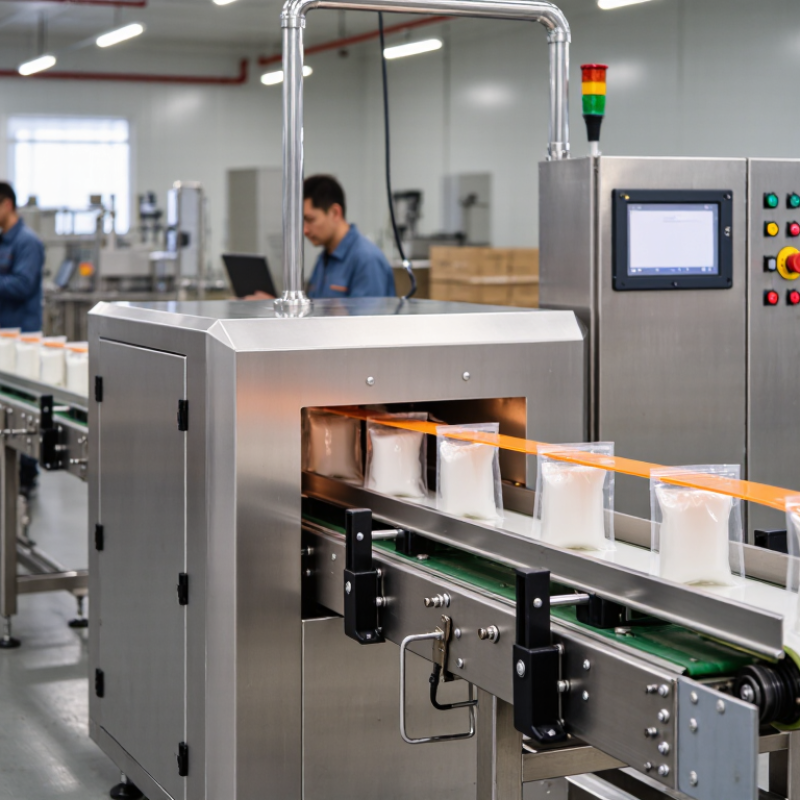
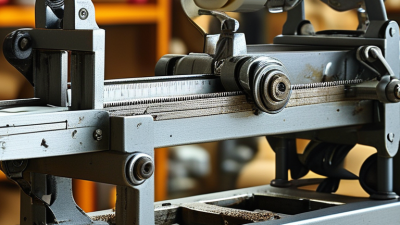
A belt sealing machine is a continuous packaging device that closes thermoplastic bags with steady heat and pressure. The bag passes between heated sealing blocks and moving belts. The belts guide the package while the seal cools and sets. Unlike a hand sealer, it supports repeated packing with less manual effort.

In practical packing rooms, operators use these machines for pouches containing dry food, powders, hardware, and household products. Seal temperature, belt speed, and pressure must match the film type. A weak seal may open during transport. Excessive heat can wrinkle or burn the package. The result depends on setup, not only machine power. That detail is easy to miss.

Tips: Clean the sealing area each shift. Check the seal on several bags, including one made after startup. Record temperature and speed settings for each film. Keep the package opening flat and free from product dust. A belt sealer is useful, but it is not a cure-all. Film quality, operator training, and regular inspection still matter. Testing should come before full production, even when the first seals look acceptable.
Why Choose a Belt Sealing Machine for Packaging?

A belt sealing machine supports continuous packaging by moving bags through a heated sealing zone at a controlled speed. The chart shows the calculated packaging capacity at different belt speeds when bags are positioned at a consistent 250 mm pitch.

Calculation basis: packages per minute = belt speed in metres per minute ÷ 0.25 metres package pitch. Actual output depends on bag size, operator loading, product flow and sealing requirements.

How Does a Belt Sealing Machine Work?

A belt sealing machine creates a continuous seal while the package moves along a conveyor. The operator places the open bag onto the feeding belt. Guides hold its mouth flat and steady. Then, heat softens the inner sealing layer. Two heated belts press the layers together. Pressure matters. Too little pressure leaves channels, while excessive heat can wrinkle thin film. After heating, cooling blocks stabilize the seal before the bag exits. This process supports steady output without stopping for every package.

In practical operation, temperature, belt speed, and pressure must match the packaging material. Polyethylene film may need different settings from laminated pouches. A clean sealing surface also prevents weak spots and dark residue. Operators should inspect seals by touch and by gentle pull testing during setup. A seal can look perfect and still fail internally. That is easy to miss. Dust, uneven filling, or a folded bag opening can interrupt the seal. Regular checks of belts, guides, and temperature sensors improve consistency. However, machine settings should follow measured trials, not guesswork. A useful improvement is recording successful settings for each film type. Even then, humidity and film thickness can change results. The process is reliable, but it is not careless-proof.

Which Packaging Materials Can It Seal?

Why Choose a Belt Sealing Machine for Packaging?

Which Packaging Materials Can It Seal?

A belt sealing machine works best with heat-sealable packaging materials. Common options include polyethylene bags, polypropylene films, and laminated plastic pouches. These materials soften under controlled heat and form a continuous seal as the belt carries the package forward.

It can also seal aluminum-foil laminates when the inner layer contains a compatible heat-sealing film. The foil itself does not melt. The plastic layer creates the bond. Some coated kraft-paper bags may work too, but only when their inner coating is designed for heat sealing. Bare paper usually cannot produce a dependable seal.

Material thickness matters. Thin film may require lower heat and faster belt movement. Thicker laminates often need more heat, pressure, or dwell time. Moisture, powder, and dust around the opening can weaken the joint. Clean the bag mouth before sealing. Small particles can create channels.

A material can look suitable and still fail. That assumption is easy to get wrong. Test samples from the actual production batch before making a setting decision. Check seal strength after cooling, not immediately. Some films appear sealed while warm but open during transport. Settings should be adjusted gradually, because excessive heat can wrinkle film, damage coatings, or distort the package. Different machines also handle thickness and multilayer structures differently, so supplier specifications deserve careful review.

What Benefits Does Belt Sealing Offer?

Belt sealing offers practical advantages for businesses packing pouches, liners, and thermoplastic bags. Unlike intermittent hand sealing, a conveyor belt moves each package through heated sealing wheels at a controlled speed. This supports steadier output and more repeatable seals. Smithers’ report, The Future of Global Flexible Packaging to 2028, forecasts flexible packaging growth of roughly 3% annually. More flexible packs mean greater demand for reliable closure equipment.

On a working line, operators can adjust temperature, belt speed, and pressure for different film structures. A correctly tuned machine reduces wrinkled seals, open corners, and unnecessary rework. It also keeps both hands available for feeding and inspection. That matters during long shifts. PMMI industry research consistently identifies labor availability and automation as major packaging challenges. Belt sealing cannot remove every labor problem, but it can make repetitive work more controlled.

The benefit is not automatic. Poor calibration still causes weak seals or burned film. Moisture, dust, and uneven filling can also reduce performance. I have found that a short test run often reveals more than a specification sheet. Operators should check seal width, cooling time, and drop resistance before full production. Energy use, maintenance access, and noise deserve attention too. A belt sealer may improve throughput, yet it can disappoint when the package material is incompatible or the conveyor is overloaded.

How Should You Choose the Right Machine?

Choosing a belt sealing machine starts with the package, not the machine’s advertised speed. Measure the bag material, opening width, thickness, and product temperature. A thin polyethylene pouch may need gentler heat than a laminated, moisture-resistant bag. Ask whether the seal should be horizontal or vertical. Liquid, powder, and fragile contents behave differently on the conveyor. Test real filled bags.

A suitable machine should hold bags steadily and create an even seal during repeated runs. Check temperature control, belt speed, sealing width, and conveyor load capacity. For dusty work areas, inspect access to heaters, belts, and cleaning points. Tool-free adjustments can reduce downtime, but they may not always remain durable. Review electrical requirements and operator safeguards with a qualified technician. Do not judge performance from an empty pouch.

Record ten consecutive seals and check wrinkles, gaps, and peel strength. Repeat the test after the machine warms up. Ask about spare parts, service response, training, and maintenance intervals. The lowest purchase price can become expensive when belts fail frequently. A common mistake is choosing excessive speed, then accepting uneven seals. Slower can be better. Still, every product needs its own trial, because one setting rarely fits every package.

Why Choose a Belt Sealing Machine for Packaging? - How Should You Choose the Right Machine?

Selection Dimension Recommended Belt Sealing Machine Feature Typical Practical Range or Standard Why It Matters
Packaging Material Constant-heat sealing with adjustable temperature control Often approximately 0–300°C, depending on the machine design Different laminates, polyethylene, polypropylene, and coated films require different heat settings.
Bag Thickness Adjustable sealing temperature, pressure, and conveyor alignment Confirm the machine’s stated film and bag-thickness limits before purchase Thicker or multilayer bags may need more heat and longer dwell time to produce a reliable seal.
Required Throughput Variable conveyor speed with continuous sealing Many tabletop and floor models operate at roughly 8–30 m/min Continuous operation can reduce manual handling and support higher output than intermittent sealing.
Bag Orientation Horizontal or vertical conveyor configuration Horizontal for stable products; vertical for powders, liquids, or free-flowing contents The correct orientation helps prevent product leakage, spillage, and contamination at the seal area.
Seal Width Selectable sealing-band width suited to the bag and application Common continuous-band seal widths are approximately 6–15 mm A suitable seal width improves package integrity without unnecessarily increasing material use.
Product Weight Reinforced conveyor with an appropriate load rating Load capacity varies widely; verify the specified maximum product weight Insufficient conveyor support can cause unstable transport, poor alignment, or premature wear.
Seal Quality Independent controls for temperature, speed, and sealing pressure Use validated settings for each film structure and production condition Balanced settings help avoid weak seals, film distortion, scorching, and incomplete bonding.
Coding and Traceability Optional embossing or compatible date and batch coding system Select a coding method that remains legible on the chosen film Production dates, lot numbers, and expiry information support inventory control and recalls.
Operating Environment Stainless-steel construction or suitable protective design where required Choose construction according to dust, moisture, cleaning, and hygiene conditions The right construction improves durability and simplifies cleaning in demanding production areas.
Energy Consumption Efficient heaters with insulated sealing components and standby control Power requirements commonly range from several hundred watts to over 1 kW Actual consumption depends on heater output, operating temperature, speed, and duty cycle.
Operator Convenience Clear digital controls, quick adjustments, and accessible maintenance points Prioritize simple setup and repeatable parameter storage where available User-friendly controls shorten changeover time and reduce operating errors.
Maintenance Replaceable heating elements, belts, sealing tapes, and bearings Check spare-part availability and recommended inspection intervals Accessible parts and routine cleaning help minimize downtime and maintain consistent seals.
Best Use Case Continuous sealing for frequent production runs and varied bag sizes Suitable for food, chemical, agricultural, retail, and general industrial packaging, subject to compliance requirements A belt sealer is most valuable when speed, repeatability, and flexible bag handling are priorities.
Selection Tip: Before choosing a machine, test the actual bag material, filled product, seal temperature, conveyor speed, and required seal strength under normal production conditions.